
1. Introduction
This manual provides detailed instructions for the safe and effective use of your DYMROGE Wireless Electric Nasal Irrigator. Please read this manual thoroughly before first use and keep it for future reference. This device is designed for nasal irrigation to help clear nasal passages and sinuses.
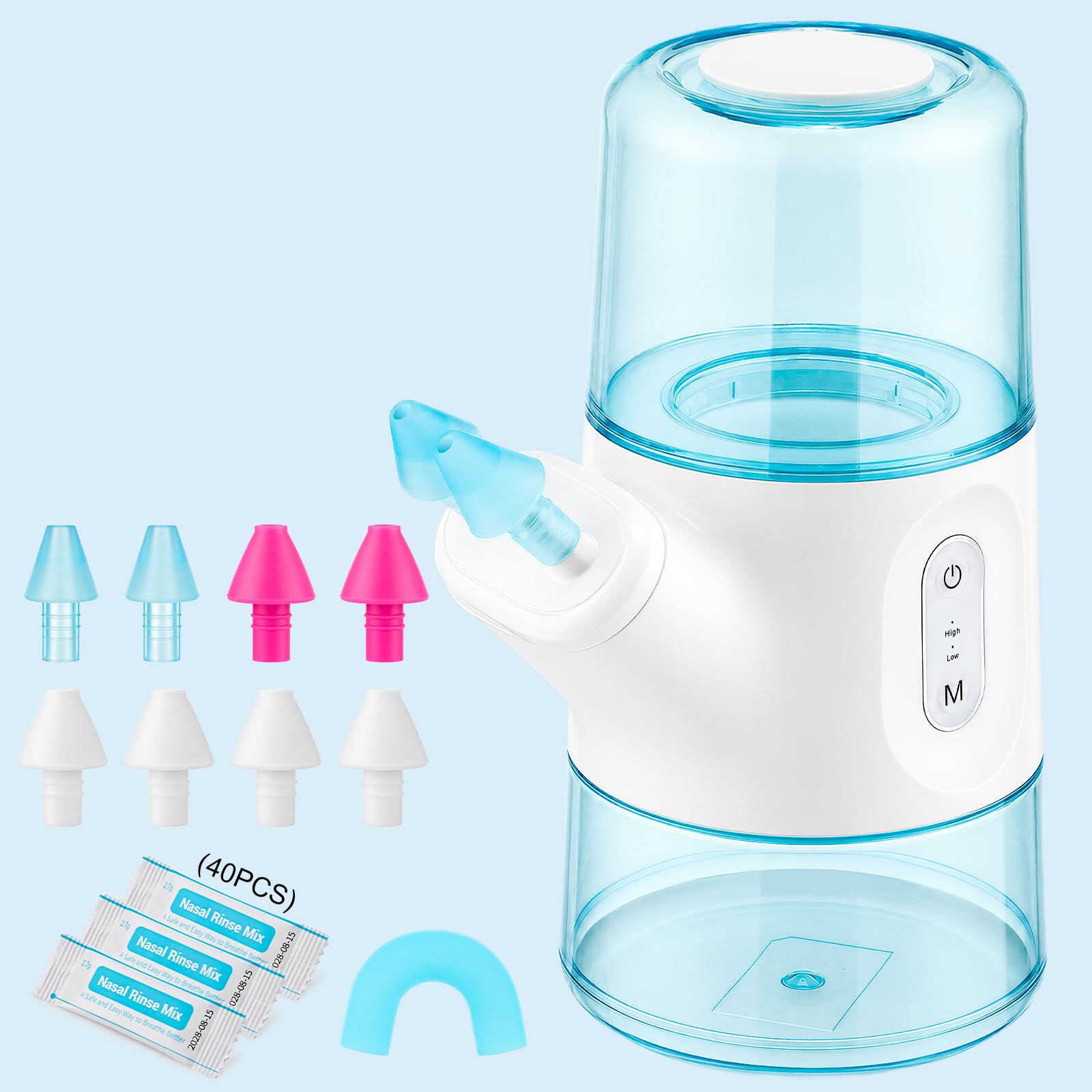
Image 1.1: DYMROGE Wireless Electric Nasal Irrigator, suitable for common nasal discomfort.
2. Safety Information and Warnings
- A slight dizziness after use is normal.
- The nasal irrigator automatically switches off after 2 minutes of operation.
- This device is NOT suitable for complete nasal blockage or severe sinus problems. Consult a medical professional if you have such conditions.
- Children should only use this product under adult supervision.
- Always use lukewarm water and saline solution as directed. Do not use plain tap water without saline.
- Ensure the device is fully charged before use to avoid interruptions.
- Do not immerse the charging port in water.
3. Package Contents
Verify that all items are present in the package:

Image 3.1: Contents included in the DYMROGE Nasal Irrigator package.
- 1 x DYMROGE Wireless Electric Nasal Irrigator
- 8 x Nasal Nozzles (6 for adults, 2 for children)
- 40 x Saline Salt Packets
- 1 x U-tube (for cleaning)
- 1 x USB-C Charging Cable
- 1 x User Manual (this document)
4. Product Overview
The DYMROGE Nasal Irrigator features a unique dual-tank design for hygienic operation and two adjustable flow modes for personalized comfort.
4.1 Key Components

Image 4.1: Compact and Portable Design with key components labeled.
- Clean Water Tank: Holds 300ml of saline solution.
- Waste Water Tank: Collects used solution, preventing backflow.
- Power Button: Turns the device on/off.
- Mode Button (M): Switches between Low and High pressure modes.
- Nasal Nozzle: Detachable and replaceable for hygiene.
- Type-C Charging Port: For recharging the internal 800mAh battery.
4.2 Dual-Tank Design
The innovative dual-tank system keeps clean saline solution separate from collected wastewater. This ensures a hygienic rinse and prevents any backflow of used solution into the clean tank.

Image 4.2: Dual-Tank Design for automatic sewage collection and anti-backflow.
4.3 Rotatable Dock
The nozzle dock can be rotated 360 degrees, allowing for easy switching between rinsing the left and right nostril without repositioning the device.

Image 4.3: 360-degree Rotatable Dock for flexible use.
5. Setup
5.1 Charging the Device
Before first use, fully charge the device using the provided USB-C cable. The charging indicator light will show the charging status. A full charge provides approximately 30 uses.

Image 5.1: USB-C Charging and 800mAh Battery Life.
5.2 Preparing the Saline Solution
- Open the lid of the upper clean water tank.
- Fill the upper tank with 300ml of lukewarm distilled or previously boiled water. The water temperature should be comfortable, neither too hot nor too cold.
- Add one saline salt packet (provided) to the water.
- Stir gently until the salt is fully dissolved.
- Close the lid securely.
5.3 Attaching the Nozzle
Select the appropriate nozzle (adult or child) and firmly attach it to the device's nozzle dock. Ensure it clicks into place.
6. Operating Instructions
Follow these steps for a safe and effective nasal rinse:

Image 6.1: Step-by-step guide for using the nasal irrigator.
- Positioning: Stand over a sink. Tilt your head slightly forward and to one side. Keep your head level, looking straight ahead.
- Insert Nozzle: Gently insert the nozzle into one nostril, ensuring a comfortable seal.
- Breathe: Breathe through your mouth throughout the entire rinsing process. Do not hold your breath or try to breathe through your nose.
- Select Mode: Press the 'M' button to select your desired flow mode (Low or High).
- Start Rinsing: Press the power button to start the irrigation. The solution will flow into one nostril and exit through the other, collecting in the waste water tank.
- Switch Nostrils: Once the clean water tank is empty or you have rinsed one nostril sufficiently, power off the device. Rotate the nozzle dock 180 degrees and repeat the process for the other nostril.
- Clear Nasal Passages: After rinsing, gently blow your nose to clear any remaining liquid. Avoid blowing too hard.
6.1 Flow Modes
The device offers two distinct flow modes to suit different needs:
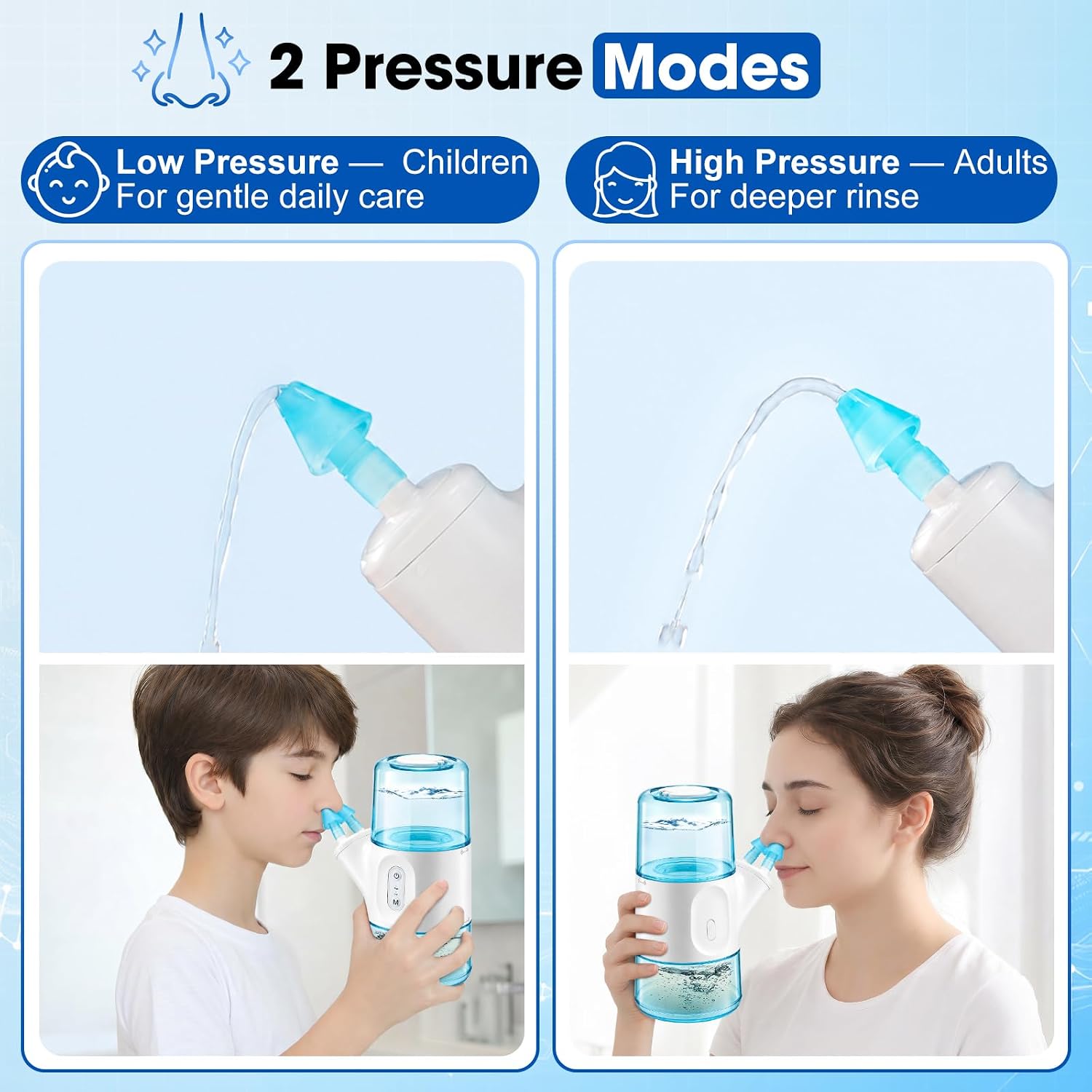
Image 6.2: Two Pressure Modes for varied rinsing needs.
- Low Mode (100±20g/30s): Provides a gentle flow, ideal for children or individuals with sensitive nasal passages.
- High Mode (160±20g/30s): Delivers a stronger flow for a deeper and more thorough cleaning, suitable for adults.
7. Maintenance and Cleaning
Regular cleaning ensures hygiene and extends the life of your nasal irrigator.

Image 7.1: IPX7 Waterproofing for easy cleaning.
- After Each Use: Empty both the clean and waste water tanks. Rinse both tanks and the nozzle thoroughly with clean water.
- Deep Cleaning: For a more thorough cleaning, disassemble the tanks and nozzle. Use the provided U-tube to clean internal pathways if necessary.
- Drying: Allow all components to air dry completely before reassembling or storing the device. This prevents mold and bacterial growth.
- Waterproof Rating: The device has an IPX7 waterproof rating, meaning it can withstand immersion in water up to 1 meter for 30 minutes. However, avoid immersing the charging port.
- Nozzle Replacement: Replace nozzles regularly, especially if used by multiple family members, to maintain hygiene.
8. Troubleshooting
If you encounter any issues with your DYMROGE Nasal Irrigator, please refer to the following common solutions:
- Device not turning on: Ensure the device is fully charged. Connect it to the USB-C charging cable and allow it to charge for at least 2 hours.
- Weak water flow: Check if the clean water tank is sufficiently filled. Ensure the nozzle is securely attached and not clogged. Clean the nozzle and internal pathways if necessary.
- Water leakage: Verify that all tanks and the nozzle are correctly assembled and securely tightened. Ensure the rubber seals are properly seated and free from damage.
- No water coming out: Confirm the clean water tank is filled and the device is powered on. Check for any blockages in the nozzle or internal tubing.
- Uncomfortable sensation during use: Ensure you are using lukewarm water and the correct saline solution concentration. Try switching to the 'Low' pressure mode. If discomfort persists, discontinue use and consult a healthcare professional.
If the problem persists after attempting these solutions, please contact customer support.
9. Specifications
| Feature | Specification |
|---|---|
| Model Number | NW-329 |
| Brand | DYMROGE |
| Battery | 1 Lithium-polymer battery (800mAh, included) |
| Water Tank Capacity | 300ml (Clean Water Tank) |
| Flow Modes | Low (100±20g/30s), High (160±20g/30s) |
| Waterproof Rating | IPX7 |
| Automatic Shut-off | After 2 minutes of operation |
| Package Dimensions | 20.6 x 16.1 x 10.2 cm |
| Package Weight | 650 g |
| Country of Origin | China |
| Color | Blue |
10. Warranty and Support
Your DYMROGE Wireless Electric Nasal Irrigator is covered by a standard manufacturer's warranty. Please refer to the product packaging or the retailer's website for specific warranty terms and conditions.
For technical support, troubleshooting assistance, or inquiries regarding replacement parts, please contact DYMROGE customer service through the retailer where you purchased the product or visit the official DYMROGE website.