
1. Important Safety Information
Read and understand all safety warnings and instructions before assembling, operating, or maintaining this engine hoist. Failure to follow these instructions may result in serious injury or property damage. Keep this manual for future reference.
- Always wear appropriate personal protective equipment (PPE), including safety glasses, gloves, and steel-toed boots.
- Do not exceed the rated lifting capacity of 2 tons (4400 lbs). Refer to the load chart on the boom for specific capacities at different extensions.
- Ensure the hoist is on a flat, level, and stable surface capable of supporting the hoist and the load.
- Never work under a suspended load. Use appropriate stands or supports once the load is in position.
- Inspect the hoist before each use for any signs of damage, wear, or leaks. Do not use if damaged.
- Keep hands and feet clear of moving parts and pinch points during operation.
- Ensure the load is properly balanced and secured to the hook before lifting.
- Operate the hydraulic pump smoothly and deliberately. Avoid sudden movements.
- Keep children and unauthorized personnel away from the work area.
2. Product Overview
The SierraSquad 2 Ton Folding Hydraulic Engine Hoist is a heavy-duty lifting solution designed for garages, workshops, and factories. It features a robust steel construction and a powerful hydraulic system for efficient and safe lifting of engines, transmissions, and other heavy components.
- Heavy-Duty 2 Ton Lifting Capacity: Equipped with an 8-ton hydraulic pump and four adjustable load arms (0.5T, 1T, 1.5T, 2T) for precise lifting.
- Durable Construction: Crafted from high-strength carbon steel with an anti-rust coating for longevity and corrosion resistance.
- Smooth Mobility: Features six 360-degree rotating casters for easy maneuverability.
- Convenient Folding Design: Allows for compact storage in tight spaces.
- Robust Stability: Reinforced trapezoidal base and solid joint construction ensure stability during operation.

Figure 2.1: The engine hoist demonstrating its convenient foldable design for storage and its operational dimensions.
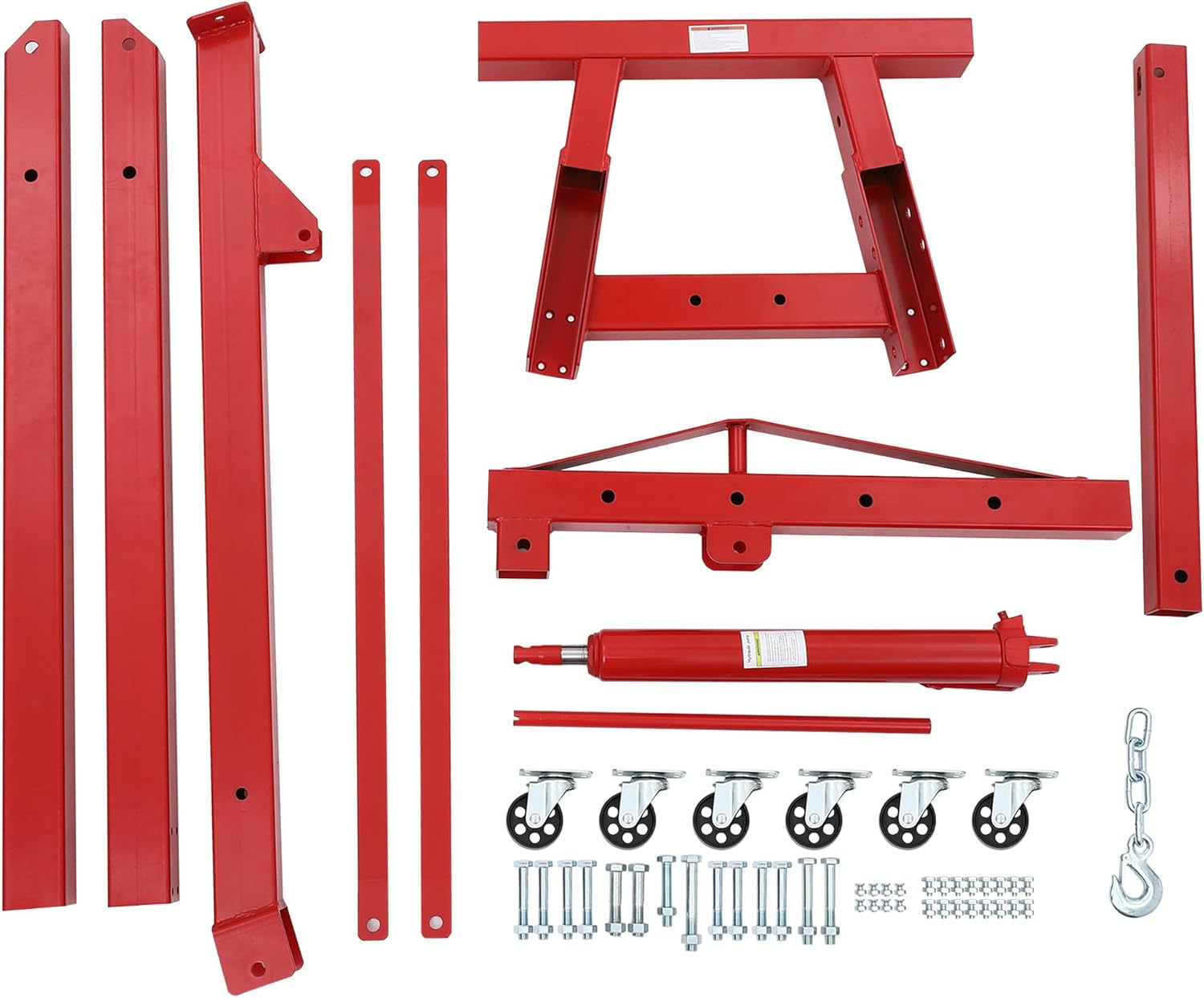
Figure 2.2: The engine hoist in various operational and storage environments, showcasing its versatility for different tasks.
3. Package Contents
Carefully unpack all components and inspect for any shipping damage. If any parts are missing or damaged, contact customer support immediately.
- Engine Hoist (disassembled components)

Figure 3.1: All components included in the package, laid out for inspection prior to assembly.
4. Setup and Assembly
Assembly requires basic mechanical aptitude and tools (not included). It is recommended to have at least two people for safe assembly due to the weight of some components.
- Attach the Base Legs: Secure the two main base legs to the central support frame using the provided bolts, washers, and nuts. Ensure all connections are tight.
- Install the Casters: Mount the six 360-degree swivel casters to the underside of the base legs. Ensure they are securely fastened for smooth mobility.
- Assemble the Upright Support: Connect the upright support column to the central frame.
- Mount the Hydraulic Cylinder: Attach the hydraulic cylinder to its designated mounting points on the upright support and the boom arm.
- Attach the Boom Arm: Secure the telescopic boom arm to the top of the upright support. Ensure the pivot points are correctly aligned and secured with pins and clips.
- Install the Lifting Chain and Hook: Attach the heavy-duty chain and hook to the end of the boom arm.
- Final Inspection: Double-check all bolts, nuts, and pins to ensure they are securely tightened before first use. Test the hydraulic pump by extending and retracting the boom without a load.
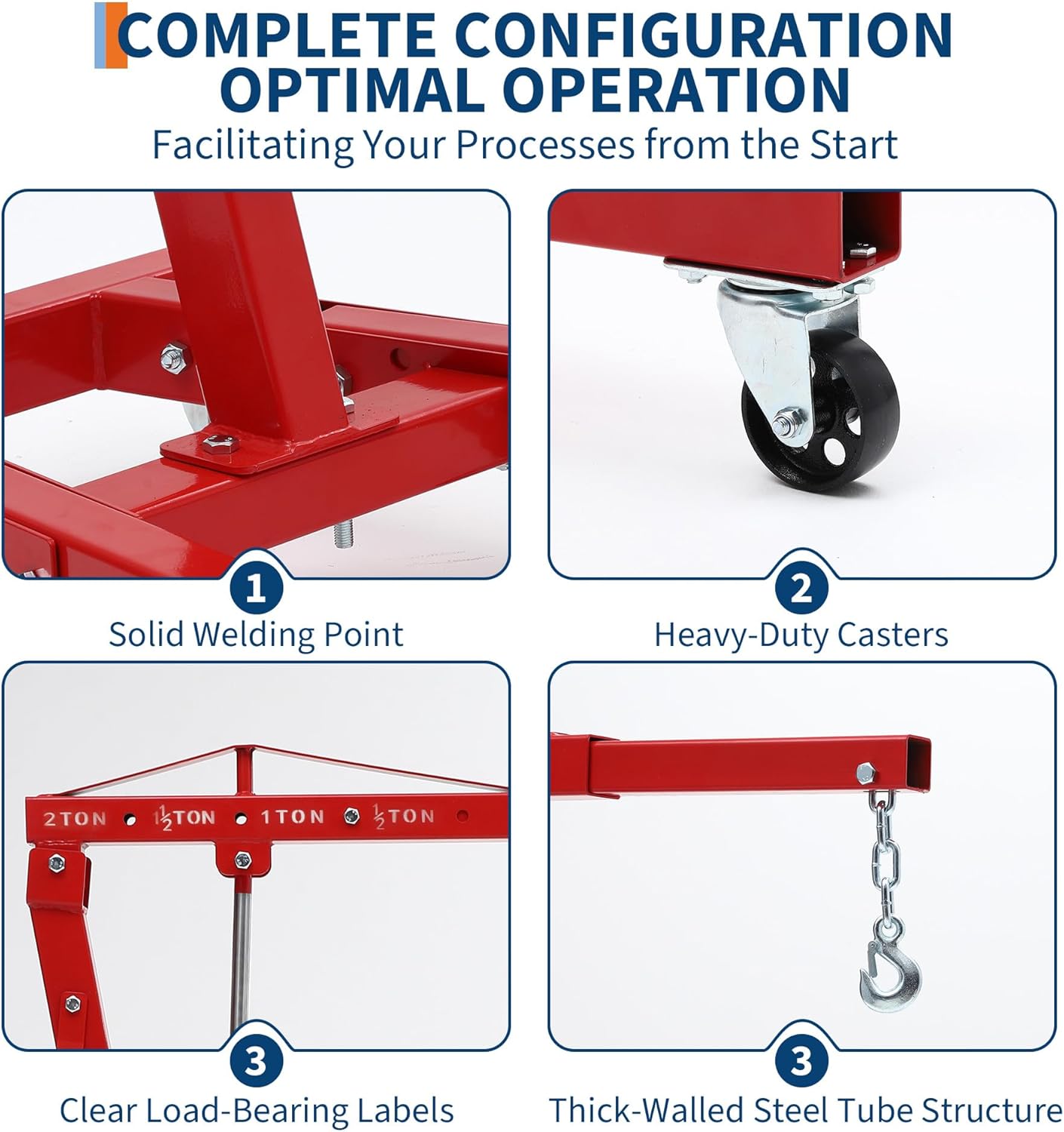
Figure 4.1: Key structural components and quality features, including solid welding points and heavy-duty casters, important for assembly and safe operation.
5. Operating Instructions
Follow these steps for safe and effective operation of your hydraulic engine hoist.
- Preparation: Position the hoist on a firm, level surface. Ensure the area around the hoist and the load is clear of obstructions.
- Adjusting the Boom: The boom arm is telescopic and can be adjusted to different lengths, which affects the lifting capacity. Select the appropriate boom extension based on the weight of your load. Refer to the load capacity markings on the boom.
- Connecting the Load: Securely attach the lifting chain and hook to the engine or component you intend to lift. Ensure the load is balanced and the attachment points are strong enough to support the weight.
- Lifting the Load: Close the release valve on the hydraulic pump by turning it clockwise. Insert the pump handle into the pump socket and begin pumping to slowly raise the boom and lift the load. Lift only as high as necessary.
- Maneuvering the Load: With the load slightly elevated, carefully push or pull the hoist to move the load to the desired position. The 360-degree swivel casters allow for easy movement.
- Lowering the Load: To lower the load, slowly turn the release valve counter-clockwise. Control the descent rate by adjusting how much you open the valve. Lower the load gently onto a stable surface or engine stand.
- After Use: Once the load is safely supported or removed, fully retract the hydraulic cylinder and fold the hoist for storage if desired.

Figure 5.1: The adjustable boom arm, showing its variable reach and height capabilities.

Figure 5.2: The hoist lifting an engine, demonstrating its 2-ton safe working load capacity.
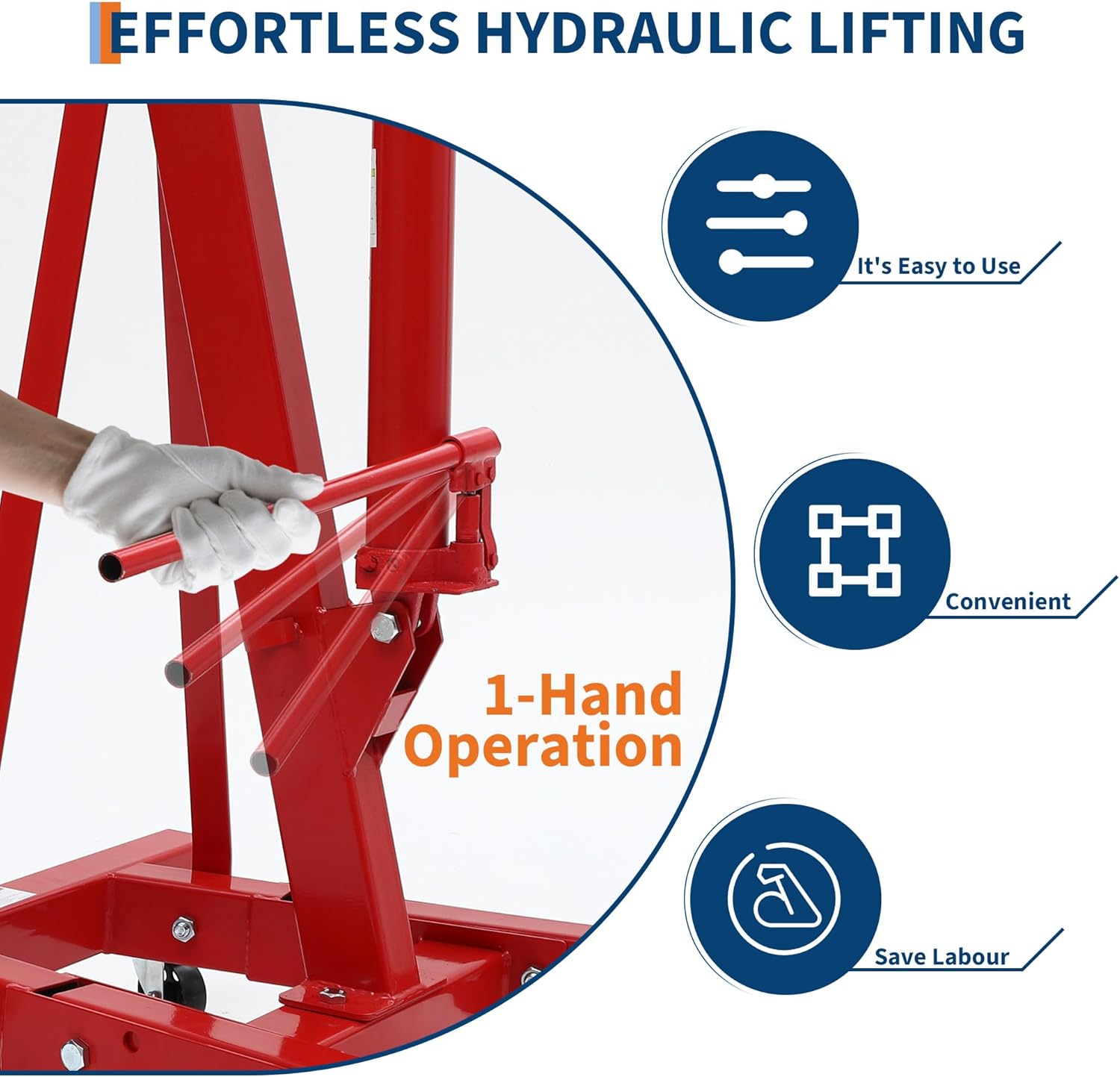
Figure 5.3: Illustration of the hydraulic pump operation, highlighting its ease of use.

Figure 5.4: The engine hoist in use, demonstrating its application in a professional garage setting.
6. Maintenance
Regular maintenance ensures the longevity and safe operation of your engine hoist.
- Cleanliness: Keep the hoist clean and free of dirt, grease, and debris. Wipe down surfaces with a clean cloth.
- Lubrication: Periodically lubricate all pivot points and moving parts with general-purpose grease.
- Hydraulic Fluid: Check the hydraulic fluid level regularly. If low, refill with a high-quality hydraulic jack oil. Do not use brake fluid or other non-specified fluids.
- Inspection: Before each use, inspect the hoist for:
- Cracks or damage to the frame or boom.
- Loose or missing fasteners.
- Wear or damage to the casters.
- Leaks from the hydraulic cylinder.
- Damage to the lifting chain or hook.
- Storage: When not in use, store the hoist in a dry, protected area. Fully retract the hydraulic cylinder to prevent corrosion and extend seal life.
7. Troubleshooting
Refer to the following common issues and their solutions:
| Problem | Possible Cause | Solution |
|---|---|---|
| Hoist does not lift or lifts slowly. | Release valve is open. Low hydraulic fluid. Air in hydraulic system. Overload. | Close release valve. Check and refill hydraulic fluid. Bleed air from system (refer to hydraulic cylinder manual). Do not exceed capacity. |
| Hoist lowers under load. | Release valve not fully closed. Internal hydraulic leak. | Ensure release valve is fully closed. Contact qualified service personnel for internal leaks. |
| Oil leakage from cylinder. | Damaged seals. Loose fittings. | Tighten fittings. If seals are damaged, contact qualified service personnel for repair. |
| Casters do not roll smoothly. | Dirt/debris in casters. Damaged casters. | Clean casters. Replace damaged casters. |
8. Specifications
- Model: 3B-HUWO-9F60-1RKWCNNDY
- Brand: SierraSquad
- Lifting Capacity: 2 Ton (4400 lbs)
- Adjustable Load Arms: 0.5T, 1T, 1.5T, 2T
- Boom Reach: 24 - 48 inches (approx.)
- Lifting Height: 40 - 72 inches (approx.)
- Item Weight: 92.6 pounds
- Product Dimensions (Folded): 51.97 x 9.65 x 7.28 inches (approx.)
- Material: High-strength Carbon Steel with Anti-rust Coating
- Casters: 6 x 360-degree Swivel Casters
9. Warranty and Support
For warranty information, technical support, or to order replacement parts, please contact SierraSquad customer service. Keep your purchase receipt and model number handy when contacting support.
Contact information can typically be found on the product packaging or the manufacturer's official website.