
VEVOR PRS-XCG713
VEVOR Deionized Water System User Manual
Model: PRS-XCG713
1. Introduction
This manual provides essential instructions for the safe and efficient use of your VEVOR Deionized Water System. Please read it thoroughly before installation and operation, and retain it for future reference.
The VEVOR Deionized Water System is designed to provide spot-free water for various applications, primarily car washing, by removing dissolved minerals and ions from tap water. This process results in a clean, streak-free finish without the need for towel drying.
2. What's in the Box
Verify that all components are present before proceeding with installation.
- 1 x Water Deionizer Unit
- 1 x Set of Assembly Accessories (various connectors)
- 1 x Carry Handle
- 1 x Protective Sleeve
- 1 x TDS Meter
- 1 x Thread Seal Tape
- 1 x User Manual (this document)
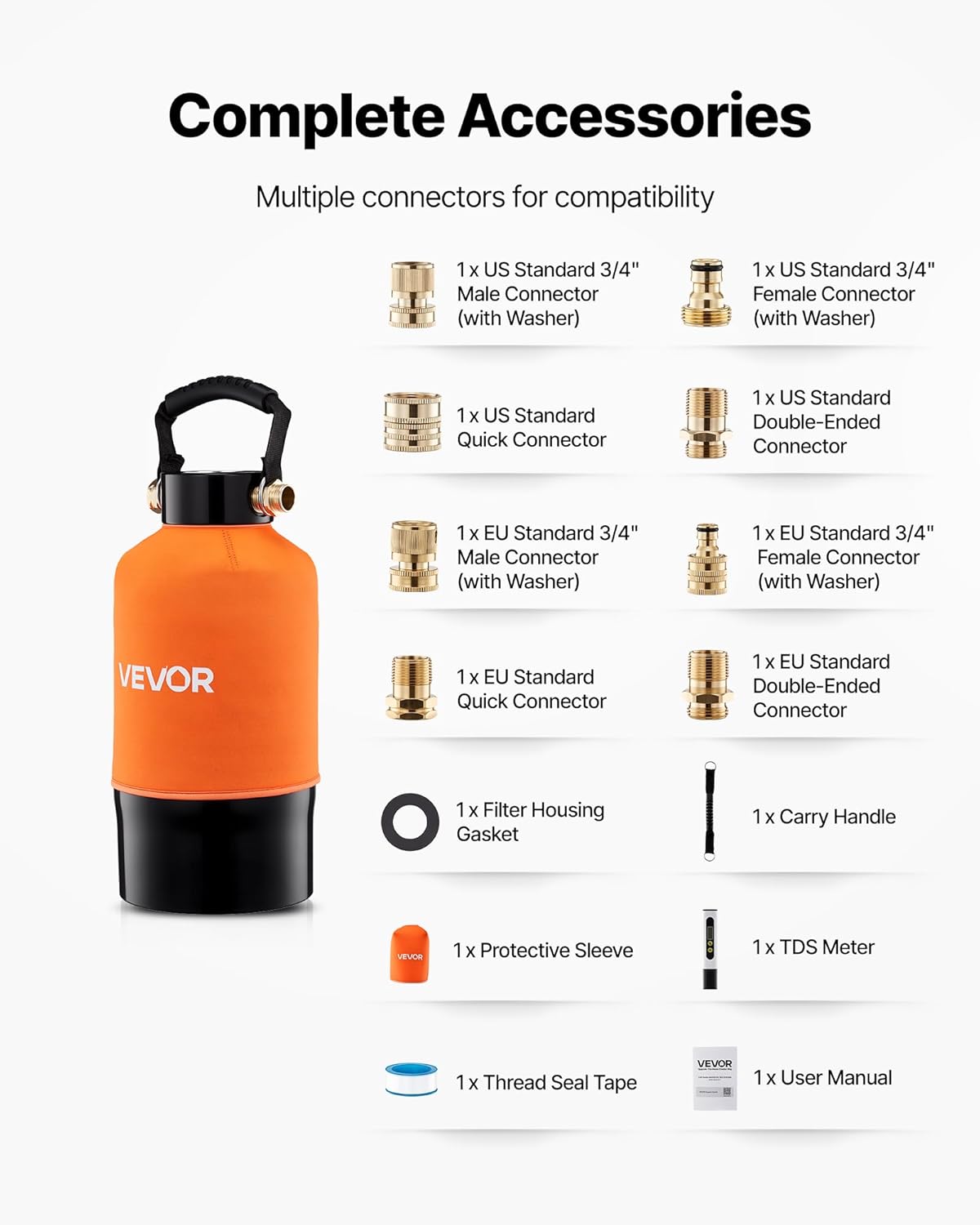
Figure 2.1: Included Accessories and Components.
3. Specifications
| Feature | Detail |
|---|---|
| Model Number | PRS-XCG713 |
| Rated Purified Water Output | Up to 200 Gallons (757 L) (Tested under 200 ppm water conditions) |
| Inlet Hose Diameter | 3/4" NPT (Male Thread) |
| Outlet Hose Diameter | 3/4" NPT (Female Thread) |
| Mixed-Bed Resin Volume | 1.32 Gallons / 5 Liters |
| Inlet Working Pressure | 3-8.6 MPa |
| Working Temperature | 39-111°F / 4-44°C |
| Net Weight | 13.56 lbs / 6.15 kg |
| Product Dimensions (L x W x H) | 7.09 x 7.09 x 15.75 inches / 180 x 180 x 400 mm |

Figure 3.1: Product Dimensions and Detailed Specifications.
4. Safety Information
Please observe the following safety precautions to prevent injury and damage to the product:
- Do not exceed the maximum inlet working pressure of 8.6 MPa.
- Operate the system within the specified temperature range of 39-111°F (4-44°C).
- Ensure all connections are secure to prevent leaks. Use thread seal tape as provided.
- Keep the unit upright during operation and storage.
- Store the unit in a cool, dry place away from direct sunlight and freezing temperatures.
- The resin is non-hazardous. Dispose of used resin according to local regulations.
- Keep out of reach of children.
5. Setup and Installation
Follow these steps to set up your VEVOR Deionized Water System:
- Unpack Components: Carefully remove all items from the packaging and verify against the "What's in the Box" section.
- Attach Carry Handle: Securely attach the provided carry handle to the top of the deionizer unit.
- Connect Hoses:
- Connect your water source (e.g., garden hose) to the inlet of the deionizer unit. Use the appropriate US or EU standard male connector and thread seal tape to ensure a watertight seal.
- Connect your spray gun or pressure washer to the outlet of the deionizer unit. Use the appropriate US or EU standard female connector and thread seal tape.
- Initial Flush (Optional but Recommended): Before first use, allow water to flow through the system for a few minutes to flush out any air or loose resin particles.

Figure 5.1: Example of system connection during car wash.
6. Operation
The VEVOR Deionized Water System is designed for the final rinse stage of washing to achieve a spot-free finish.
- Pre-Rinse: Rinse your vehicle thoroughly with regular tap water to remove loose dirt and debris.
- Wash: Apply your preferred car wash soap and wash the vehicle as usual.
- Initial Rinse: Rinse off all soap residue from the vehicle using regular tap water.
- Final Deionized Rinse:
- Connect the deionizer system to your water source and spray gun/pressure washer.
- Turn on the water supply and rinse the entire vehicle with the deionized water. Ensure complete coverage.
- For optimal results, use a fine mist spray during the final rinse.
- Air Dry: Allow the vehicle to air dry naturally. The deionized water will evaporate without leaving water spots. No wiping is required.

Figure 6.1: Recommended Car Washing Process with DI System.
6.1. Using the TDS Meter
The included TDS (Total Dissolved Solids) meter helps monitor the effectiveness of the deionizer resin.
- Measure Tap Water: Before using the deionizer, measure the TDS of your untreated tap water. This provides a baseline.
- Measure Deionized Water: Periodically measure the TDS of the water coming out of the deionizer unit.
- Optimal TDS for Spot-Free: For best spot-free results, the TDS level of the deionized water should be below 15 ppm. Acceptable results can be achieved between 15-50 ppm.
- Resin Replacement Indication: When the TDS reading of the deionized water consistently rises above 30 ppm, it indicates that the resin is nearing exhaustion and should be replaced for optimal performance.

Figure 6.2: Water Filtration Capacity and Recommended Usage.
7. Maintenance
7.1. Resin Replacement
The mixed-bed resin inside the deionizer unit will eventually become exhausted and needs replacement. This is indicated by a rising TDS level in the output water (above 30 ppm).
- Disconnect Unit: Disconnect the deionizer unit from the water source and spray gun.
- Drain Water: Invert the unit to drain any remaining water.
- Open Unit: Unscrew the top or bottom cap of the deionizer unit to access the resin chamber. Refer to the unit's design for specific opening instructions.
- Remove Old Resin: Carefully empty the exhausted resin into a suitable container for disposal.
- Clean Unit: Rinse the inside of the deionizer unit with clean water.
- Add New Resin: Fill the unit with new VEVOR mixed-bed deionization resin (5L capacity).
- Secure Unit: Re-assemble the unit, ensuring all seals are properly seated and caps are tightened securely.
- Flush System: Perform an initial flush as described in the "Setup" section to remove any air or fine resin particles.
7.2. Storage
When not in use for extended periods:
- Disconnect the unit and drain all water.
- Store the unit in an upright position in a cool, dry place.
- Protect from freezing temperatures, as this can damage the resin and the unit.
8. Troubleshooting
| Problem | Possible Cause | Solution |
|---|---|---|
| Water spots remain after drying. |
|
|
| Low water flow from the unit. |
|
|
| Leaks at connections. |
|
|
8.1. Frequently Asked Questions (FAQs)
- Q1: How much DI water can it produce?
- Output depends on local water TDS. Filtered below 15 ppm for spot-free rinsing. Refer to the capacity table in Section 6.1.
- Q2: Why are there still water spots after washing?
- Usually due to incorrect use or exhausted resin. It is recommended to use city water for the initial wash and rinse, and apply DI water only for the final rinse. Check your TDS meter and replace resin if needed.
- Q3: What TDS level is needed for spot-free results?
- Best is below 15 ppm. Acceptable is 15-50 ppm. Above 50 ppm, spots may appear.
- Q4: When should the resin be replaced?
- Replacement is recommended around 30 ppm TDS output.
- Q5: How should used resin be disposed of?
- Resin is non-hazardous. Dispose of as regular waste per local regulations.

Figure 8.1: Common Questions and Answers.
9. Warranty and Support
For warranty information, technical support, or to purchase replacement parts (such as DI resin), please visit the official VEVOR website or contact VEVOR customer service directly. Keep your purchase receipt for warranty claims.
VEVOR Official Website: www.vevor.com
Related Documents - PRS-XCG713
 |
VEVOR PRS-XCG713 Car Wash Water Filter System: User Manual & Installation Guide Detailed user manual for the VEVOR PRS-XCG713 Car Wash Water Filter System. Covers setup, operation, maintenance, safety precautions, and troubleshooting for achieving spotless car washes. |
 |
VEVOR PRS-XCG713 Car Wash Water Filter System User Manual and Guide Comprehensive user manual for the VEVOR PRS-XCG713 Car Wash Water Filter System. Includes installation, operation, maintenance, safety precautions, and specifications for achieving spot-free car washing. |
 |
VEVOR PRS-XCG713 Car Wash Water Filter System User Manual Discover the VEVOR PRS-XCG713 Car Wash Water Filter System. This manual provides essential information on installation, operation, maintenance, and safety for achieving spotless car washes. Learn about its features, specifications, and troubleshooting. |
 |
VEVOR DI Resin Filter Refill PRS-DISZ - User Guide, Specifications, and Installation Detailed user manual for the VEVOR DI Resin Filter Refill (Model: PRS-DISZ). Covers important safeguards, assembly, installation, maintenance, FAQs, and technical specifications for effective water purification. |
 |
VEVOR Car Wash Water Filter System PRS-TCXC-PT: Installation, Features & Maintenance Guide Comprehensive guide for the VEVOR Car Wash Water Filter System (Model: PRS-TCXC-PT), covering installation, features, specifications, maintenance, and troubleshooting for spotless car washing. |
 |
VEVOR Car Wash Water Filter System PRS-TCXC User Manual and Installation Guide Comprehensive user manual and installation guide for the VEVOR PRS-TCXC Car Wash Water Filter System. Learn about features, assembly, installation, maintenance, and troubleshooting for achieving spotless car washes. |
Ask a question about this manual
Ask about setup, troubleshooting, compatibility, parts, safety, or missing instructions. Manuals+ will review the question and use this page’s manual context to help answer it.