
1. Introduction
This manual provides essential information for the safe and efficient use of your yeagulch 2X 12V 150Ah LiFePO4 Lithium Battery. This battery is designed for deep cycle applications, offering a long lifespan and stable power output for various uses including solar energy systems, recreational vehicles (RVs), marine applications, and off-grid power setups. Please read this manual thoroughly before installation and operation.
2. Safety Information
Adhering to safety guidelines is crucial for preventing damage to the battery and ensuring user safety. Failure to follow these instructions may result in serious injury or property damage.
- Do not use this battery for starting gasoline engines, golf carts, or jacks. It is not designed for high-current starting applications.
- Ensure all connections are secure and properly insulated to prevent short circuits.
- Always use appropriate wire gauges for your application to prevent overheating. If terminals become hot, check for loose connections or insufficient wire size.
- Each line in your electrical system should be fused for protection. Fuses offer better protection than circuit breakers in certain scenarios.
- Avoid exposing the battery to extreme physical shock or puncture.
- Do not disassemble, modify, or attempt to repair the battery. Contact support for assistance.
- Keep the battery away from open flames, heat sources, and flammable materials.
- Wear appropriate personal protective equipment (PPE), such as gloves and eye protection, when handling batteries.

Figure 2.1: Built-in Battery Management System (BMS) protections. The BMS safeguards against various electrical issues, ensuring safe operation.
3. Product Overview
The yeagulch 12V 150Ah LiFePO4 Lithium Battery features a robust design with a built-in 100A Battery Management System (BMS) and low-temperature cut-off protection. It offers a high energy density and a significantly longer cycle life compared to traditional lead-acid batteries.
3.1 Key Features
- LiFePO4 Technology: Provides enhanced safety, stability, and a longer lifespan.
- Integrated 100A BMS: Manages charging and discharging, offering protection against overcharge, over-discharge, over-current, short circuit, and temperature extremes.
- Low Temperature Cut-Off: Automatically stops charging at 0°C (32°F) to prevent damage and extends battery life.
- Deep Cycle Capability: Designed for consistent deep discharge and recharge cycles, ideal for sustained power needs.
- Lightweight Design: Weighs approximately 12.99 kg (28.64 lbs), making it easier to transport and install than comparable lead-acid batteries.
- High Cycle Life: Offers over 15,000 cycles at 60% Depth of Discharge (DOD).
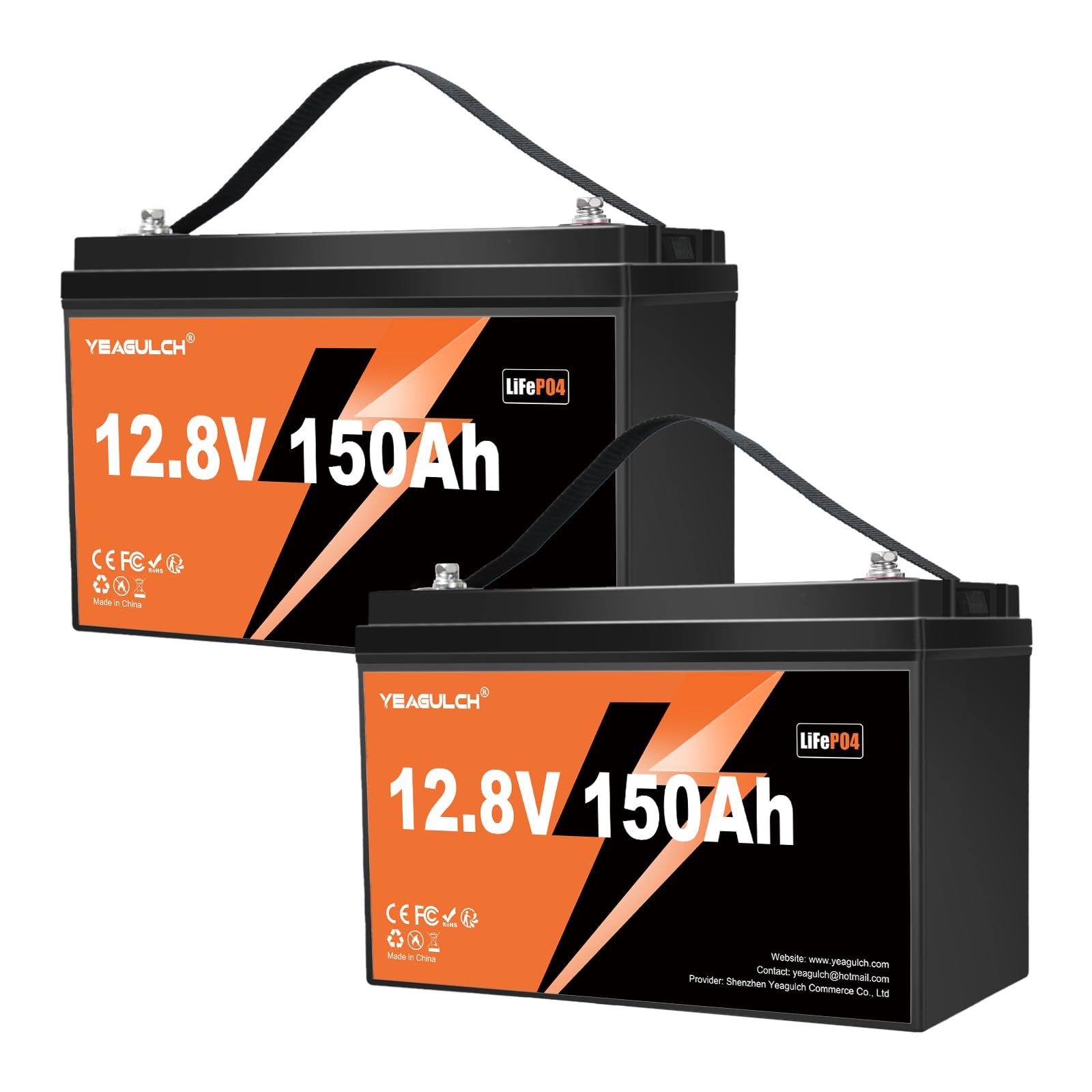
Figure 3.1: yeagulch 12.8V 150Ah LiFePO4 Lithium Battery.

Figure 3.2: Comparison of yeagulch LiFePO4 battery with traditional lead-acid batteries.
4. Setup and Installation
Proper installation is critical for the performance and longevity of your battery. Ensure all connections are correct and secure.
4.1 Physical Dimensions and Weight
The battery's reference dimensions are 33.2 cm (13.07 in) x 22 cm (8.66 in) x 17.2 cm (6.77 in) (L x W x H). It weighs approximately 12.99 kg (28.64 lbs). The terminals are M8-16mm.

Figure 4.1: Battery dimensions and specifications.
4.2 Connection Configurations
This yeagulch 12.8V 150Ah Lithium Battery supports connections in series and parallel to achieve higher voltage or capacity:
- Series Connection: Up to 4 batteries can be connected in series (4S) to create a 51.2V system.
- Parallel Connection: Up to 4 batteries can be connected in parallel (4P) to increase overall capacity.
- Combined Series-Parallel: A maximum configuration of 4S4P is supported.
When connecting batteries in series or parallel, ensure all batteries are at a similar state of charge before making connections. Use appropriate busbars and cables for the expected current draw.
4.3 Wiring and Fusing
Always use heavy-gauge wiring suitable for the maximum current your system will draw. Insufficient wire gauge can lead to voltage drop, overheating, and potential fire hazards. Install appropriate fuses on all positive lines to protect against overcurrents and short circuits.
5. Operation
Understanding the operational parameters will help maximize battery performance and lifespan.
5.1 Charging
The battery features a low-temperature cut-off that prevents charging when the internal temperature is at or below 0°C (32°F). This protects the battery cells from damage. Ensure the battery is within the recommended charging temperature range of 0°C (32°F) to 65°C (149°F).
5.2 Discharging
The recommended discharging temperature range is -20°C (-4°F) to 70°C (158°F). The BMS will initiate a high-temperature cut-off if the internal temperature exceeds 65°C (149°F) during charging to prevent overheating.

Figure 5.1: Battery operating temperature ranges.
6. Maintenance and Storage
Proper maintenance and storage will extend the life of your battery.
- Regular Charging/Discharging: If the battery is not in use for extended periods, charge and discharge it once every six months to prevent damage from disuse.
- Clean Terminals: Periodically inspect and clean battery terminals to ensure good electrical contact and prevent corrosion.
- Storage Environment: Store the battery in a cool, dry place, away from direct sunlight and extreme temperatures.
- Avoid Deep Discharge During Storage: Do not store the battery in a fully discharged state for long periods. Charge it to approximately 50% State of Charge (SOC) before long-term storage.
7. Troubleshooting
This section addresses common issues you might encounter.
- Voltage/Current Deviation: Due to various temperature, humidity, measurement methods, and instrument variations, voltage and current readings may deviate by 1% to 5%. This is considered normal.
- Battery Not Charging: Check if the ambient temperature is below 0°C (32°F). The BMS will prevent charging in cold conditions. Ensure your charger is compatible with LiFePO4 batteries.
- Battery Not Discharging: Check for over-discharge protection activation. The BMS may have cut off output due to low voltage. Recharge the battery. Also, check for high-temperature cut-off if the battery is operating in excessively hot conditions.
- Terminals Getting Hot: This often indicates a loose connection or that the wire gauge is too small for the current being drawn. Tighten connections and ensure appropriate wire sizing.
- Battery Not Providing Power: Verify all connections are secure. Check fuses in the system. Ensure the battery is adequately charged.
If you encounter issues not covered here or require further assistance, please contact yeagulch customer support.
8. Specifications
| Feature | Specification |
|---|---|
| Model Number | MYS95419-666 |
| Nominal Voltage | 12.8V |
| Capacity | 150Ah (1920Wh) |
| Battery Type | LiFePO4 (Lithium Iron Phosphate) |
| Built-in BMS | 100A |
| Life Cycles | 15,000+ cycles at 60% DOD |
| Charging Temperature | 0°C to 65°C (32°F to 149°F) |
| Discharging Temperature | -20°C to 70°C (-4°F to 158°F) |
| Low Temperature Cut-Off | Yes (at 0°C / 32°F for charging) |
| Dimensions (L x W x H) | 33.2 x 22 x 17.2 cm (13.07 x 8.66 x 6.77 inches) |
| Weight | Approx. 12.99 kg (28.64 lbs) |
| Terminal Type | M8-16mm |
| Max Series Connection | 4S (51.2V) |
| Max Parallel Connection | 4P |
9. Warranty and Support
For warranty information, technical support, or any questions regarding your yeagulch 2X 12V 150Ah LiFePO4 Lithium Battery, please refer to the contact information provided with your purchase or visit the official yeagulch website. Please have your model number (MYS95419-666) and purchase details ready when contacting support.
10. Applications
The yeagulch 12V 150Ah LiFePO4 battery is suitable for a wide range of applications requiring reliable and long-lasting power.
- Solar Energy Storage Systems
- Recreational Vehicles (RVs)
- Marine Applications
- Off-Grid Power Systems
- Backup Power Supply
- Independent Power Systems
- Monitoring Systems

Figure 10.1: Wide range of applications for the yeagulch LiFePO4 battery.