
1. Product Overview
The OKANEN Keyway Broaching Cutter Carbide Insert Blade is a precision-engineered tool designed for machining applications. It is specifically used for creating blind internal keyway slots and grooves on spline shafts with high accuracy. Constructed from durable carbide material, this insert blade ensures long-lasting performance in demanding industrial environments. Its compatibility with various machines makes it a versatile component for any workshop.
Key Features:
- Carbide Insert: Designed for durability and long-lasting performance in demanding machining applications.
- Precision Cutting: Engineered for creating blind internal keyway slots and grooves with exceptional accuracy.
- Versatile Compatibility: Works seamlessly with various machines, making it suitable for a wide range of industrial applications.
- Easy Installation: User-friendly design allows for quick and hassle-free installation on compatible equipment.
- Enhanced Efficiency: Optimized for high-speed cutting, reducing machining time and improving overall productivity.
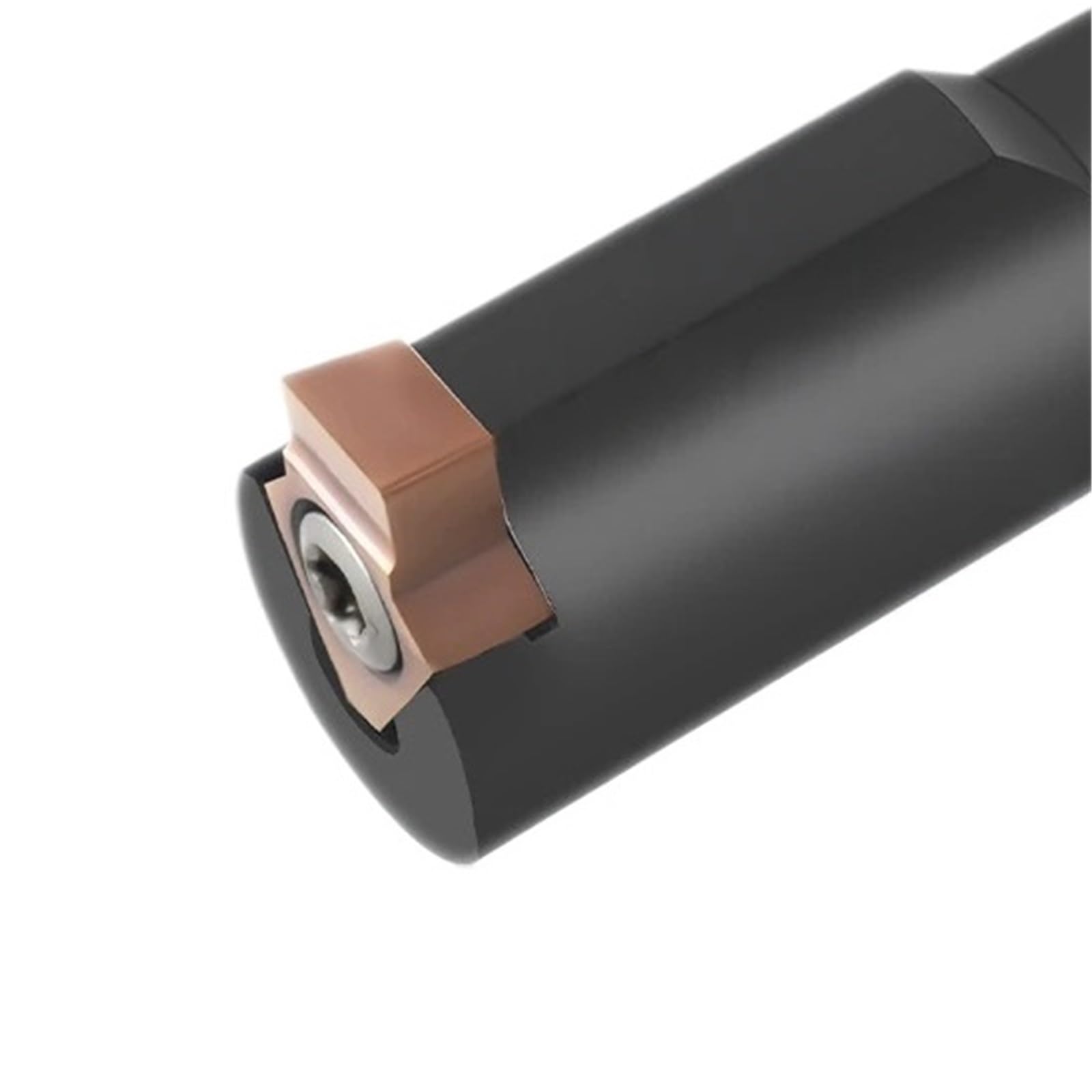
Figure 1: OKANEN Keyway Broaching Cutter Carbide Insert Blade (13x13mm).
2. Safety Information
Always prioritize safety when working with cutting tools and machinery. Failure to follow safety guidelines can result in serious injury or damage to equipment.
- Personal Protective Equipment (PPE): Always wear appropriate PPE, including safety glasses, gloves, and hearing protection, when operating machinery or handling cutting tools.
- Machine Safety: Ensure the machine is turned off and locked out before installing, removing, or adjusting the cutter. Follow all machine-specific safety procedures.
- Tool Handling: Handle the carbide insert blade with care. Edges are sharp. Avoid direct contact with cutting surfaces.
- Secure Mounting: Ensure the insert blade is securely mounted in the tool holder according to manufacturer specifications to prevent dislodgement during operation.
- Workpiece Security: Always secure the workpiece firmly in the machine vise or fixture to prevent movement during the cutting process.
- Clear Work Area: Keep the work area clean and free of obstructions. Remove any loose tools or materials that could interfere with operation.
- Proper Speeds and Feeds: Use recommended cutting speeds and feed rates for the material being machined to prevent tool breakage and ensure optimal performance.
3. Setup and Installation
Proper installation of the carbide insert blade is crucial for achieving accurate cuts and ensuring tool longevity.
- Prepare the Machine: Ensure the milling machine or broaching machine is clean and powered off.
- Select the Correct Tool Holder: Choose a tool holder compatible with the OKANEN Keyway Broaching Cutter Carbide Insert Blade (13x13mm).
- Clean the Holder Pocket: Thoroughly clean the insert pocket in the tool holder to remove any chips, debris, or coolant residue. A clean pocket ensures proper seating of the insert.
- Insert the Blade: Carefully place the carbide insert blade into the tool holder pocket, ensuring it is correctly oriented and seated flush.
- Secure the Blade: Use the appropriate clamping mechanism (e.g., screw, wedge clamp) to firmly secure the insert blade. Tighten fasteners to the manufacturer's recommended torque specifications. Do not overtighten.
- Verify Installation: Double-check that the insert blade is stable and does not wobble. Any movement can lead to poor cut quality and premature tool wear.
- Adjust Tool Offset: Set the tool offset in the machine's control system according to the dimensions of the installed blade and the desired cutting depth.
4. Operating Instructions
Follow these guidelines for effective and safe operation of the keyway broaching cutter.
- Workpiece Preparation: Ensure the workpiece is properly prepared and securely clamped. The surface where the keyway will be cut should be clean and free of burrs.
- Program Machine: Input the necessary cutting parameters into the CNC machine, including cutting depth, feed rate, and spindle speed. Refer to material-specific cutting data for optimal performance.
- Initial Cut: Begin with a shallow test cut to verify tool path and dimensions. Adjust as necessary before proceeding with the full depth cut.
- Coolant Application: Apply appropriate cutting fluid or coolant to the cutting zone. This helps to dissipate heat, lubricate the cut, and prolong tool life.
- Monitor Operation: During operation, continuously monitor the cutting process for unusual noises, vibrations, or excessive chip buildup. These can indicate issues with parameters or tool wear.
- Chip Evacuation: Ensure proper chip evacuation. Accumulated chips can interfere with cutting and damage the tool or workpiece.
- Finishing Pass: For critical dimensions, consider a separate finishing pass with reduced feed rates to achieve desired surface finish and accuracy.
- Post-Operation: After cutting, retract the tool, turn off the machine, and carefully remove the workpiece.
5. Maintenance
Regular maintenance ensures the longevity and optimal performance of your carbide insert blade.
- Cleaning: After each use, carefully clean the insert blade to remove chips, coolant residue, and any other contaminants. Use a brush and appropriate cleaning solution.
- Inspection: Regularly inspect the cutting edges for signs of wear, chipping, or damage. A worn or damaged insert should be replaced immediately to prevent poor performance and potential machine damage.
- Storage: Store the carbide insert blades in their original protective packaging or a dedicated tool storage system to prevent damage to the cutting edges. Keep them in a dry environment to prevent corrosion.
- Replacement: Replace inserts when they show signs of significant wear or damage. Using dull or damaged inserts can lead to increased cutting forces, poor surface finish, and reduced tool life.
6. Troubleshooting
This section addresses common issues encountered during the use of the keyway broaching cutter.
| Problem | Possible Cause | Solution |
|---|---|---|
| Poor Surface Finish | Worn or chipped insert; incorrect cutting parameters (speed/feed); insufficient coolant. | Replace insert; adjust speed/feed; ensure adequate coolant flow. |
| Excessive Tool Wear | High cutting speed; insufficient feed rate; abrasive material; lack of coolant. | Reduce cutting speed; increase feed rate; use appropriate coolant; consider different insert grade. |
| Vibration/Chatter | Unstable setup; worn machine bearings; incorrect cutting parameters; long tool overhang. | Ensure rigid setup; check machine condition; adjust speed/feed; minimize tool overhang. |
| Inaccurate Keyway Dimensions | Improper tool offset; workpiece movement; worn insert. | Verify tool offset; re-clamp workpiece securely; replace insert. |
| Chip Evacuation Issues | Incorrect feed rate; insufficient coolant pressure; wrong chip breaker geometry. | Adjust feed rate; increase coolant pressure; ensure proper chip breaker is used. |
7. Specifications
Detailed specifications for the OKANEN Keyway Broaching Cutter Carbide Insert Blade (13x13mm).
| Attribute | Detail |
|---|---|
| Brand | OKANEN |
| Model Number | 1005008926309637 |
| Part Number | 1005008926309637 |
| Material | Carbide |
| Size (Nominal) | 13 x 13mm |
| Item Weight | 1.76 pounds (approx. 0.8 kg) |
| Package Dimensions | 0.39 x 0.39 x 0.39 inches (approx. 10 x 10 x 10 mm) |
| Power Source Requirement | AC (for compatible machines, not the insert itself) |
| Batteries Required | No |
| Date First Available | January 22, 2026 |

Figure 2: Technical drawing showing key dimensions of the 13x13mm insert blade, including 13mm length, R0.1 radius, Φ4.4 diameter, and a 90-degree angle.
8. Warranty and Support
For specific warranty information or technical support regarding your OKANEN Keyway Broaching Cutter Carbide Insert Blade, please refer to the documentation provided with your purchase or contact the manufacturer directly. General product protection plans may be available through your retailer.
Manufacturer: OKANEN