
1. Product Overview
This Generic Carburetor, model PHUOCVY2972, is designed as a direct replacement component for various Briggs & Stratton engine models. Its primary function is to mix air and fuel in the correct proportions for combustion, ensuring efficient engine operation and consistent performance. The carburetor is supplied with a mounting kit to facilitate installation.
Key features include:
- Ensures optimal fuel flow for consistent engine operation.
- Designed for reliable fuel efficiency during heavy-duty use.
- Direct replacement for compatible carburetors, ensuring a secure fit.
- Includes a mounting kit for simplified installation.
2. Compatibility
This carburetor is compatible with the following Briggs & Stratton engine models:
- 696065
- 697422
- 698860
- 275160
- 126402
3. Package Contents
The package typically includes:
- 1 x Generic Carburetor Unit (Model PHUOCVY2972)
- Mounting Gaskets (as shown in product images)
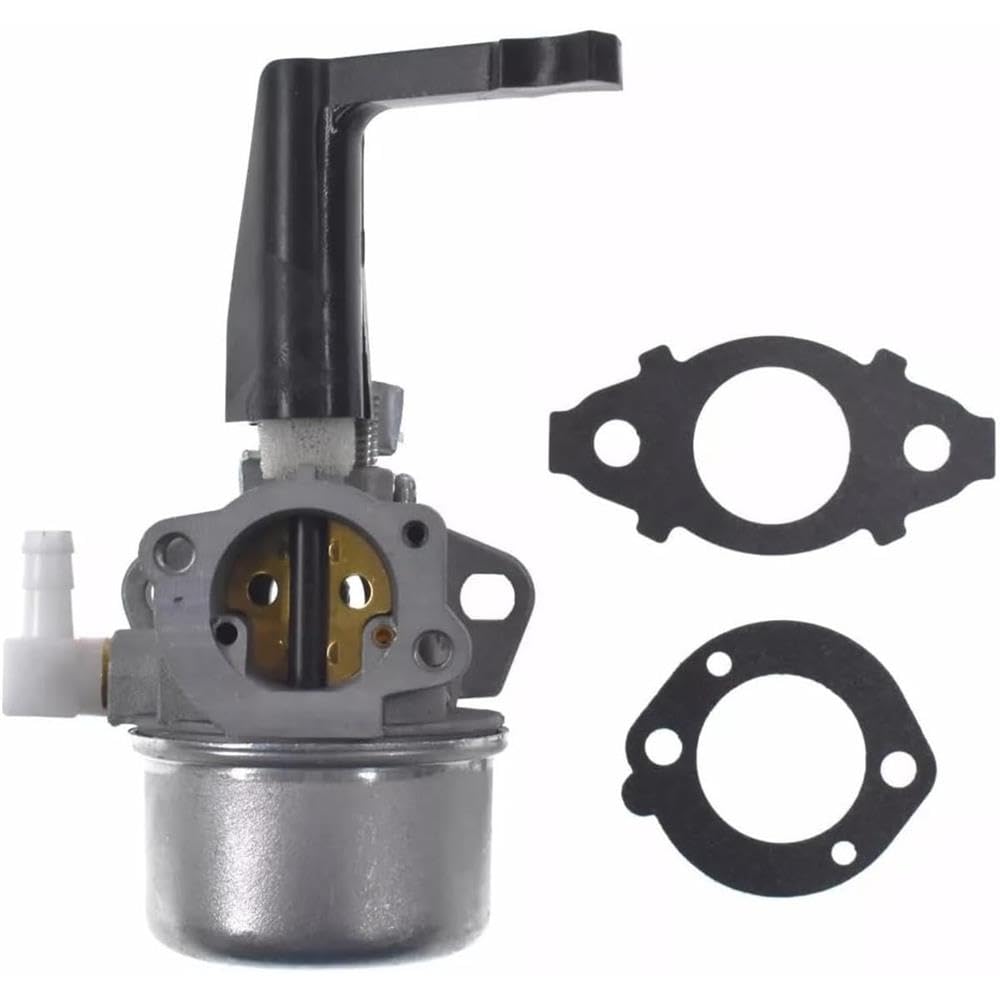
Image 1: Front view of the Generic Carburetor with included mounting gaskets.
4. Setup and Installation
Safety Precautions: Before beginning any installation or maintenance, ensure the engine is turned off, cool, and the spark plug wire is disconnected to prevent accidental starting. Wear appropriate personal protective equipment, such as gloves and eye protection.
- Prepare the Engine: Disconnect the fuel line from the old carburetor. Drain any remaining fuel from the fuel tank if necessary.
- Remove Old Carburetor: Carefully unbolt and remove the old carburetor from the engine. Note the position of any linkages, springs, or hoses for reinstallation.
- Clean Mounting Surface: Ensure the engine's mounting surface is clean and free of old gasket material. This is crucial for a proper seal.
- Install New Gaskets: Place the new mounting gaskets (included in the kit) onto the engine's mounting studs or surface as per the original configuration.
- Mount New Carburetor: Position the new Generic Carburetor onto the mounting studs, aligning it with the gaskets. Secure it with the original bolts, tightening them evenly to prevent warping.
- Reconnect Components: Reattach all fuel lines, linkages, and hoses to the new carburetor. Ensure all connections are secure and free of leaks.
- Refill Fuel: Refill the fuel tank with fresh, appropriate fuel for your engine.
- Test Engine: Reconnect the spark plug wire and attempt to start the engine. Check for proper operation and any fuel leaks.
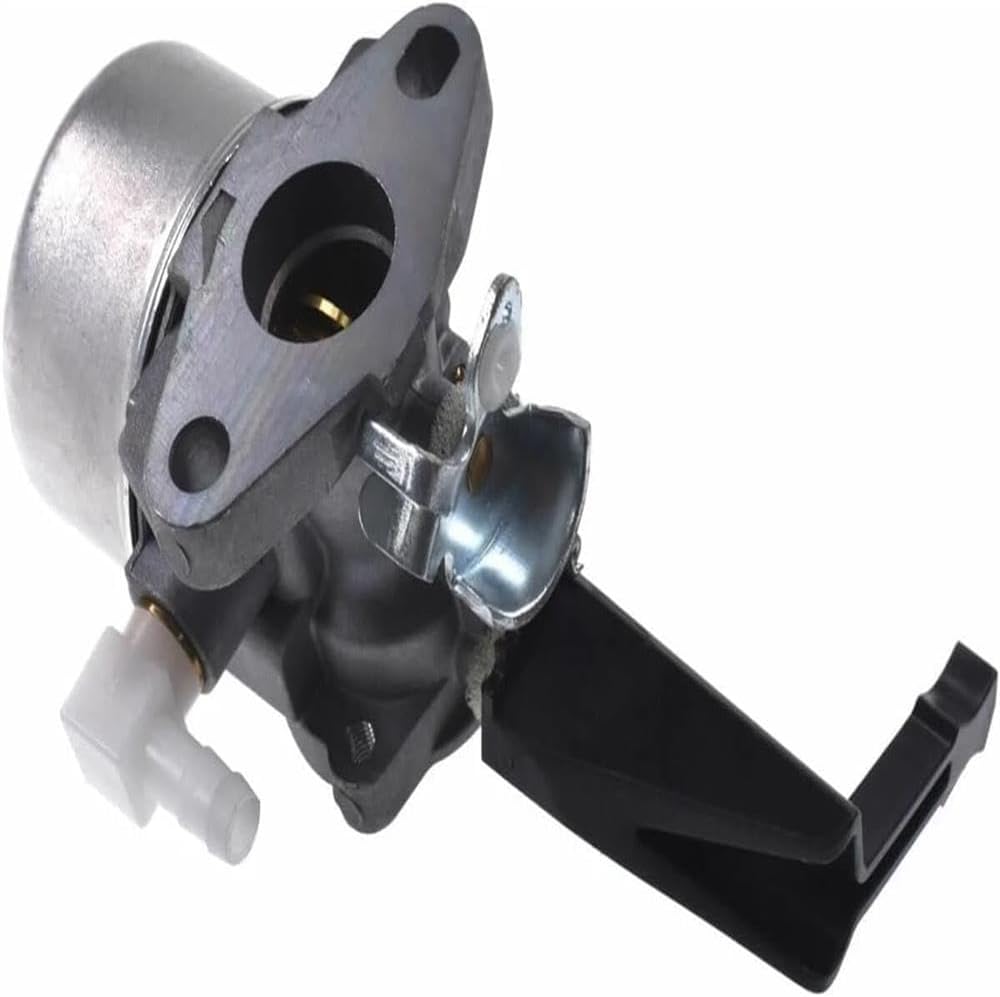
Image 2: Side view of the Generic Carburetor, showing fuel inlet and choke lever.
5. Operating Considerations
Once installed, the carburetor functions automatically to regulate the air-fuel mixture. Proper engine operation relies on a correctly functioning carburetor. Ensure that the engine's air filter is clean and the fuel supply is fresh and free of contaminants. If your engine has a manual choke, operate it according to your engine's specific starting procedure.
6. Maintenance
Regular maintenance of your carburetor and fuel system can extend engine life and ensure optimal performance.
- Fuel Quality: Always use fresh, clean fuel. Stale fuel or fuel containing ethanol can cause deposits and corrosion within the carburetor. Consider using a fuel stabilizer if the engine will be stored for extended periods.
- Fuel Filter: Regularly inspect and replace the fuel filter (if present) to prevent debris from reaching the carburetor.
- Air Filter: A clogged air filter can restrict airflow, leading to a rich fuel mixture and poor engine performance. Clean or replace the air filter as recommended by your engine manufacturer.
- Carburetor Cleaning: If performance issues arise, the carburetor may need cleaning. This typically involves disassembling the carburetor, cleaning jets and passages with carburetor cleaner, and replacing gaskets. This procedure should only be performed by individuals with appropriate mechanical knowledge.

Image 3: Top-down view of the Generic Carburetor, highlighting the air intake and fuel bowl.
7. Troubleshooting
If your engine experiences issues after carburetor installation or during operation, consider the following common troubleshooting steps:
- Engine Not Starting:
- Check for fuel in the tank and ensure the fuel valve is open.
- Verify the spark plug is clean and firing.
- Ensure the choke is set correctly for starting.
- Inspect fuel lines for kinks or blockages.
- Rough Idle or Stalling:
- Check for vacuum leaks around the carburetor mounting gaskets.
- Ensure the air filter is clean.
- Consider if the carburetor jets might be partially clogged (requires cleaning).
- Lack of Power or Poor Performance:
- Verify the fuel filter is not clogged.
- Check for proper throttle linkage operation.
- Ensure the engine is receiving adequate fuel flow.
- Fuel Leaks:
- Inspect all fuel line connections for tightness.
- Check the carburetor bowl gasket and mounting gaskets for proper sealing.
For persistent issues, consult a qualified engine technician.

Image 4: Angled view of the Generic Carburetor, showing various ports and the fuel bowl.
8. Specifications
| Brand Name | Generic |
| Model Number | PHUOCVY2972 |
| Manufacturer | PVSTE |
| Unit Count | 1.0 Count |
| ASIN | B0GHQLL6ZF |
9. Warranty and Support
No specific manufacturer warranty information is provided for this product. For any product-related inquiries or technical assistance, please refer to the retailer or your engine's service manual for general carburetor maintenance guidelines.