
1. Introduction
This manual provides detailed instructions for the installation, operation, maintenance, and troubleshooting of the Generic Q37H4-AM2 Motherboard. Please read this manual thoroughly before proceeding with installation or use to ensure proper functionality and to prevent damage to the product or other components.

Figure 1: Overview of the Q37H4-AM2 Motherboard. This image displays the main board layout, including the CPU socket area, RAM slots, and various integrated circuits. The model number Q37H4-AM2 is visible on a white label.
2. Setup and Installation
Follow these steps to properly install your Q37H4-AM2 Motherboard into a compatible computer case.
2.1. Preparation
- Ensure your workspace is clean, well-lit, and free of static electricity. Use an anti-static wrist strap.
- Gather all necessary tools: Phillips head screwdriver, thermal paste, and your computer case.
- Unpack the motherboard carefully, holding it by the edges to avoid touching components.
2.2. CPU Installation
- Locate the LGA1151 CPU socket on the motherboard.
- Open the CPU socket lever and lift the metal retention plate.
- Carefully align the CPU with the socket, matching the gold triangle on the CPU to the triangle on the socket. Do not force the CPU into place.
- Lower the retention plate and secure it with the lever.
- Apply a small amount of thermal paste to the center of the CPU.
- Install the CPU cooler according to its manufacturer's instructions.
2.3. RAM Installation
- Identify the DDR memory slots on the motherboard.
- Open the clips at both ends of the memory slot.
- Align the notch on the RAM module with the key in the memory slot.
- Press down firmly on both ends of the RAM module until the clips snap into place.
2.4. Motherboard Mounting
- Install the I/O shield into the rear opening of your computer case.
- Align the motherboard with the standoffs inside the case.
- Secure the motherboard with screws, ensuring not to overtighten.
2.5. Connecting Power and Peripherals
- Connect the 24-pin ATX power connector from your power supply to the motherboard.
- Connect the 4-pin or 8-pin CPU power connector to the motherboard.
- Connect front panel connectors (power switch, reset switch, HDD LED, power LED) to the corresponding pins on the motherboard. Refer to the motherboard's silkscreen labels for correct orientation.
- Connect USB, audio, and other case cables to their respective headers.
- Install any expansion cards (e.g., graphics card) into the PCIe slots and secure them.
- Connect storage devices (HDD/SSD) to the SATA ports.
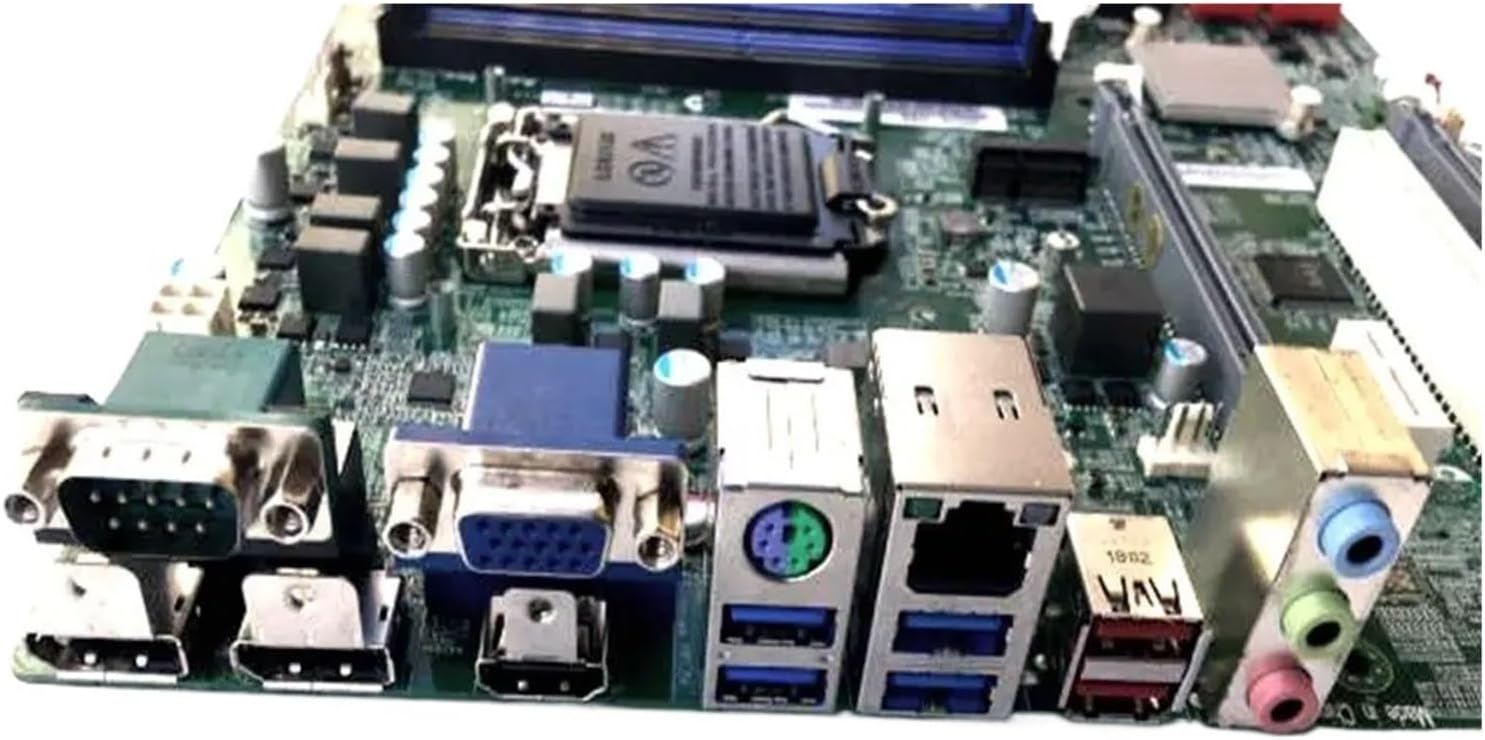
Figure 2: Rear I/O Panel. This image illustrates the available ports on the back of the motherboard, including USB 2.0, USB 3.0, Ethernet, VGA, HDMI, and audio jacks.
3. Operation
Once the motherboard is fully installed and all components are connected, you can proceed with initial power-on and operating system installation.
3.1. Initial Power-On
- Double-check all connections to ensure they are secure.
- Connect your monitor, keyboard, and mouse.
- Turn on the power supply and press the power button on your computer case.
- The system should boot to the BIOS/UEFI interface or attempt to boot from an installed storage device.
3.2. BIOS/UEFI Setup
- During startup, press the designated key (usually DEL, F2, or F10) to enter the BIOS/UEFI setup utility.
- Configure boot order, system time, and other settings as needed.
- Save changes and exit the BIOS/UEFI.
3.3. Operating System Installation
- Insert your operating system installation media (USB drive or DVD).
- Boot from the installation media and follow the on-screen prompts to install your operating system.
- After installation, install all necessary drivers for the motherboard components (chipset, audio, network, etc.) from the manufacturer's website or included driver disc.
4. Maintenance
Regular maintenance helps ensure the longevity and stable performance of your motherboard.
4.1. Cleaning
- Periodically clean dust from the motherboard and components using compressed air. Ensure the system is powered off and unplugged before cleaning.
- Use a soft brush for stubborn dust, being careful not to dislodge small components.
4.2. Firmware Updates
- Check the manufacturer's website for BIOS/UEFI updates.
- Follow the update instructions carefully. Incorrect firmware updates can render the motherboard inoperable.
5. Troubleshooting
This section addresses common issues you might encounter with your motherboard.
| Problem | Possible Cause | Solution |
|---|---|---|
| System does not power on. | Loose power connections, faulty power supply, incorrect front panel wiring. | Check 24-pin and CPU power connectors. Verify front panel power switch connection. Test power supply. |
| No display output. | Monitor not connected, faulty graphics card, incorrect display output selected. | Ensure monitor cable is securely connected. If using a dedicated graphics card, connect to it, not the motherboard's integrated graphics. Reseat graphics card and RAM. |
| System reboots unexpectedly. | Overheating, unstable power, faulty RAM. | Check CPU cooler installation and fan operation. Ensure adequate case airflow. Test RAM modules individually. |
| Operating system fails to load. | Incorrect boot order, corrupted OS installation, faulty storage drive. | Check boot order in BIOS/UEFI. Attempt OS repair or reinstallation. Test storage drive. |
6. Specifications
Key technical specifications for the Generic Q37H4-AM2 Motherboard:
- Model: Q37H4-AM2
- CPU Socket: LGA1151
- Chipset Type: Q370
- RAM Memory Technology: DDR
- Memory Slots Available: 1
- RAM Memory Maximum Size: 1 GB (Note: This specification is unusually low for an LGA1151 motherboard.)
- Memory Clock Speed: 1 GHz (Note: This specification is unusually low for an LGA1151 motherboard.)
- Compatible Devices: Gaming Console (Note: This is an unusual compatible device for a desktop motherboard.)
- Item Weight: 1.76 ounces
- Package Dimensions: 0.39 x 0.39 x 0.39 inches
7. Warranty and Support
For warranty information and technical support, please refer to the documentation provided with your purchase or contact the seller directly. Specific warranty terms and conditions may vary.