
1. Introduction
This manual provides essential information for the proper installation, function, and maintenance of your new Generic Ignition Coil Module. This component is designed as a replacement part for Troy-Bilt 15010 Econo Horse Rear Tine Tillers. Please read these instructions thoroughly before attempting any installation or maintenance to ensure safe and correct operation.
2. Safety Information
WARNING: Always prioritize safety when working with engine components. Failure to follow these safety guidelines may result in serious injury or damage to equipment.
- Always disconnect the spark plug wire and, if applicable, the battery before performing any service or installation.
- Ensure the engine is cool before handling any parts to prevent burns.
- Wear appropriate personal protective equipment, including safety glasses and gloves.
- If you are unsure about any step, consult a qualified service technician.
- Keep children and pets away from the work area.
3. Package Contents
Please verify that all items are present and undamaged upon opening the package.
- 1 x Generic Ignition Coil Module (Model: MANHHOK7750)
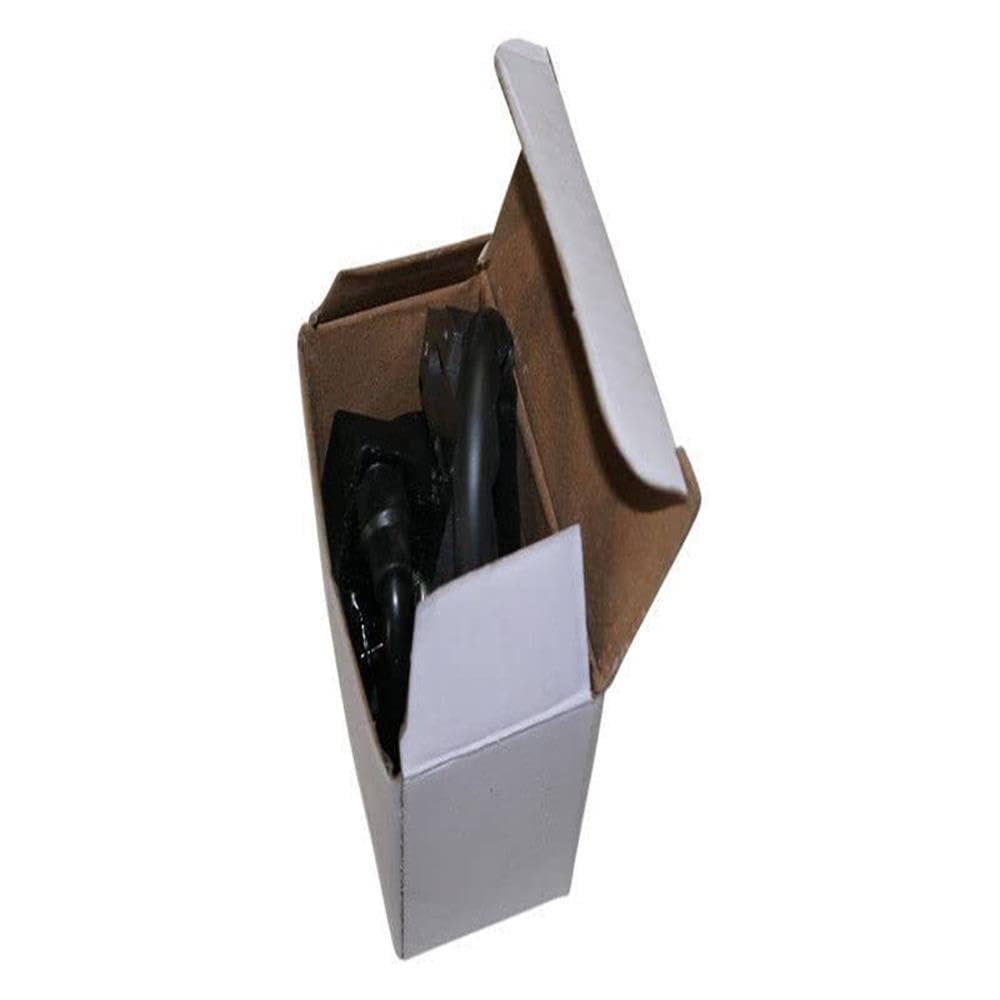
Figure 1: Generic Ignition Coil Module. This image displays the typical appearance of the ignition coil module, featuring its main body, electrical connections, and mounting points.
4. Setup and Installation
This section outlines the general steps for replacing an ignition coil module. Specific procedures may vary slightly depending on your tiller model. Refer to your Troy-Bilt tiller's service manual for detailed instructions if available.
4.1 Tools Required
- Wrench set or socket set
- Screwdriver (flathead and/or Phillips)
- Feeler gauge (for setting air gap)
- Spark plug wrench
4.2 Installation Steps
- Prepare the Tiller: Ensure the tiller engine is off and cool. Disconnect the spark plug wire from the spark plug to prevent accidental starting.
- Locate the Old Coil: Identify the existing ignition coil module, typically mounted near the flywheel.
- Disconnect Wires: Carefully disconnect any electrical wires attached to the old ignition coil. Note their positions for reinstallation.
- Remove Old Coil: Unscrew the mounting bolts or screws holding the old ignition coil in place and remove it.
- Install New Coil: Position the new Generic Ignition Coil Module in the same location. Loosely attach it with the mounting bolts/screws.
- Set Air Gap: This is a critical step. Insert a non-magnetic feeler gauge (typically 0.010-0.014 inches, refer to your tiller's manual for exact specification) between the coil's laminations and the flywheel magnets. Push the coil firmly against the feeler gauge and tighten the mounting bolts/screws securely. Remove the feeler gauge.
- Reconnect Wires: Reconnect all electrical wires to the new ignition coil module, ensuring they are secure.
- Reconnect Spark Plug: Reattach the spark plug wire to the spark plug.
- Test: Attempt to start the tiller to verify proper ignition.
5. Operation
The ignition coil module is an internal engine component responsible for generating the high voltage required to create a spark at the spark plug, igniting the fuel-air mixture. Once correctly installed, its operation is automatic as part of the engine's ignition system. No user intervention is required for its direct operation.
If the engine fails to start or runs poorly after installation, refer to the Troubleshooting section.
6. Maintenance
The Generic Ignition Coil Module is designed for durability and typically requires minimal maintenance. However, regular inspection of related components can help ensure its longevity and reliable engine performance.
- Spark Plug: Regularly inspect and replace the spark plug according to your tiller's maintenance schedule. A worn or fouled spark plug can put undue stress on the ignition coil.
- Spark Plug Wire: Check the spark plug wire for cracks, fraying, or damage. Ensure it is securely connected to both the coil and the spark plug.
- Connections: Periodically inspect all electrical connections to the ignition coil for corrosion or looseness. Clean and tighten as necessary.
- Cleanliness: Keep the area around the ignition coil free from dirt, debris, and oil buildup, which can affect its performance and heat dissipation.
7. Troubleshooting
If you experience issues after installing the ignition coil, consider the following common troubleshooting steps:
| Problem | Possible Cause | Solution |
|---|---|---|
| Engine will not start (no spark) | Incorrect air gap setting Loose or corroded electrical connections Faulty spark plug Damaged spark plug wire | Re-check and adjust air gap Inspect and clean/tighten connections Test and replace spark plug Inspect and replace spark plug wire |
| Engine misfires or runs rough | Incorrect air gap setting Fouled or incorrect spark plug Intermittent electrical connection | Re-check and adjust air gap Inspect/replace spark plug Check all connections for security |
| Engine starts but dies quickly | Possible fuel delivery issue (not coil related) Incorrect air gap | Check fuel system (carburetor, fuel filter) Verify air gap setting |
If troubleshooting steps do not resolve the issue, it is recommended to consult a professional service technician.
8. Specifications
- Part Number: MANHHOK61750
- Item Model Number: MANHHOK7750
- Product Dimensions: 1 x 1 x 1 inches
- Power Source: Hand-powered (refers to the tiller, not the coil itself)
- ASIN: B0GF3C78TP
- Manufacturer: MANHHOK
- Compatibility: Troy-Bilt 15010 Econo Horse Rear Tine Tiller
9. Warranty and Support
No specific warranty information is provided for this product. For technical support or further assistance, please contact the retailer or manufacturer where the product was purchased.