
Introduction to Your Guide
This manual serves as a practical, plain-English guide for owners of Husqvarna lawn mowers, encompassing both gas-powered and battery-powered models. It is designed to provide clear instructions and insights into the proper operation, routine maintenance, and effective troubleshooting of your equipment. Understanding the principles outlined herein will help ensure your mower performs optimally, delivers clean cuts, and has an extended service life.
The information presented aims to empower users to confidently manage their lawn care equipment without relying solely on technical jargon or complex diagrams. By following the guidance in this book, you can prevent common issues, reduce repair costs, and maintain your Husqvarna lawn mower effectively.
1. Setup and Preparation
Before operating any Husqvarna lawn mower, proper setup and preparation are crucial for safety and performance. This section outlines the initial steps and checks recommended for both new and seasoned users.
1.1 Initial Inspection
- Review the Manufacturer's Manual: Always consult the specific manual provided with your Husqvarna mower for model-specific details.
- Check for Damage: Inspect the mower for any visible damage from shipping or previous use.
- Ensure All Parts Are Secure: Verify that all nuts, bolts, and components are properly tightened.
1.2 Fuel and Oil (Gas Models)
- Fuel Type: Use fresh, clean, unleaded gasoline with an octane rating of 87 or higher. Avoid E85 fuel.
- Oil Level: Check the engine oil level before each use. Refer to your mower's dipstick for the correct range and recommended oil type.
1.3 Battery Charging (Battery Models)
- Full Charge: Ensure the battery is fully charged before operation. Use only the charger supplied by Husqvarna.
- Battery Insertion: Insert the battery securely into its compartment until it clicks into place.
1.4 Blade Height Adjustment
- Adjusting Lever: Locate the blade height adjustment lever, typically near one of the wheels.
- Optimal Height: Adjust the cutting height according to your lawn type and desired grass length. Avoid cutting more than one-third of the grass blade at a time.
2. Operating Your Husqvarna Lawn Mower
Safe and effective operation is key to achieving a well-maintained lawn and prolonging your mower's life. This section covers general operating procedures.
2.1 Safety Precautions
- Personal Protective Equipment (PPE): Always wear sturdy footwear, long pants, and eye protection. Ear protection is recommended for gas models.
- Clear the Area: Remove all debris, rocks, toys, and other objects from the mowing area to prevent damage to the mower and potential injury.
- Never Operate Near Others: Keep children and pets away from the mowing area.
- Slope Safety: Mow across slopes with walk-behind mowers, not up and down. Exercise extreme caution on steep inclines.
2.2 Starting the Mower
- Gas Models:
- Ensure the spark plug wire is connected.
- Prime the engine (if applicable, refer to your mower's specific instructions).
- Hold the operator presence control bar against the handle.
- Pull the starter cord firmly and smoothly until the engine starts.
- Battery Models:
- Ensure the battery is inserted and fully charged.
- Hold the operator presence control bar against the handle.
- Press the start button.
2.3 Mowing Techniques
- Overlap Passes: Overlap each mowing pass slightly to ensure even cutting.
- Vary Direction: Change your mowing pattern regularly to prevent matting and promote healthier grass growth.
- Avoid Wet Grass: Do not mow wet grass, as it can clog the deck, lead to uneven cuts, and be slippery.
3. Maintenance and Long-Term Care
Regular maintenance is vital for the longevity and efficiency of your Husqvarna lawn mower. This section details key maintenance tasks.
3.1 Blade Care
- Sharpening: Sharpen blades regularly (at least once per season, more if used frequently or on tough terrain) to ensure clean cuts. Dull blades tear grass, leading to an unhealthy lawn.
- Balancing: After sharpening, ensure the blade is balanced to prevent excessive vibration.
- Replacement: Replace bent, cracked, or severely worn blades immediately.
3.2 Engine Maintenance (Gas Models)
- Oil Changes: Change engine oil according to the manufacturer's schedule, typically after the first 5 hours and then every 25-50 hours of use.
- Air Filter: Clean or replace the air filter regularly to ensure proper engine breathing and prevent dirt from entering the engine.
- Spark Plug: Inspect and replace the spark plug annually or as needed. A clean, properly gapped spark plug is essential for easy starting.
- Fuel System: Use a fuel stabilizer if storing the mower for extended periods to prevent fuel degradation.
3.3 Battery Care (Battery Models)
- Storage: Store batteries in a cool, dry place, partially charged (around 50%) for long-term storage. Avoid extreme temperatures.
- Charging: Do not overcharge or deep discharge batteries. Follow manufacturer guidelines.
3.4 Deck Cleaning
- After Each Use: Clean the underside of the mower deck after each use to remove grass clippings and debris. This prevents rust and maintains cutting efficiency.
- Safety First: Always disconnect the spark plug wire (gas models) or remove the battery (battery models) before cleaning the deck.
3.5 Storage
- Clean and Dry: Thoroughly clean the mower before storing it for the off-season.
- Proper Location: Store in a dry, protected area. For gas models, ensure the fuel tank is either empty or treated with stabilizer.
4. Troubleshooting Common Issues
Many common mower problems can be resolved with simple checks and adjustments. This section provides guidance on diagnosing and fixing frequent issues.
4.1 Mower Will Not Start
- Gas Models:
- No Fuel: Check fuel tank level.
- Stale Fuel: Drain old fuel and refill with fresh gasoline.
- Spark Plug: Inspect spark plug for fouling or damage; clean or replace.
- Air Filter: Check if air filter is clogged; clean or replace.
- Operator Presence Control: Ensure the control bar is fully engaged.
- Battery Models:
- Battery Charge: Ensure battery is fully charged.
- Battery Connection: Verify battery is securely inserted.
- Safety Key/Switch: Check if any safety key is inserted or switch is in the correct position.
4.2 Uneven Cutting or Poor Performance
- Dull Blade: Sharpen or replace the blade.
- Clogged Deck: Clean grass clippings from the underside of the deck.
- Incorrect Height: Adjust cutting height appropriately.
- Engine Speed (Gas Models): Ensure engine is running at full RPM.
4.3 Excessive Vibration
- Unbalanced Blade: Rebalance or replace the blade.
- Bent Crankshaft: If vibration persists after blade checks, a bent crankshaft may be the cause, requiring professional service.
- Loose Components: Check for any loose bolts or parts on the mower.
5. Specifications (This Guide)
This section provides the specifications for the "Husqvarna Lawn Mower Manual" guide itself, which serves as your comprehensive resource.
| Attribute | Detail |
|---|---|
| Title | Husqvarna Lawn Mower Manual: The Complete Owner’s Guide to Operation, Maintenance, Troubleshooting, and Long-Term Care for Gas and Battery Models |
| Author | Monroe Coleman |
| Publisher | Independently published |
| Publication Date | December 24, 2025 |
| Language | English |
| Print Length | 125 pages |
| ISBN-13 | 979-8241128126 |
| Item Weight | 6.2 ounces |
| Dimensions | 6 x 0.29 x 9 inches |
Visual Aids
Below are images of the guide itself, providing a visual reference for the product discussed.
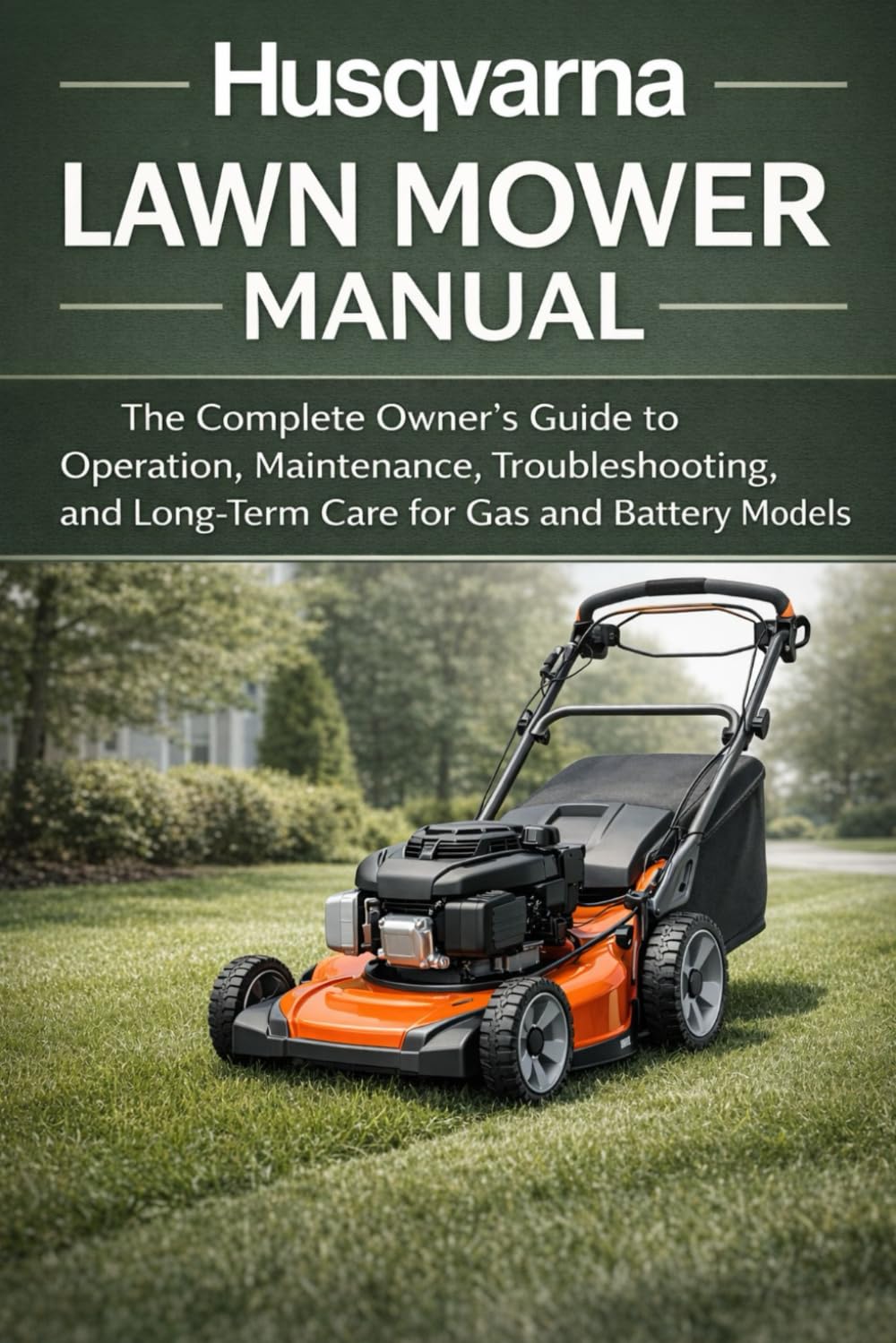
Figure 1: Front cover of the Husqvarna Lawn Mower Manual. This image displays the title and primary branding of the comprehensive owner's guide.

Figure 2: Back cover of the Husqvarna Lawn Mower Manual. This image includes the ISBN barcode and copyright information for the guide.


