
1. Introduction
This manual provides essential information for the proper installation, operation, and maintenance of your Rareelectrical Alternator, model 8247AC. An alternator is a critical component of your vehicle's electrical system, responsible for generating electricity to power electrical components and recharge the battery while the engine is running. Please read these instructions carefully before proceeding with installation or any service.
For optimal performance and safety, it is recommended that installation be performed by a qualified automotive technician.
2. Product Overview
The Rareelectrical Alternator 8247AC is designed as a compatible replacement for various AC Delco and Delco units, providing reliable electrical power for your vehicle. It features a 12-volt, 105-amp output with an internal regulator and fan, ensuring consistent performance.

Figure 2.1: Front view of the alternator, highlighting the serpentine pulley and mounting points.

Figure 2.2: Rear view of the alternator, displaying the protective cover and cooling vents.

Figure 2.3: Side view of the alternator, illustrating the electrical connection points and mounting bracket.
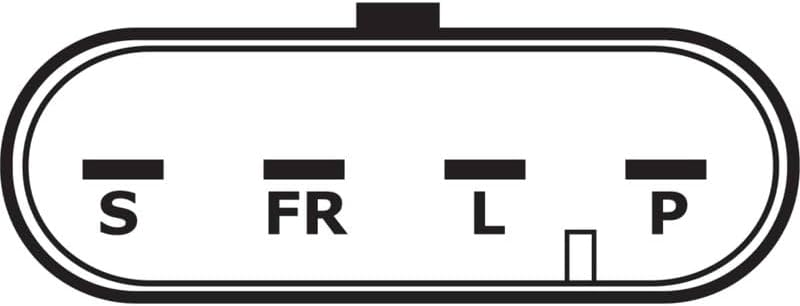
Figure 2.4: Detailed view of the 4-pin electrical connector, indicating the S, FR, L, and P terminals for proper wiring.
3. Specifications
| Feature | Detail |
|---|---|
| Model Number | 8247AC |
| Replaces OEM Part Numbers | AC Delco 321-1798, Delco 10480388 |
| Unit Type | Delco |
| Voltage | 12 Volts |
| Amperage | 105 Amps |
| Regulator Position | 3:00 |
| Output Stud Dimensions | M6-1.0 |
| Regulator Location | Internal |
| Fan Location | Internal |
| Pulley Type | Serpentine |
| Weight | 12.67 lbs / 5.76 kg |
| Product Dimensions | 9 x 9 x 9 inches |
4. Vehicle Compatibility
This Rareelectrical Alternator 8247AC is compatible with a range of Cadillac, Chevrolet, and GMC vehicles. Please verify your original equipment manufacturer (OEM) part number to ensure correct fitment before installation.
- Cadillac:
- Escalade / Escalade ESV / Escalade EXT: 2002-2004 (5.3L / 6.0L V8 Gas)
- Chevrolet:
- Silverado 1500 Pickups: 1999-2004 (4.3L / 4.8L / 5.3L / 6.0L V8 Gas)
- Silverado 1500 HD Pickups: 2001-2005 (6.0L V8 Gas)
- Silverado 2500 Pickups: 1999-2004 (5.3L / 5.7L / 6.0L V8 Gas)
- Silverado 2500 HD Pickups: 2001-2005 (6.0L / 6.6L / 8.1L V8 Gas / Diesel)
- Silverado 3500 Pickups: 2001-2005 (6.0L / 6.6L / 8.1L V8 Gas / Diesel)
- Avalanche 1500 Pickups: 2002-2004 (5.3L V8 Gas)
- Avalanche 2500 Pickups: 2002-2004 (8.1L V8 Gas)
- Suburban 1500: 2000-2004 (5.3L V8 Gas)
- Suburban 2500: 2000-2005 (6.0L / 8.1L V8 Gas)
- Tahoe: 2000-2004 (4.8L / 5.3L V8 Gas)
- Express 1500 / 2500 / 3500 Vans: 2001-2004 (4.3L / 4.8L / 5.0L / 5.3L / 5.7L / 6.0L / 6.5L / 8.1L Gas / Diesel)
- Astro Vans: 2001-2004 (4.3L V6 Gas)
- C3500HD Medium Duty Trucks: 2001-2002 (8.1L V8 Gas)
- GMC:
- Sierra 1500 Pickups: 1999-2004 (4.3L / 4.8L / 5.3L / 6.0L V8 Gas)
- Sierra 1500 HD Pickups: 2001-2005 (6.0L V8 Gas)
- Sierra 2500 Pickups: 1999-2004 (5.3L / 6.0L V8 Gas)
- Sierra 2500 HD Pickups: 2001-2005 (6.0L / 6.6L / 8.1L V8 Gas / Diesel)
- Sierra 3500 Pickups: 2001-2005 (6.0L / 6.6L / 8.1L V8 Gas / Diesel)
- Yukon / Yukon XL 1500: 2000-2004 (4.8L / 5.3L / 6.0L V8 Gas)
- Yukon XL 2500: 2000-2005 (6.0L / 8.1L V8 Gas)
- Savana 1500 / 2500 / 3500 Vans: 2001-2004 (4.3L / 4.8L / 5.0L / 5.3L / 5.7L / 6.0L / 6.5L / 8.1L Gas / Diesel)
- Safari Vans: 2001-2004 (4.3L V6 Gas)
5. Installation
Disclaimer: Alternator installation can be complex and involves working with vehicle electrical systems. Incorrect installation can lead to damage to the vehicle or personal injury. It is highly recommended that installation be performed by a certified automotive technician. These instructions are for general guidance only.
5.1. Safety Precautions
- Always disconnect the negative (-) battery terminal before beginning any work on the vehicle's electrical system.
- Wear appropriate personal protective equipment, including safety glasses and gloves.
- Ensure the vehicle is on a stable, level surface and properly supported if lifted.
- Allow the engine to cool completely before working on it.
- Refer to your vehicle's specific service manual for detailed removal and installation procedures.
5.2. General Installation Steps
- Disconnect Battery: Disconnect the negative battery cable.
- Access Alternator: Locate the alternator. Depending on the vehicle, this may require removing other components (e.g., serpentine belt, air intake, power steering pump).
- Remove Serpentine Belt: Use a serpentine belt tensioner tool to relieve tension and remove the belt from the alternator pulley.
- Disconnect Wiring: Carefully disconnect all electrical connections from the old alternator. Note their positions for reinstallation. This typically includes a main power wire (B+ terminal) and a multi-pin connector (refer to Figure 2.4 for terminal identification).
- Remove Mounting Bolts: Unbolt the old alternator from its mounting brackets.
- Remove Old Alternator: Carefully remove the old alternator from the engine bay.
- Install New Alternator: Position the new Rareelectrical Alternator 8247AC into place and secure it with the mounting bolts. Do not overtighten.
- Reconnect Wiring: Reconnect all electrical connections to the new alternator, ensuring they are secure and correctly oriented.
- Reinstall Serpentine Belt: Route the serpentine belt correctly over all pulleys and apply tension using the tensioner tool. Verify the belt is seated properly.
- Reconnect Battery: Reconnect the negative battery cable to the battery.
- Test System: Start the vehicle and check for proper charging system operation. Monitor the battery light on the dashboard and use a voltmeter to confirm charging voltage (typically 13.5-14.8 volts).
6. Operation
Once installed, the Rareelectrical Alternator 8247AC operates automatically when the engine is running. It converts mechanical energy from the engine's crankshaft (via the serpentine belt) into electrical energy. This electricity powers the vehicle's accessories (lights, radio, HVAC, etc.) and recharges the vehicle's 12-volt battery. The internal voltage regulator maintains a stable output voltage to prevent overcharging or undercharging the battery.
7. Maintenance
Alternators are generally low-maintenance components. However, regular checks of related systems can prolong its life and ensure proper function:
- Serpentine Belt: Inspect the serpentine belt periodically for cracks, fraying, or excessive wear. A worn belt can slip, reducing alternator output.
- Battery Terminals: Ensure battery terminals are clean, tight, and free of corrosion. Poor battery connections can affect charging.
- Wiring Connections: Periodically check the alternator's electrical connections for tightness and corrosion.
- Battery Health: A weak or failing battery can put extra strain on the alternator. Ensure your battery is in good condition.
8. Troubleshooting
If you experience issues with your vehicle's charging system, consider the following common troubleshooting steps:
- Battery Warning Light On: This typically indicates a problem with the charging system.
- Check serpentine belt tension and condition.
- Inspect alternator wiring for loose or corroded connections.
- Test battery voltage with the engine off (should be ~12.6V) and engine running (should be 13.5-14.8V). If voltage does not increase with the engine running, the alternator may not be charging.
- Dim Lights / Electrical Malfunctions:
- Could indicate low voltage from the alternator. Check charging voltage.
- Ensure all electrical connections are secure.
- Unusual Noises (Whining, Grinding):
- May indicate a failing bearing within the alternator.
- Could also be a worn or misaligned serpentine belt.
If troubleshooting does not resolve the issue, consult a qualified automotive technician for diagnosis and repair.
9. Safety Information
- Always disconnect the battery before working on the alternator or any electrical components.
- Avoid touching hot engine components.
- Do not wear loose clothing or jewelry that could get caught in moving parts.
- Keep children and pets away from the work area.
- Ensure proper ventilation if working in an enclosed space.
- Never attempt to repair a damaged alternator yourself; replacement is typically the only solution.
10. Warranty and Support
For information regarding the warranty of your Rareelectrical Alternator 8247AC, please refer to the purchase documentation or contact the seller directly. Rareelectrical is committed to providing reliable products and customer satisfaction.
If you require technical assistance or have questions about your product, please contact Rareelectrical customer support through their official channels or the retailer from whom the product was purchased.