
1. Introduction
This manual provides essential information for the proper installation, operation, and maintenance of your OMNI5 NTK 23008 Oxygen Sensor. The NTK 23008 Oxygen Sensor is designed to monitor the oxygen content in your vehicle's exhaust gases, which is crucial for optimizing the air-fuel ratio, improving engine performance, and reducing harmful emissions. Please read this manual thoroughly before installation and retain it for future reference.
2. Safety Information
Always prioritize safety when working on your vehicle. Failure to follow these safety guidelines may result in personal injury or damage to the vehicle.
- Ensure the vehicle's engine is turned off and has cooled down sufficiently before beginning any work. Exhaust components can be extremely hot.
- Disconnect the vehicle's battery to prevent accidental electrical shorts or activation of electrical systems.
- Wear appropriate personal protective equipment, including safety glasses and gloves.
- Use proper lifting equipment if the vehicle needs to be raised. Ensure it is securely supported.
- Keep children and pets away from the work area.
- Consult a qualified mechanic if you are unsure about any part of the installation process.
3. Package Contents
Verify that all components are present and undamaged before proceeding with installation.
- 1 x NTK 23008 Oxygen Sensor
4. Setup and Installation
The NTK 23008 Oxygen Sensor is engineered for a plug-and-play installation, meeting exact OEM specifications for proper fit and function. No splicing or modifications are typically required.
- Identify the Sensor Location: Consult your vehicle's service manual to locate the specific oxygen sensor that needs replacement. Oxygen sensors are typically found in the exhaust system, either before (upstream) or after (downstream) the catalytic converter.
- Prepare the Area: Ensure the engine is cool. Disconnect the negative terminal of the vehicle's battery. Clear any obstructions around the sensor.
- Disconnect Electrical Connector: Carefully disconnect the electrical connector from the old oxygen sensor. Some connectors may have a locking tab that needs to be pressed or pulled.
- Remove Old Sensor: Use an oxygen sensor socket or an open-end wrench of the correct size to loosen and remove the old sensor. It may be tight due to heat cycling and corrosion.
- Inspect New Sensor: Before installation, visually inspect the new NTK 23008 sensor for any damage.
- Install New Sensor: Apply a small amount of anti-seize compound (if not pre-applied) to the threads of the new sensor, being careful not to get any on the sensor tip. Thread the new sensor into the exhaust bung by hand to prevent cross-threading.
- Tighten Sensor: Use the oxygen sensor socket or wrench to tighten the sensor to the manufacturer's specified torque. Overtightening can damage the sensor or exhaust system.
- Connect Electrical Connector: Reconnect the electrical connector, ensuring it clicks securely into place.
- Reconnect Battery: Reconnect the negative terminal of the vehicle's battery.
- Test System: Start the engine and check for any exhaust leaks or illuminated check engine lights. A diagnostic scan tool may be needed to clear any stored fault codes.
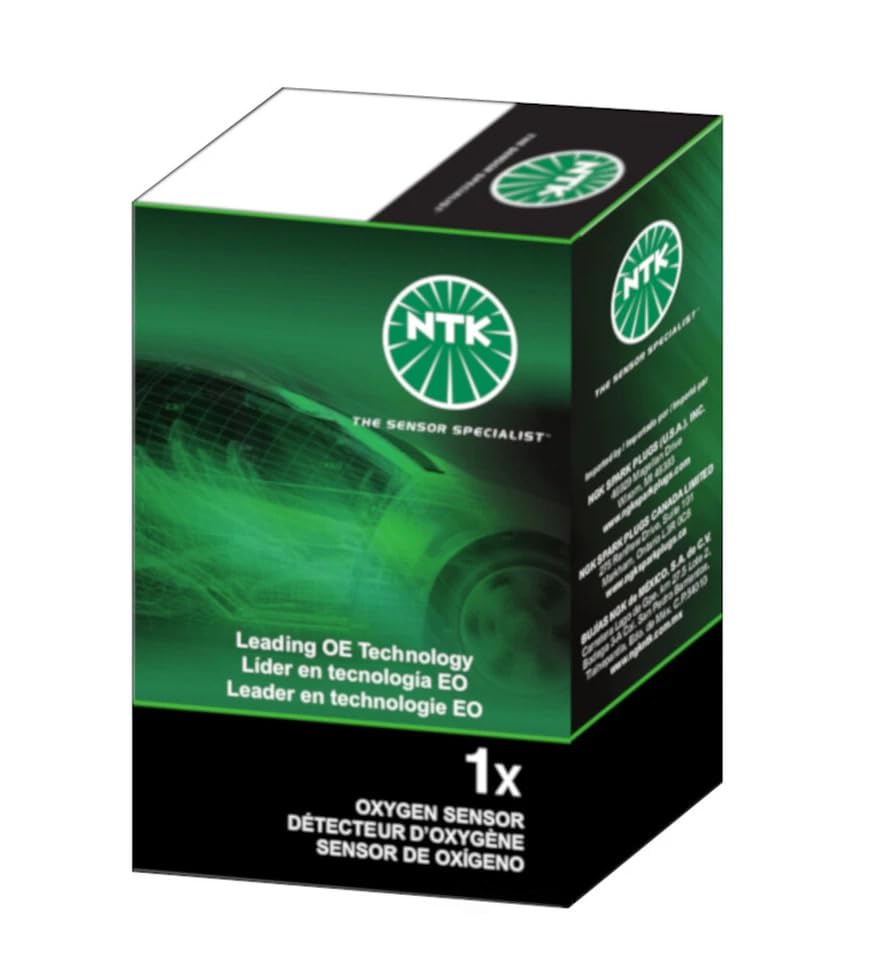
Image showing the OMNI5 NTK 23008 Oxygen Sensor, a critical component for engine management. This sensor is designed for precise measurement of exhaust gas oxygen levels.
5. Operating Principles
The NTK 23008 Oxygen Sensor functions by generating a voltage signal that varies with the oxygen content in the exhaust gas. This signal is sent to the vehicle's Engine Control Unit (ECU). The ECU uses this information to continuously adjust the fuel injection and ignition timing, ensuring the engine operates at the optimal air-fuel ratio (stoichiometric ratio). This process is vital for efficient combustion, reduced fuel consumption, and effective operation of the catalytic converter to minimize harmful emissions.
6. Maintenance
Oxygen sensors are wear-and-tear items and typically do not require routine maintenance. However, their lifespan can be affected by various factors, including fuel quality, engine condition, and driving habits. Regular vehicle maintenance, such as timely oil changes and proper engine tuning, can help prolong the life of your oxygen sensor.
- Periodic Inspection: During routine vehicle inspections, visually check the sensor's wiring and connector for any signs of damage, corrosion, or loose connections.
- Avoid Contaminants: Ensure that no oil, coolant, or other fluids come into contact with the sensor element, as this can cause premature failure.
- Replacement Interval: Consult your vehicle's manufacturer recommendations for oxygen sensor replacement intervals. Even if not faulty, replacing sensors at recommended intervals can maintain optimal engine performance and fuel efficiency.
7. Troubleshooting
A faulty oxygen sensor can lead to various engine performance issues. Common symptoms and troubleshooting steps are listed below.
- Check Engine Light (CEL) Illuminated: This is the most common indicator. Use an OBD-II scanner to retrieve diagnostic trouble codes (DTCs). Codes related to oxygen sensors often start with P0130-P0167.
- Decreased Fuel Economy: A failing sensor can cause the engine to run rich or lean, leading to increased fuel consumption.
- Rough Idling or Stalling: Incorrect air-fuel mixture can cause the engine to run poorly, especially at idle.
- Failed Emissions Test: High levels of pollutants in the exhaust are a strong sign of an inefficient catalytic converter, often caused by a malfunctioning oxygen sensor.
- Poor Engine Performance: Reduced power, hesitation, or misfires can occur if the engine is not receiving accurate air-fuel ratio data.
If you experience any of these symptoms and diagnostic codes confirm an oxygen sensor issue, replacement with the NTK 23008 sensor is recommended. Always ensure proper installation and check for other related issues (e.g., exhaust leaks, wiring damage) that might affect sensor performance.
8. Specifications
| Feature | Detail |
|---|---|
| Model Number | 23008 |
| Manufacturer | OMNI5 (NTK Group) |
| Part Type | Oxygen Sensor |
| Fitment | Engineered to meet OEM specifications (verify with vehicle selector) |
| Installation | Plug-and-play, no splicing required |
9. Warranty and Support
For warranty information and technical support regarding your OMNI5 NTK 23008 Oxygen Sensor, please refer to the documentation provided with your purchase or contact OMNI5 customer service. Keep your proof of purchase for any warranty claims.
For further assistance, you may visit the OMNI5 Store on Amazon.