
Introduction
This manual provides essential information for the installation, maintenance, and troubleshooting of your new Generic Carbon Brushes. These brushes are designed as replacement parts for various power tools, specifically compatible with the Parkside PBH 1500 A1 model. Proper installation and regular inspection ensure optimal performance and longevity of your power tool.
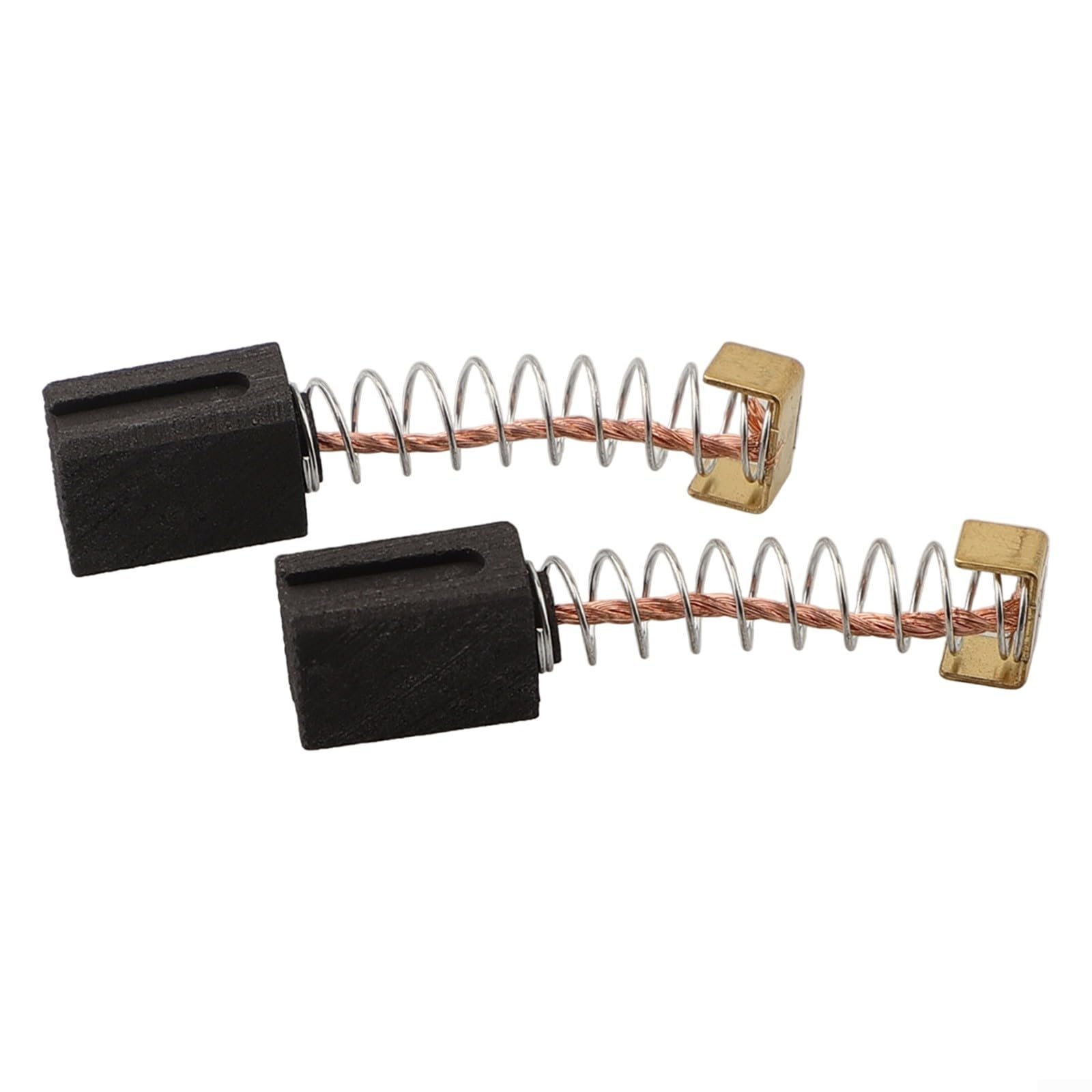
Figure 1: Two Generic Carbon Brushes. Each brush consists of a carbon block, a coiled spring, and a brass terminal, designed for electrical contact in a motor.
Safety Information
Always prioritize safety when working with power tools and electrical components. Failure to follow these safety guidelines may result in injury or damage to equipment.
- Disconnect Power: Before attempting any installation, maintenance, or repair, ensure the power tool is unplugged from the electrical outlet.
- Wear Protective Gear: Use appropriate personal protective equipment (PPE) such as safety glasses and gloves.
- Consult Tool Manual: Refer to your specific power tool's instruction manual for detailed disassembly and reassembly procedures.
- Handle with Care: Carbon brushes are fragile. Avoid dropping or applying excessive force during handling and installation.
- Professional Assistance: If you are unsure about any step, seek assistance from a qualified technician.
Setup and Installation
Replacing carbon brushes is a common maintenance task for many power tools. The following steps provide a general guide. Always refer to your specific tool's manual for precise instructions.
- Prepare the Tool: Ensure the power tool is unplugged. Place it on a stable, clean surface.
- Locate Brush Holders: Identify the carbon brush access points on your power tool. These are typically small caps or covers on the motor housing, often secured by screws or clips.
- Remove Old Brushes: Carefully remove the caps or covers. Gently pull out the old carbon brushes. Note their orientation, as new brushes should be installed in the same manner.
- Clean Brush Holders: Use compressed air or a soft brush to clean any carbon dust or debris from the brush holders and commutator area.
- Install New Brushes: Insert the new carbon brushes into the brush holders, ensuring the carbon block makes proper contact with the commutator. The spring should apply gentle pressure.
- Secure Brushes: Replace the caps or covers, ensuring they are securely fastened. Do not overtighten.
- Test Operation: Plug in the power tool and perform a brief test run at a low speed to ensure proper function. Listen for unusual noises or excessive sparking.

Figure 2: Illustration of two carbon brushes, highlighting the carbon block and the electrical connection point.
Maintenance
Carbon brushes are wear-and-tear components that require periodic inspection and replacement to maintain tool performance.
- Regular Inspection: Depending on tool usage, inspect carbon brushes every 50-100 hours of operation, or if you notice a decrease in tool performance.
- Signs of Wear: Replace brushes when they are worn down to approximately one-third of their original length, or if they appear chipped, cracked, or unevenly worn.
- Commutator Condition: While inspecting brushes, also check the commutator for excessive wear, pitting, or discoloration. A clean and smooth commutator is crucial for efficient motor operation.

Figure 3: Close-up of the carbon block, showing its textured surface and precise dimensions for optimal contact.
Troubleshooting
If your power tool exhibits issues after carbon brush replacement, consider the following common problems:
- Excessive Sparking: This can indicate improperly seated brushes, worn brushes, or a dirty/damaged commutator. Ensure brushes are correctly installed and the commutator is clean.
- Reduced Power or Intermittent Operation: Worn or improperly installed brushes can lead to poor electrical contact, resulting in power loss or inconsistent operation. Verify brush length and seating.
- Motor Not Starting: If the motor does not start, check that the brushes are making full contact with the commutator and that the power supply is connected. Severely worn brushes may prevent the motor from starting.
- Unusual Noise: New brushes may produce a slight humming sound as they seat. However, loud grinding or scraping noises could indicate incorrect brush installation or damage to internal components.
Specifications
| Feature | Detail |
|---|---|
| Product Type | Carbon Brushes (Replacement Engine Coal Motor Brush) |
| Compatibility | Parkside PBH 1500 A1 and other compatible grinding mills/power tools |
| Material | High-quality Carbon |
| Carbon Brush Size | 6 x 10 x 14 mm (Length x Width x Height) |
| Package Contents | 2 x Carbon Brushes |
| Product Dimensions | 0.79 x 0.39 x 0.39 inches (approx. 20 x 10 x 10 mm) |
| Item Weight | 0.353 ounces (per set of 2) |
| Model Number | 1T868L5KX228L26N947288S5IIQ2 |
Warranty and Support
Information regarding specific warranty terms or direct manufacturer support for this Generic product is not provided in the product details. For any issues or questions, please refer to the retailer or platform where the product was purchased.