
1. Introduction
Thank you for choosing the SGPWOSAY UL61730 N-Type 450W Bifacial Monocrystalline Solar Panel. This manual provides essential information for the safe and efficient installation, operation, and maintenance of your solar panels. Please read this manual thoroughly before installation and keep it for future reference. Proper installation and care will ensure optimal performance and longevity of your solar energy system.

Image 1.1: SGPWOSAY UL61730 N-Type 450W Bifacial Solar Panels.
2. Safety Information
Always prioritize safety during installation, operation, and maintenance. Failure to follow these safety guidelines may result in injury, damage to the product, or voiding the warranty.
- Electrical Hazard: Solar panels generate electricity when exposed to light. Always cover the panels with an opaque material during installation to prevent electrical shock.
- High Voltage: Multiple panels connected in series can produce high DC voltage, which is dangerous. Use appropriate safety equipment and follow local electrical codes.
- Weight and Handling: Solar panels are heavy and fragile. Handle with care and ensure proper lifting techniques to prevent injury or damage.
- Fire Hazard: Do not install panels near flammable gases or vapors. Ensure proper ventilation around the panels.
- Qualified Personnel: Installation and maintenance should only be performed by qualified and trained personnel.
- Tools: Use insulated tools and wear appropriate personal protective equipment (PPE), including safety glasses, gloves, and hard hats.
- Structural Integrity: Ensure the mounting structure can support the weight of the panels and withstand local wind and snow loads.
3. Product Overview
3.1 Key Features
- High Efficiency: UL61730 CEC Listed N-Type 16BB 450W Bifacial monocrystalline solar panel generates up to 22.5% energy efficiency.
- Bifacial Technology: Allows for harvesting up to an additional 30% energy from the rear side of the module, enhancing overall power output.
- High Tolerance: N-Type Bifacial Dual Glass Module offers increased durability against harsh climatic conditions including heat, cold, snow, and wind.
- Optimized Shading Performance: Half-cut cell technology reduces shading effects and shortens current paths, improving efficiency in shaded conditions.
- IP68 Rated: Provides excellent waterproof and dustproof protection for reliable outdoor performance.
- Easy Installation: Designed with preserved mounting holes, an anodized aluminum alloy frame, and plug & play solar connectors for straightforward setup.

Image 3.1: High Efficiency and Bifacial Design.

Image 3.2: N-Type vs P-Type Solar Panel Comparison.

Image 3.3: Optimized Efficiency in Shaded Conditions.
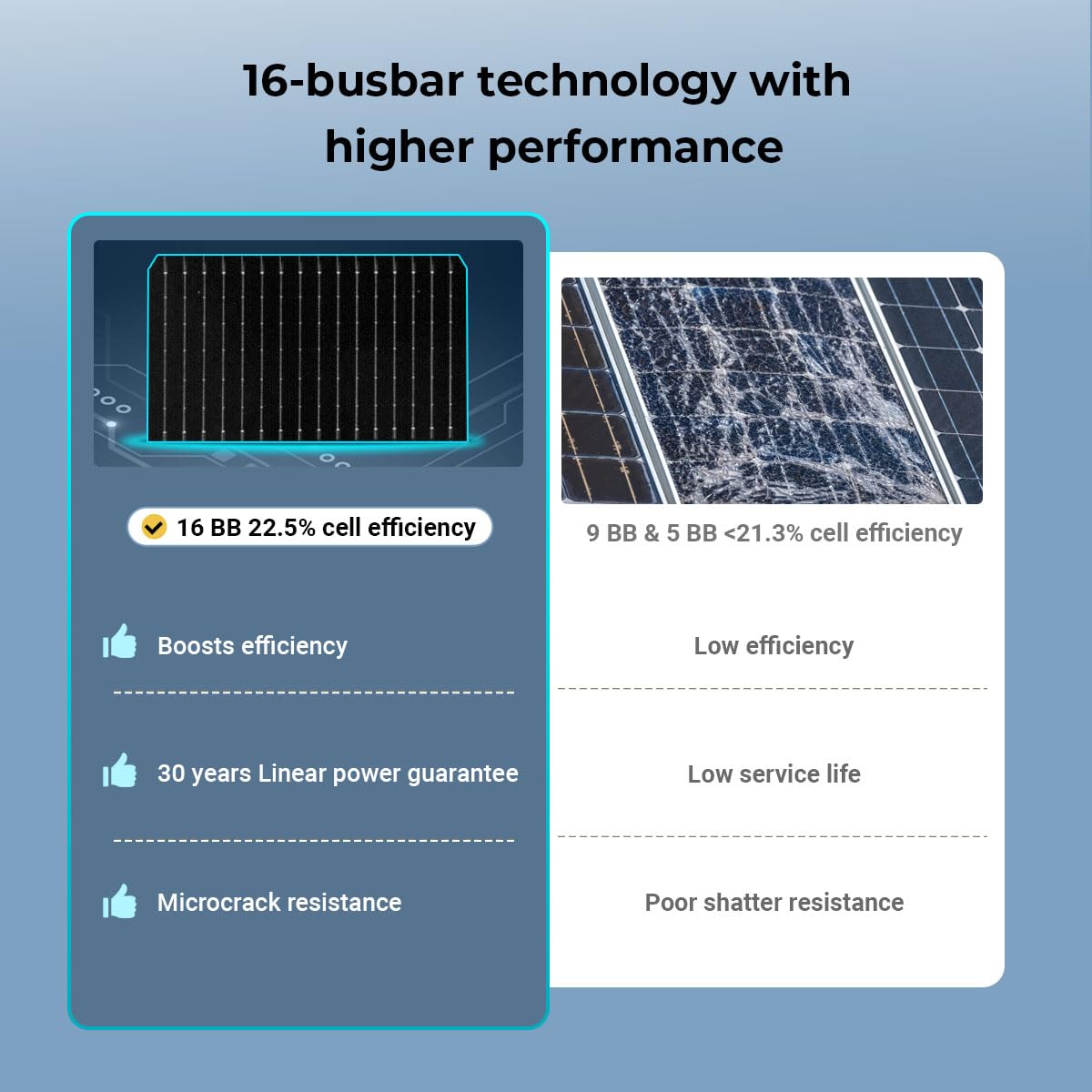
Image 3.4: 16-Busbar Technology for Higher Performance.
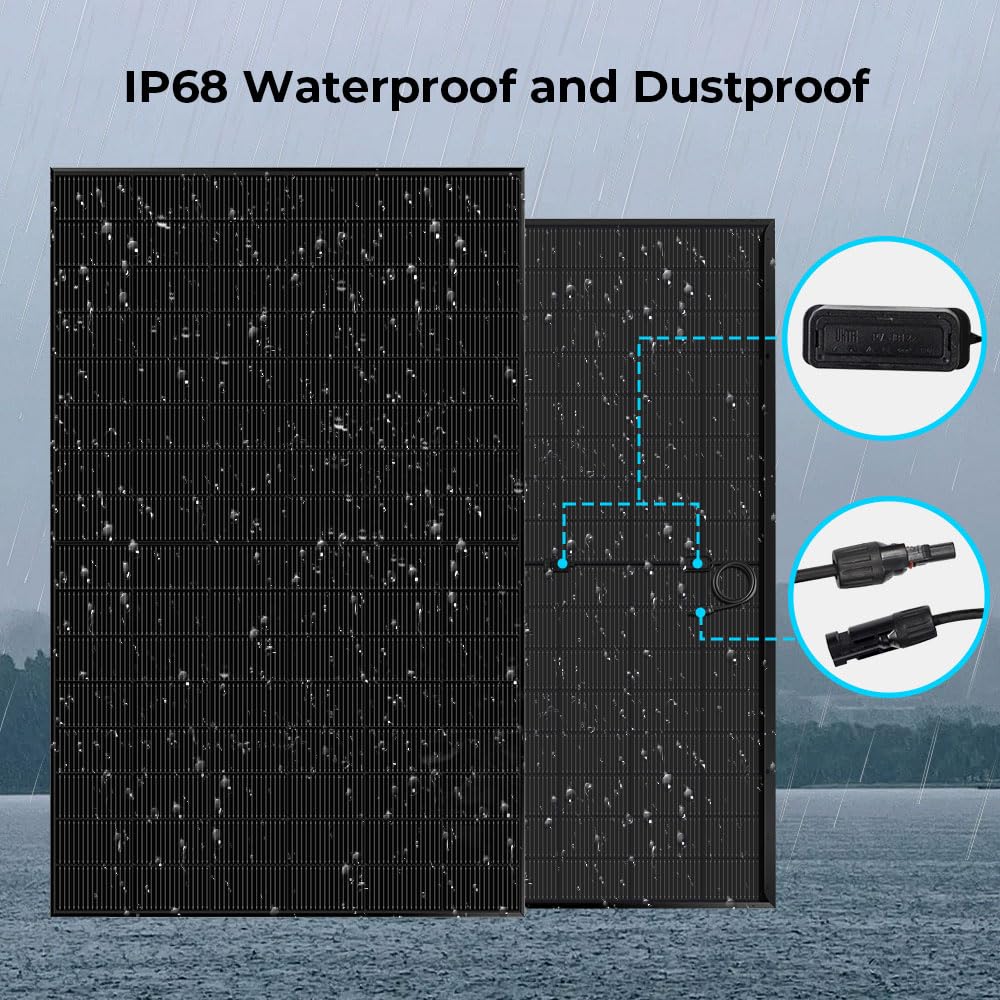
Image 3.5: IP68 Waterproof and Dustproof Design.
3.2 Components
Each SGPWOSAY 450W Bifacial Solar Panel includes:
- Monocrystalline Silicon cells
- High-transmission low-iron tempered glass
- Excellent EVA encapsulation
- Waterproof film
- Anodized aluminum alloy frame with preserved mounting holes
- Integrated junction box with plug & play solar connectors
4. Setup and Installation
Proper installation is crucial for the safety and performance of your solar panels. Consult a qualified installer if you are unsure about any steps.
4.1 Pre-Installation Checklist
- Verify all components are present and undamaged.
- Ensure the installation site is clear of obstructions and has adequate sunlight exposure.
- Confirm the mounting structure is robust enough to support the panels and withstand environmental conditions.
- Review local building codes and electrical regulations.
4.2 Mounting Options
SGPWOSAY bifacial solar panels support various installation methods, allowing flexibility for different applications. The panels are designed with preserved mounting holes for secure attachment.

Image 4.1: Panel Dimensions and Installation Features.

Image 4.2: Common Solar Panel Mounting Configurations.
4.3 Electrical Connections
- Ensure all connections are secure and properly insulated.
- Connect panels in series or parallel according to your system design and inverter requirements.
- Use the integrated plug & play solar connectors for reliable and safe connections.
- Proper grounding of the array and mounting structure is mandatory.
5. Operating Instructions
Once installed, your SGPWOSAY solar panels will automatically begin generating electricity when exposed to sunlight. The bifacial design allows for energy generation from both the front and rear surfaces, maximizing power output.
- Sunlight Exposure: Ensure panels receive maximum direct and reflected sunlight throughout the day for optimal performance.
- System Monitoring: If your system includes a monitoring device, regularly check its readings to ensure proper operation and energy production.
- Shading: While the panels are designed for optimized performance in shaded conditions, prolonged or heavy shading will reduce power output. Minimize shading from trees, buildings, or other obstructions.
- Temperature Range: The panels are designed to operate effectively across a wide temperature range. Refer to the specifications for detailed operating temperature limits.
6. Maintenance
Regular maintenance helps ensure the long-term performance and efficiency of your solar panels.
6.1 Cleaning
- Clean the panel surfaces periodically to remove dust, dirt, leaves, and other debris that can reduce efficiency.
- Use a soft cloth or sponge with clean water. Avoid abrasive materials or harsh chemicals.
- Clean panels during cooler parts of the day (early morning or late afternoon) to prevent thermal shock and water spots.
6.2 Inspection
- Periodically inspect panels for any visible damage, such as cracks in the glass, loose frames, or damaged cables.
- Check electrical connections for corrosion or loosening. Ensure all wiring is intact and properly secured.
- Inspect the mounting structure for stability and signs of wear or corrosion.
- Address any issues promptly to prevent further damage or safety hazards.
7. Troubleshooting
If your solar panel system is not performing as expected, consider the following common issues:
- Low Power Output:
- Check for shading on the panels.
- Clean the panel surfaces if they are dirty.
- Verify all electrical connections are secure.
- Check the inverter or charge controller for error messages.
- No Power Output:
- Ensure the system is properly connected to the inverter/charge controller.
- Check for tripped circuit breakers or blown fuses.
- Inspect for any severe damage to panels or wiring.
- Physical Damage:
- If a panel is cracked or severely damaged, it should be replaced by a qualified technician.
- Do not attempt to repair damaged panels yourself.
For persistent issues, contact SGPWOSAY customer support or a certified solar technician.
8. Specifications
| Attribute | Value |
|---|---|
| Brand | SGPWOSAY |
| Model Number | SGN-450 |
| Material | Monocrystalline Silicon, excellent EVA, high-transmission low-iron tempered glass, waterproof film |
| Product Dimensions (L x W x H) | 69.4"L x 44.7"W x 1.4"H |
| Item Weight | 53.4 Pounds |
| Efficiency | High Efficiency (up to 22.5%) |
| Amperage Capacity | 14.97 Amps |
| Maximum Voltage | 30.08 Volts |
| Maximum Power | 450 Watts (per panel) |
| Maximum System Voltage (VDC) | 1500 |
| Wind Resistance (Pa) | 2400 |
| Cell Type | N-type monocrystalline |
| Number of Cells | 96 cells |
| IP Rating | IP68 |
9. Warranty and Support
SGPWOSAY stands behind the quality of its products.
- Product Warranty: A 12-year warranty covers materials and workmanship.
- Performance Warranty: A 30-year linear performance warranty ensures consistent power output over time, with an annual degradation rate of 0.40%.

Image 9.1: SGPWOSAY Solar Panel Warranty Details.
For warranty claims, technical support, or any inquiries, please contact SGPWOSAY customer service. You can find more information and contact details on the official SGPWOSAY store page: SGPWOSAY Store.