
1. Introduction
This manual provides essential information for the safe and effective operation of your FORENSICS DETECTORS FD-101-O2 Oxygen Detector. This device is designed for industrial and occupational safety applications, providing continuous monitoring of oxygen levels. Please read this manual thoroughly before using the detector.
2. Key Features
- Extended Battery Life: Features a massive 2-year battery life, designed as a disposable detector.
- Robust Construction: Passes a 10 ft drop test and boasts an IP67 waterproof rating. The rubberized housing provides a secure grip.
- Accurate Detection: Industrial-grade O2 detector with a range of 0-30.0% vol and 0.1% resolution, utilizing electrochemical sensors. Comes factory-calibrated.
- Comprehensive Alarms: Equipped with buzzer, LED, and vibration alarms. Includes instantaneous, OSHA TWA (Time-Weighted Average), and STEL (Short-Term Exposure Limit) alarms.
- Certified Quality: Includes a NIST USA calibration certificate and is tested and verified in the USA.
3. What's in the Box
Upon opening the package, you will find the following items:
- FORENSICS DETECTORS FD-101-O2 Oxygen Detector
- User Manual
- NIST USA Calibration Certificate
- Test and Quality Inspection Report
- Calibration Cap
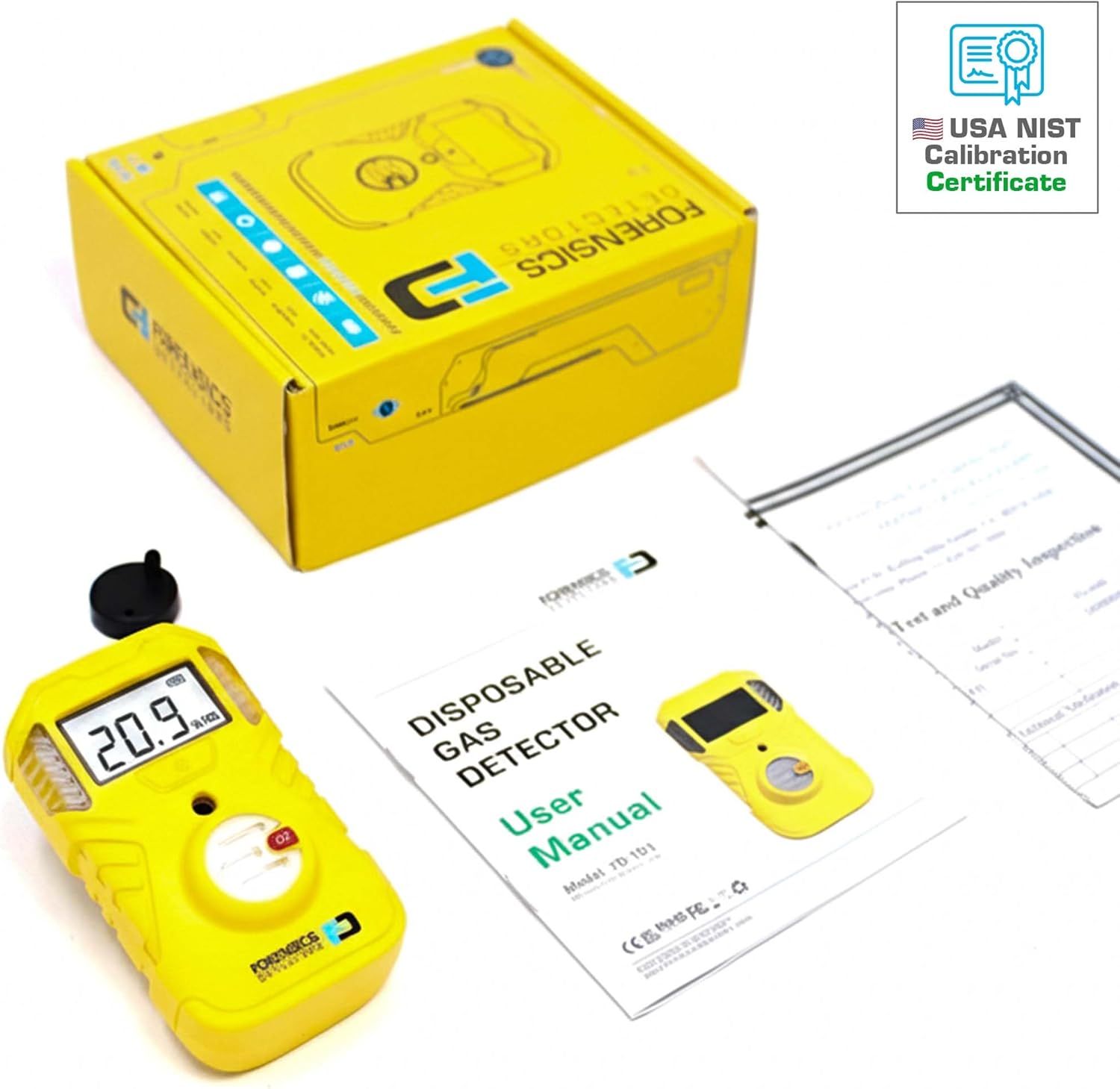
Figure 3.1: The FD-101-O2 Oxygen Detector package contents.
4. Setup
4.1 Initial Power On and Self-Test
The FD-101-O2 detector comes pre-calibrated from the factory. To power on the device, press and hold the power button located on the front. The detector will initiate a self-test sequence, displaying various parameters and alarm settings before settling on the current oxygen concentration.

Figure 4.1: Detector display showing current oxygen level.
4.2 Attaching the Belt Clip
The detector features a robust belt clip on the back for secure attachment to clothing or a belt. It also includes a D-ring for lanyard attachment or hanging.

Figure 4.2: Detector with belt clip for secure wearing.
5. Operating Instructions
5.1 Basic Operation
Once powered on, the detector continuously displays the current oxygen concentration in % volume. The device is designed for ease of use, providing real-time readings.
5.2 Menu Navigation
To access the menu, double-click the power button. Once in the menu, single-click the power button to cycle through different menu items such as remaining sensor life (displayed in months), current time, and alarm settings (TWA, STEL, Low, High). To adjust a setting, press and hold the power button when the desired item is displayed.
5.3 Alarm Indicators
The detector provides three types of alarms:
- Buzzer: An audible alarm.
- LED: Flashing lights on the device.
- Vibration: A tactile alert.
By default, the flashing light and beeping alarms are active. The vibration alarm may need to be enabled via PC software and an infrared transmitting dongle, as it consumes additional power.
The default low alarm is set at 19.5% oxygen, and the high alarm is set at 23.5% oxygen.
6. Calibration
The FD-101-O2 is factory-calibrated and includes a NIST USA calibration certificate. Recalibration is generally not required for the first year of operation.
6.1 Zero Calibration
For zero calibration, flow pure nitrogen over the sensor at a rate of 0.5 liters per minute for 2 minutes. This sets the baseline for zero oxygen.
6.2 Span Calibration
For span calibration, use open air (20.9% oxygen) to calibrate the sensor to a known oxygen concentration.

Figure 6.1: Detector in a lab environment, highlighting calibration features.
7. Maintenance
7.1 Battery and Sensor Life
The FD-101-O2 is a disposable detector with a sealed ER14335 lithium battery and an electrochemical gas sensor. Both are designed to last for approximately 24 months (2 years) under normal operating conditions. The device features a monthly countdown display for remaining sensor life. After this period, the unit should be replaced.
7.2 Storage and Operating Conditions
For optimal performance and longevity, store and operate the detector within the specified temperature and humidity ranges. Avoid prolonged exposure to environments with relative humidity exceeding 90%, as this may affect sensor accuracy.
8. Testing the Detector
To verify the functionality of the oxygen detector, you can perform a simple test using a source of carbon dioxide (CO2). Carbon dioxide is heavier than air and will displace oxygen, causing the detector to register a drop in O2 levels and trigger an alarm.
- Place the detector in a clear container.
- Generate CO2 by mixing baking soda and vinegar in a separate container.
- Carefully pour the CO2 gas (which is invisible) from the generating container into the container holding the detector, ensuring not to pour any liquid.
- Observe the detector's reading. As the oxygen level drops below 19.5%, the alarms (light and buzzer) should activate.
- Remove the detector from the container. The oxygen reading should quickly return to ambient levels (around 20.9%), and the alarms should cease.
This test confirms the sensor's responsiveness and alarm functionality.
9. Troubleshooting
| Problem | Possible Cause | Solution |
|---|---|---|
| Detector does not power on. | Battery depleted or unit reached end of life. | The FD-101-O2 is a disposable unit. If the battery is depleted or the 2-year lifespan is reached, the unit must be replaced. |
| Inaccurate oxygen readings. | Exposure to high humidity, sensor aging, or need for recalibration. | Ensure operating within specified humidity. Consider recalibration if past the initial year or if accuracy is critical. Replace unit if sensor is at end of life. |
| Vibration alarm not working. | Vibration alarm is disabled by default. | Enable the vibration alarm using the optional PC software and infrared dongle. |
| Alarms trigger unexpectedly. | Sudden change in oxygen concentration or exposure to interfering gases. | Move to a fresh air environment. If alarms persist, the unit may require service or replacement. |
10. Specifications
| Feature | Detail |
|---|---|
| Model | FD-101-O2 |
| Gas Detected | Oxygen (O2) |
| Range | 0 - 30.0% vol |
| Resolution | 0.1% vol |
| Sensor Type | Electrochemical Gas Sensor |
| Sensor Life | 24 months (monthly countdown) |
| Battery | Sealed ER14335 Lithium Battery (2-year life) |
| Low Alarm | 19.5% vol |
| High Alarm | 23.5% vol |
| TWA (Time-Weighted Average) | 19.5% vol |
| STEL (Short-Term Exposure Limit) | 23.5% vol |
| Response Time | < 60 seconds |
| Operating Temperature | -4°F to 122°F (-20°C to 50°C) |
| Operating Humidity | < 90% RH (non-condensing) |
| Ingress Protection | IP67 (Waterproof) |
| Drop Test | 10 ft pass |
| Display | LCD Display |
| Alarm Indicators | Instantaneous, TWA, STEL, LED, Buzzer, and Vibration (optional) |
| Weight | 110 Grams |
11. Warranty and Support
The FORENSICS DETECTORS FD-101-O2 Oxygen Detector comes with a 1-year limited warranty. For technical support, calibration services, or warranty claims, please contact FORENSICS DETECTORS directly.
Contact information can be found on the official FORENSICS DETECTORS website or on the product's packaging.
12. Official Product Video
Video 12.1: Overview of the Portable Oxygen Detector (FD-101-O2) highlighting its 2-year battery life and key features.