
1. Introduction
This manual provides essential information for the proper installation, operation, and maintenance of your GAF Master Flow HCD144 Static Dome Roof Vent. This non-powered static roof louver is designed to help exhaust hot and moist air from your attic, contributing to a more energy-efficient home and extending the life of your roof. Constructed from galvanized steel, it offers durability and is approved for use in Miami-Dade County, having passed the 110 MPH wind-driven rain test. It features a heavy-duty internal screen to deter animals and birds and provides a full 144 square inches of net free ventilating area (NFA).
2. Safety Information
WARNING: Installation of this product involves working on a roof, which can be dangerous. Always follow local building codes and safety regulations.
- Always wear appropriate personal protective equipment (PPE), including safety glasses, gloves, and non-slip footwear.
- Use a stable ladder and ensure it is properly secured.
- Do not work on the roof during adverse weather conditions (e.g., rain, strong winds, ice).
- If you are unsure about any part of the installation process, consult a qualified roofing professional.
- Keep children and pets away from the work area.
- Be aware of electrical lines and other hazards on or near the roof.
3. Package Contents
Verify that all components are present and undamaged before beginning installation.
- 1 x GAF Master Flow HCD144 Static Dome Roof Vent (Mill Finish)
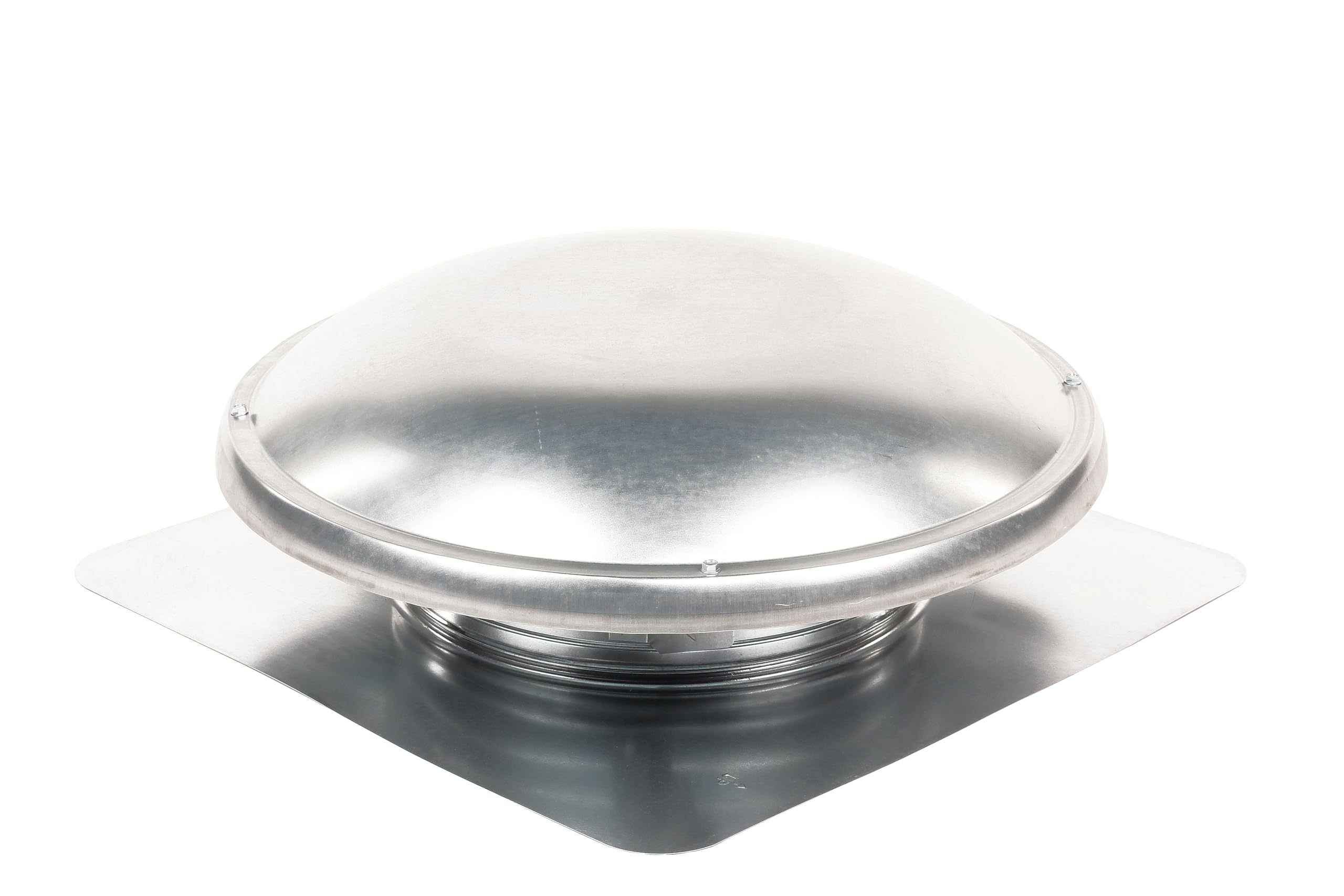
Figure 1: GAF Master Flow HCD144 Static Dome Roof Vent. This image shows the complete vent unit, featuring its dome shape and mill finish.
4. Setup and Installation
Proper installation is crucial for the effective performance of your roof vent.
4.1 Tools and Materials Required (Not Included)
- Utility knife or roofing knife
- Hammer
- Roofing nails (1.25" or 3.2 cm minimum)
- Caulking gun and roofing sealant
- Tape measure
- Pencil or marker
- Safety glasses and gloves
- Ladder
4.2 Installation Steps
- Determine Location: Select a location on the roof that is as close to the ridge as possible, ensuring adequate spacing from other roof penetrations (e.g., chimneys, other vents). Ensure the vent will not be obstructed by snow or other elements.
- Cut Opening: Using the vent's base as a template, mark and cut a circular opening in the roof sheathing. The opening should be slightly smaller than the vent's flashing to ensure a tight seal. Typically, a 12-inch diameter opening is suitable for this vent.
- Prepare Area: Remove any shingles or roofing felt around the opening to expose the roof deck. Ensure the area is clean and dry.
- Apply Sealant: Apply a generous bead of roofing sealant around the perimeter of the opening on the roof deck.
- Position Vent: Place the vent over the opening, ensuring the flashing lies flat against the roof surface. The vent should be oriented so that its design allows for optimal airflow.
- Secure Vent: Nail the vent's flashing to the roof deck using roofing nails. Place nails approximately every 6 inches around the perimeter of the flashing, ensuring they penetrate the roof sheathing.
- Seal Nails: Apply roofing sealant over all exposed nail heads to prevent water intrusion.
- Shingle Around Vent: Install new shingles or re-lay existing ones over the vent's flashing, ensuring proper overlap and water shedding. The top edge of the vent's flashing should be covered by shingles, while the bottom edge should overlap the shingles below it.
- Final Inspection: Visually inspect the installed vent and surrounding area to ensure a watertight seal and proper integration with the roof system.
5. Operating Principles
The GAF Master Flow HCD144 is a static, non-powered roof vent. It operates on the principle of natural convection and wind pressure. Hot, moist air naturally rises within the attic space. As this air rises, it exits through the vent's opening. Simultaneously, wind blowing over the vent creates a negative pressure zone, which helps to draw air out of the attic. For optimal performance, a balanced attic ventilation system requires adequate intake vents (e.g., soffit vents) to allow cooler, drier air to enter the attic as hot air exits.
6. Maintenance
Regular inspection and minimal maintenance will ensure the longevity and effectiveness of your roof vent.
- Annual Inspection: At least once a year, visually inspect the vent from the ground or a ladder (with caution). Check for any signs of damage, such as dents, cracks, or loose flashing.
- Clear Debris: Ensure the vent opening and internal screen are free from leaves, twigs, bird nests, or other debris that could obstruct airflow. Carefully remove any blockages.
- Check Sealant: Inspect the roofing sealant around the flashing for cracks or deterioration. Reapply sealant as needed to maintain a watertight seal.
- Screen Integrity: Verify that the internal screen is intact and free from holes, which could allow pests to enter the attic.
7. Troubleshooting
| Problem | Possible Cause | Solution |
|---|---|---|
| Insufficient attic ventilation (e.g., hot attic, moisture buildup) |
|
|
| Water leaks around the vent |
|
|
| Pests entering the attic through the vent |
|
|
8. Specifications
| Feature | Detail |
|---|---|
| Model Number | 18R144MIBG |
| Manufacturer | GAF |
| Brand | Master Flow |
| Net Free Ventilating Area (NFA) | 144 sq. in. |
| Construction Material | Galvanized Steel |
| Color/Finish | Mill |
| Product Dimensions | 25 x 25 x 8 inches (approximate) |
| Item Weight | 12 pounds (approximate) |
| Wind Resistance | Passes 110 MPH wind-driven rain test |
| Approvals | Miami-Dade County Approved |
9. Warranty and Support
For specific warranty information regarding your GAF Master Flow HCD144 Static Dome Roof Vent, please refer to the documentation provided at the time of purchase or visit the official GAF website.
For technical support, installation inquiries, or to report any issues, please contact GAF customer service through their official channels. Always provide your product model number (18R144MIBG) when seeking support.