
1. Introduction
This manual provides essential information for the proper installation, operation, and maintenance of your Pawfly Aquarium Air Pump. This 5W model is designed to provide consistent aeration for fish tanks up to 160 gallons, ensuring an oxygen-rich environment for aquatic life.
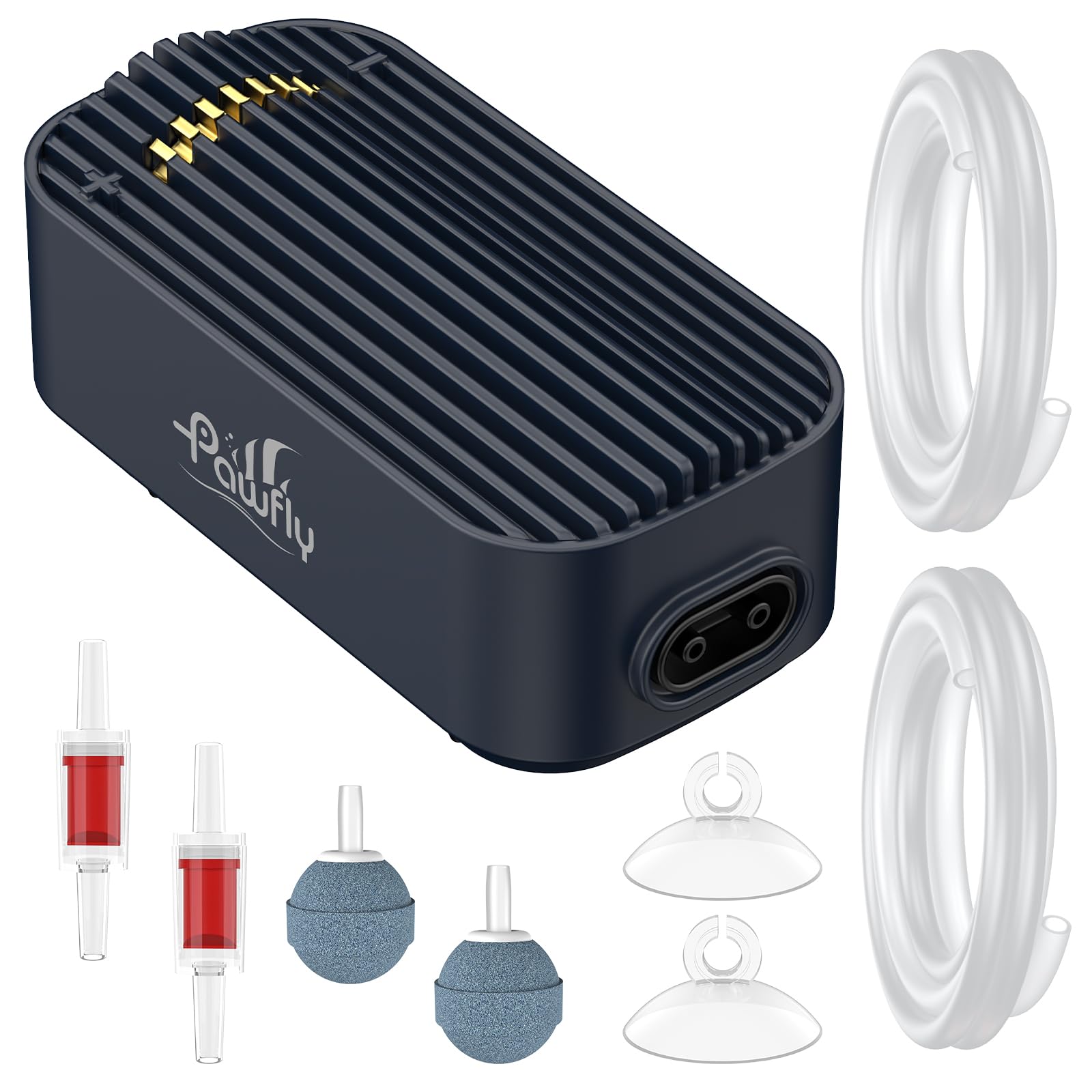
Image 1.1: Pawfly Aquarium Air Pump, 5W model. This image displays the compact design of the air pump.
Key Features:
- Steady Output: Max flow rate of 110 GPH (416 L/h) and pressure of ≥ 0.02 MPa, suitable for tanks up to 160 gallons.
- Adjustable Air Flow: Features a top control knob for fine-tuning bubble intensity.
- Reliable Construction: Built with a sturdy ABS shell and a double-layer anti-vibration pad for stability.
- Ultra-Quiet Operation: Operates at under 35 dB due to anti-vibration pads and rubber feet.
- Versatile Use: Suitable for aquariums, hydroponics, outdoor fishing, live bait transport, and fresh fish markets.
2. Package Contents
Please verify that all items listed below are included in your package. If any components are missing or damaged, contact customer support.
- 1 x Pawfly Aquarium Air Pump (5W)
- 2 x 1.5m (4.9-foot) 3/16" Airline Tubing
- 2 x Air Stones
- 2 x Check Valves
- 2 x Suction Cups
- 1 x Instruction Manual (this document)

Image 2.1: All-in-one package contents. This image shows the air pump, airline tubing, air stones, check valves, and suction cups.
3. Setup
Follow these steps to set up your Pawfly Aquarium Air Pump:
- Positioning the Pump: Place the air pump on a stable, dry surface above the water level of your aquarium. This prevents water backflow into the pump in case of a power outage. If the pump must be placed below the water level, ensure check valves are properly installed.
- Connect Airline Tubing: Attach one end of the airline tubing to each air outlet on the pump. The pump features dual outlets for flexible aeration options.
- Install Check Valves: Cut the airline tubing and insert a check valve into each line. Ensure the check valve is oriented correctly to allow air to flow towards the aquarium and prevent water from flowing back to the pump.
- Attach Air Stones: Connect the other end of the airline tubing (after the check valve) to the air stones.
- Place Air Stones in Aquarium: Submerge the air stones in your aquarium. Use the provided suction cups to secure the airline tubing along the back or side of the tank, if desired.
- Connect to Power: Plug the power cord into a suitable electrical outlet. Ensure your hands are dry before handling the plug.

Image 3.1: Air pump dimensions. The pump measures approximately 5.3 inches (13.5 cm) in length, 2 inches (5 cm) in height, and 2.75 inches (7 cm) in width.
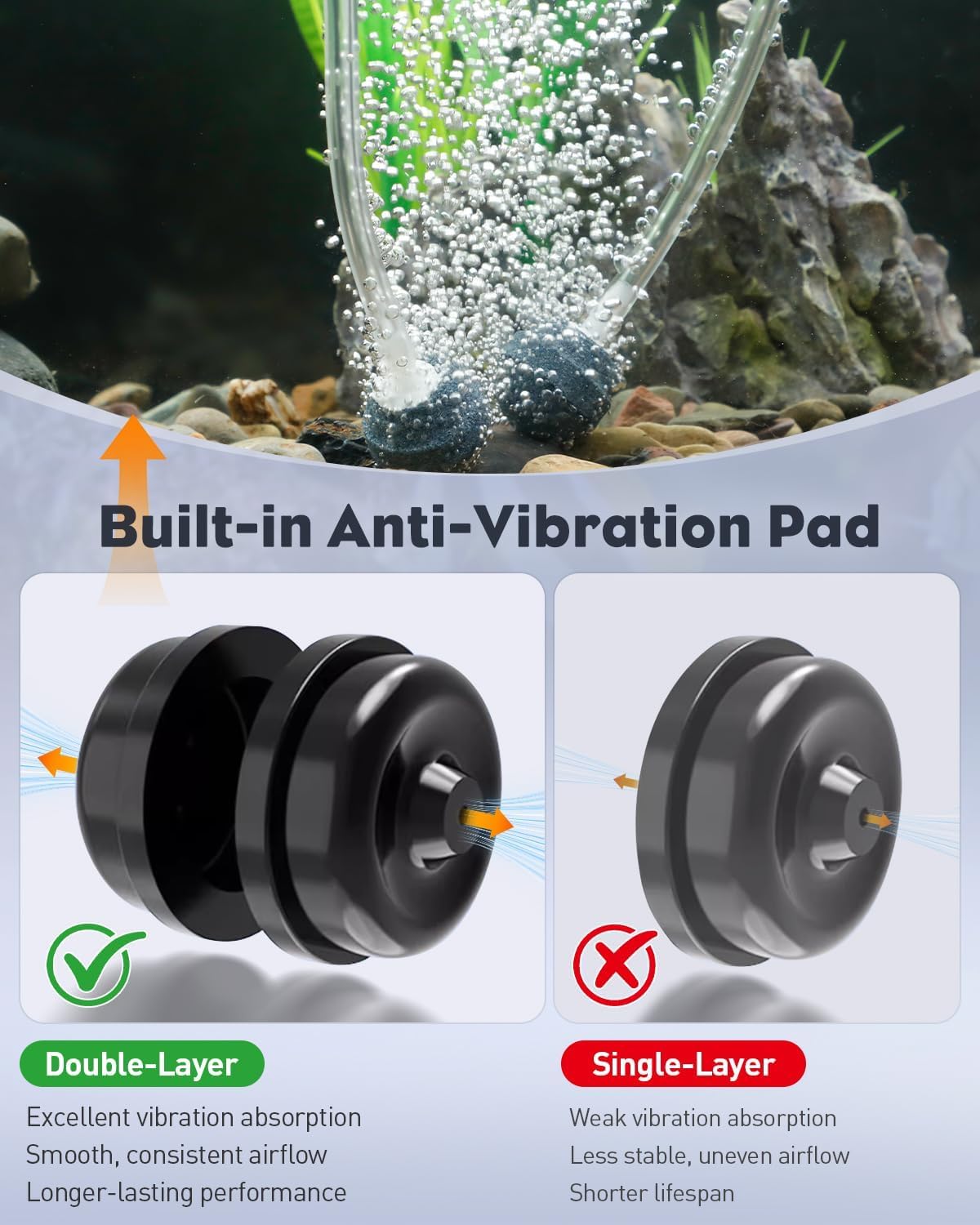
Image 3.2: Built-in anti-vibration pad. This diagram illustrates the double-layer anti-vibration pad designed for excellent vibration absorption and consistent airflow.
4. Operating Instructions
Once the pump is set up and connected to power, it will begin operating. The Pawfly Aquarium Air Pump is designed for continuous operation.
Adjusting Air Flow:
The air pump features a top control knob to adjust the air output. Rotate the knob to increase or decrease the intensity of bubbles from the air stones. This allows you to tailor the oxygen delivery to the specific needs of your aquatic environment.
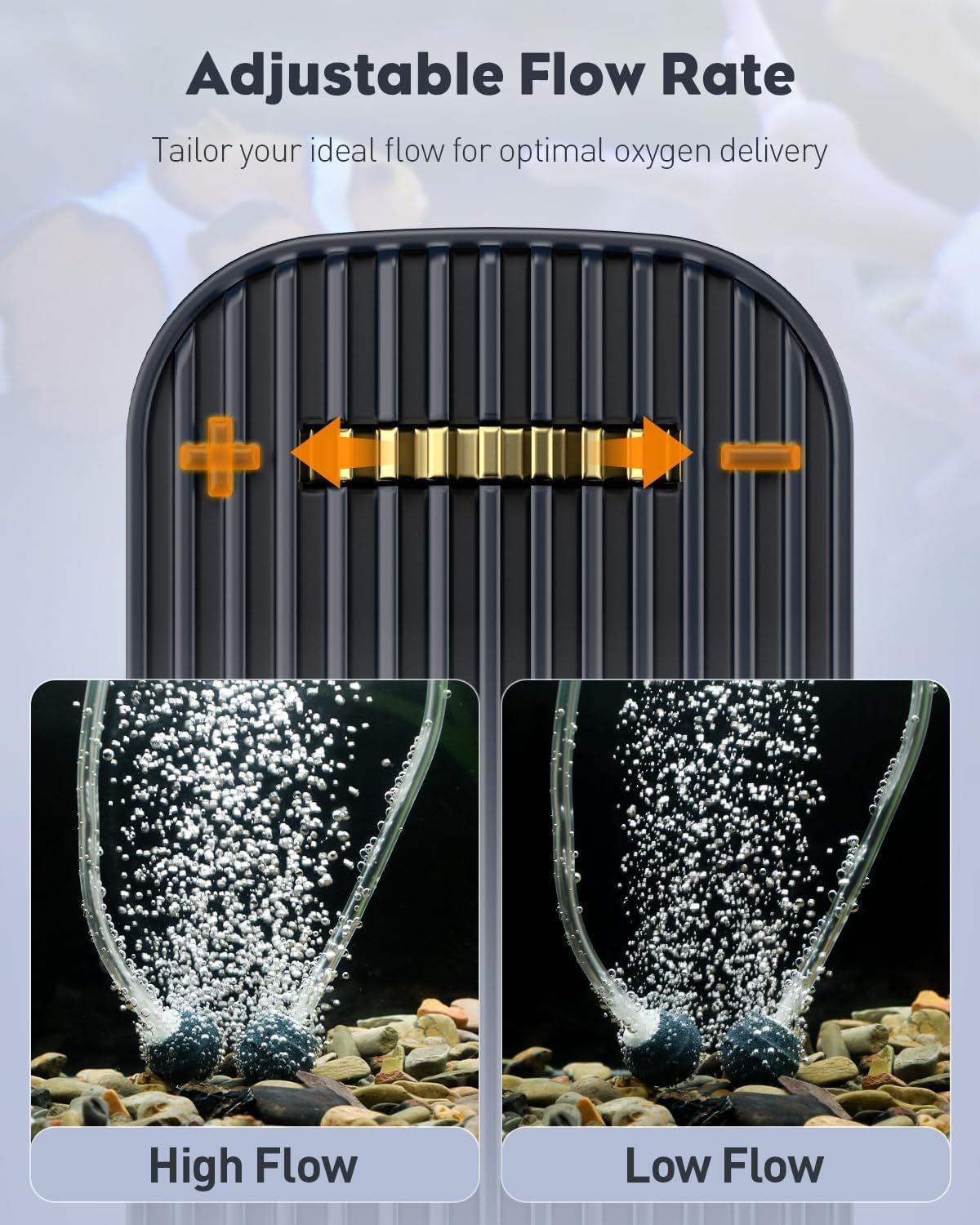
Image 4.1: Adjustable flow rate. This image demonstrates the difference between high flow (vigorous bubbles) and low flow (soft bubbles) achievable by adjusting the top knob.
Ultra-Quiet Operation:
The pump is engineered to operate below 35 dB, minimizing noise disturbance. This quiet performance is achieved through its anti-vibration pad and four rubber feet, which absorb shocks and reduce operational sound.

Image 4.2: Ultra-quiet operation. This image illustrates the pump operating quietly, indicated by a <35 dB rating, suitable for placement in living areas without disturbing sleep.
5. Maintenance
Regular maintenance ensures optimal performance and longevity of your air pump.
- Air Stone Cleaning: Periodically clean or replace air stones as they can become clogged with algae or mineral deposits, reducing airflow.
- Tubing Inspection: Check airline tubing for kinks, cracks, or blockages. Replace damaged tubing to maintain efficient air delivery.
- Pump Exterior: Wipe the exterior of the pump with a dry cloth to remove dust. Do not submerge the pump in water.
- Placement: Ensure the pump remains on a dry, stable surface and is not exposed to direct water splashes.
6. Troubleshooting
If you encounter issues with your air pump, refer to the following common problems and solutions:
| Problem | Possible Cause | Solution |
|---|---|---|
| No air output or weak airflow |
|
|
| Excessive noise |
|
|
| Water backflow into pump |
|
|
7. Specifications
| Feature | Detail |
|---|---|
| Model | B0FVL86KHP |
| Power | 5 W |
| Max Flow Rate | 110 GPH (416 L/h) |
| Pressure | ≥ 0.02 MPa |
| Noise Level | Under 35 dB |
| Recommended Tank Size | Up to 160 Gallons |
| Material | ABS Plastic |
| Power Source | Corded Electric |
| Color | Black |
| Package Dimensions | 6.18 x 3.98 x 3.9 inches; 15.84 ounces |
8. Safety Information
- Always disconnect the power supply before performing any maintenance or handling the pump.
- Do not operate the pump if the power cord or plug is damaged.
- This appliance is for indoor use only.
- Keep out of reach of children.
- Ensure a drip loop is formed with the power cord to prevent water from traveling along the cord and reaching the electrical outlet.
9. Warranty and Support
The Pawfly Aquarium Air Pump comes with a 1-Year Warranty from the date of purchase. This warranty covers manufacturing defects under normal use.
For warranty claims, technical support, or any questions regarding your product, please contact Pawfly customer service through the retailer's platform or the official Pawfly website.
10. Versatile Applications
Beyond traditional aquariums, the Pawfly Air Pump is suitable for various applications requiring aeration:
- Hydroponics: Provides essential oxygen to plant roots in hydroponic systems.
- Outdoor Fishing: Keeps live bait oxygenated during transport.
- Live Fish Markets: Maintains oxygen levels for fresh fish displays.
- Ponds: Can be used for small pond aeration.

Image 10.1: Versatile use cases. This image displays the air pump's applicability in different environments such as ponds, hydroponic setups, and various fish tank configurations.