
1. Introduction and Overview
Thank you for choosing the yeagulch 12V 600Ah LiFePO4 Battery. This high-performance lithium iron phosphate battery is designed for a wide range of applications including RVs, solar energy systems, camping, off-grid power, and home energy storage. Featuring a built-in 200A Battery Management System (BMS), this battery offers advanced protection and a long cycle life, making it a reliable power solution.
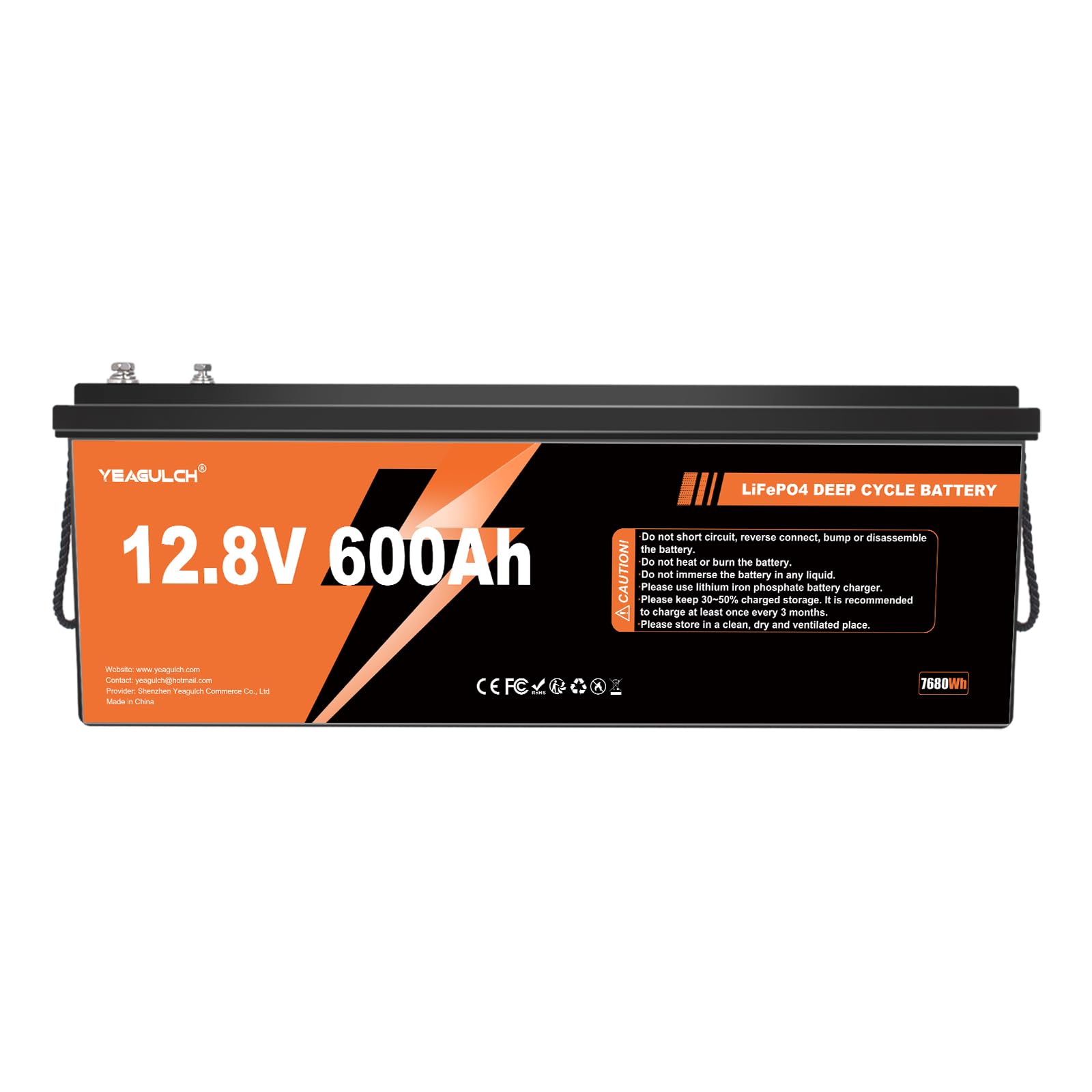
Image 1.1: The yeagulch 12V 600Ah LiFePO4 Battery, a robust power solution for various applications.
2. Safety Information
Please read all safety instructions carefully before installation and use. Failure to follow these instructions may result in serious injury, property damage, or voiding of the warranty.
- General Handling: Always handle the battery with care. Avoid dropping or subjecting it to severe impacts.
- Ventilation: Ensure adequate ventilation around the battery, especially during charging and discharging, to prevent heat buildup.
- Short Circuits: Prevent short circuits by ensuring terminals are properly covered and connections are secure. Do not place metallic objects on top of the battery.
- Disassembly: Do not attempt to disassemble, modify, or repair the battery. The internal components are not user-serviceable. Contact qualified personnel for assistance.
- Temperature: Operate and store the battery within the specified temperature ranges. Extreme temperatures can affect performance and safety.
- Water Exposure: Keep the battery away from water, moisture, and corrosive substances.
- Children and Pets: Keep the battery out of reach of children and pets.
- Fire Hazard: Do not expose the battery to fire or extreme heat.
The built-in Battery Management System (BMS) provides multiple layers of protection, including overcharge, over-discharge, over-current, and over-temperature protection. However, it is essential to adhere to these safety guidelines for optimal and safe operation.
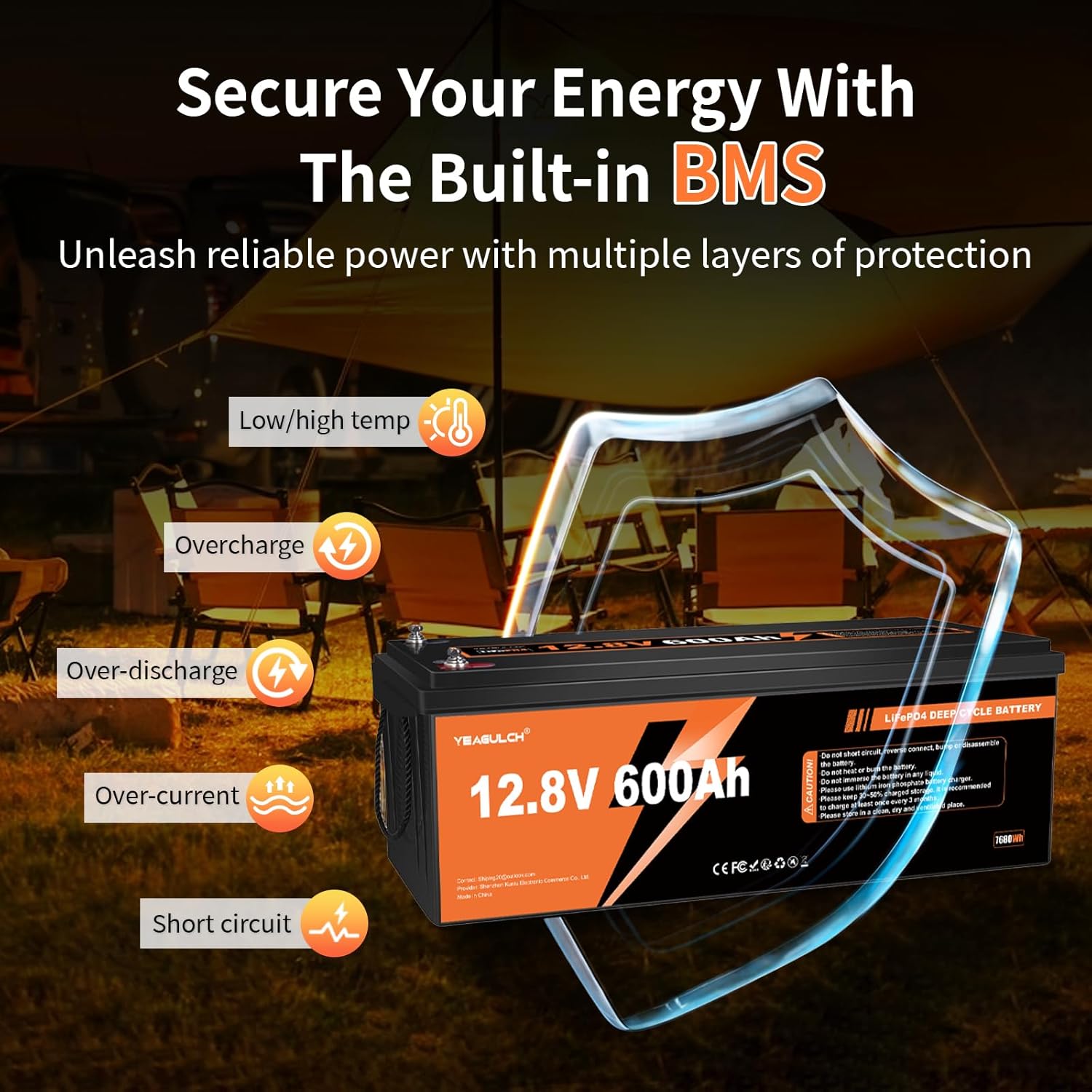
Image 2.1: Visual representation of the built-in BMS protections, including low/high temperature, overcharge, over-discharge, over-current, and short circuit protection.
3. Setup
3.1 Unpacking and Inspection
Upon receiving your yeagulch LiFePO4 battery, carefully unpack it and inspect for any signs of physical damage. If any damage is observed, contact your supplier immediately.
3.2 Initial Charge
It is recommended to fully charge the battery before its first use to ensure optimal performance and calibration of the BMS.
3.3 Connection
The battery features M8-16mm terminals. Ensure all connections are clean, tight, and properly insulated to prevent arcing or short circuits. Use appropriate cable gauges for your application to handle the expected current draw.
- Series Connection: Up to 4 units can be connected in series to achieve higher voltage systems (e.g., 48V). Ensure all batteries are of the same model and state of charge before connecting in series.
- Parallel Connection: Up to 4 units can be connected in parallel to increase overall capacity. Ensure all batteries are of the same model and state of charge before connecting in parallel.
- Compatibility: This battery is compatible with mainstream inverters and chargers designed for LiFePO4 batteries. Verify compatibility before connecting.
3.4 Mounting
Mount the battery in a secure, dry, and well-ventilated location. Ensure it is protected from direct sunlight, rain, and extreme temperatures. The battery weighs approximately 104 pounds, so ensure the mounting surface can support its weight.

Image 3.1: Detailed dimensions of the yeagulch 12V 600Ah LiFePO4 Battery, including measurements with and without the handle.
4. Operating Instructions
4.1 Charging
Use a dedicated LiFePO4 charger with appropriate voltage and current settings. The BMS will protect against overcharging. The recommended charging temperature range is 32°F (0°C) to 149°F (65°C). Charging below 32°F (0°C) is not recommended and may be prevented by the BMS.
4.2 Discharging
The battery can be discharged within a temperature range of -4°F (-20°C) to 158°F (70°C). The BMS will protect against over-discharge and over-current conditions. For optimal cycle life, it is recommended to operate within an 80% Depth of Discharge (DoD).

Image 4.1: The battery's ability to operate reliably in extreme temperatures, showing discharging and charging temperature ranges.
4.3 Applications
This battery is suitable for a wide range of applications:
- RV and Marine: Provides reliable power for recreational vehicles and boats.
- Solar Energy Storage: Ideal for storing energy generated by solar panels.
- Off-Grid Systems: Powers remote cabins and off-grid homes.
- Camping: Portable and efficient power for outdoor adventures.
- Home Energy Storage: Backup power or primary storage for residential use.
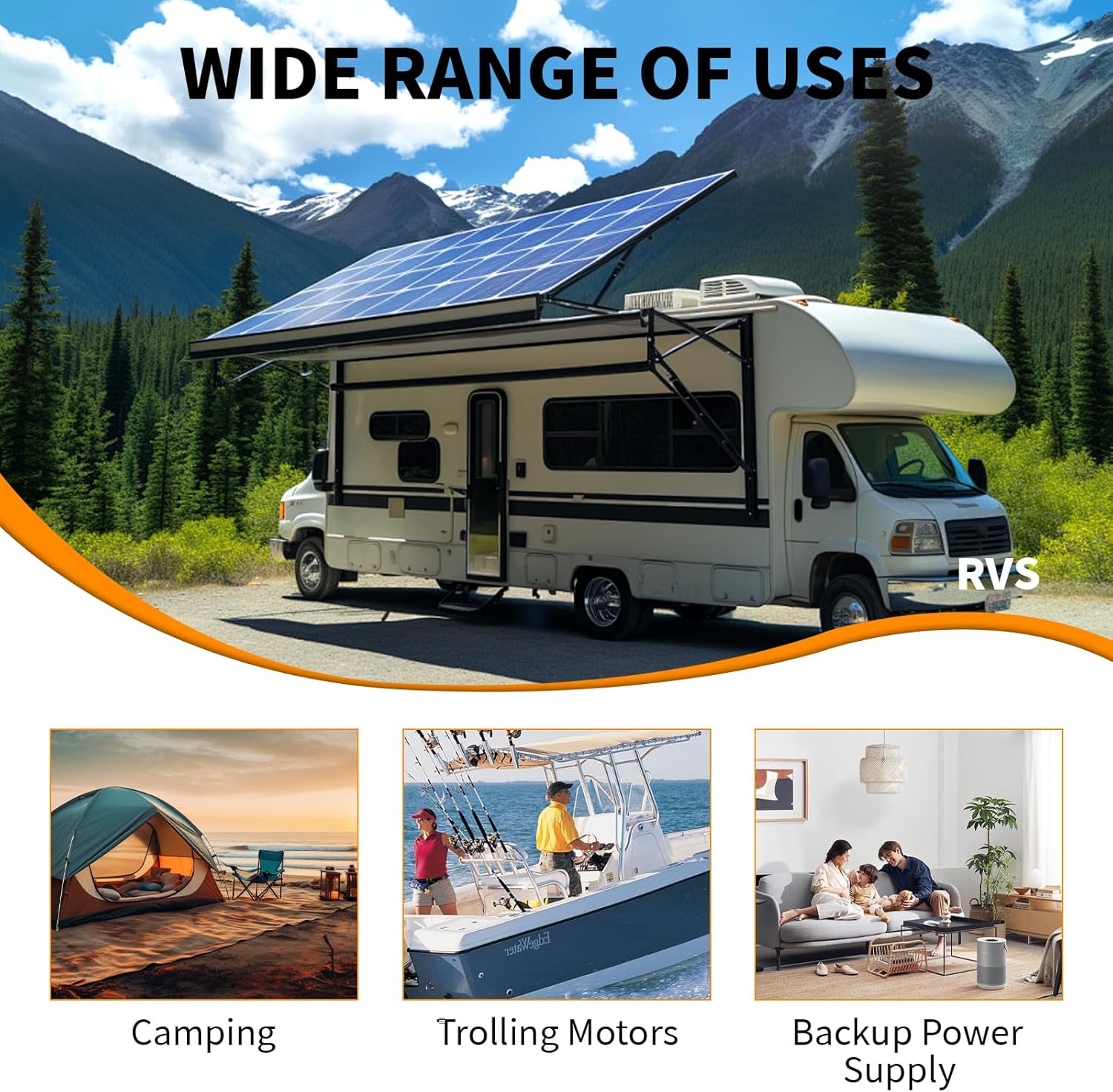
Image 4.2: Examples of the battery's wide range of uses, including RVs, camping, trolling motors, and backup power supply.
5. Maintenance
LiFePO4 batteries require minimal maintenance. Follow these guidelines to ensure longevity:
- Regular Inspection: Periodically check battery terminals and connections for corrosion or looseness. Clean as necessary.
- Cleanliness: Keep the battery surface clean and free of dust and debris.
- Storage: For long-term storage, charge the battery to approximately 50% State of Charge (SoC) and store in a cool, dry place within the recommended temperature range. Avoid storing a fully discharged battery.
6. Troubleshooting
If you encounter issues with your yeagulch LiFePO4 battery, consider the following common troubleshooting steps:
- Battery Not Charging:
- Check all connections for tightness and proper polarity.
- Verify the charger is compatible with LiFePO4 batteries and is functioning correctly.
- Ensure the ambient temperature is within the charging range (above 32°F / 0°C). The BMS may prevent charging in cold conditions.
- Confirm the battery voltage is not too low, which might require a specific recovery charge from a compatible charger.
- Battery Not Discharging/No Power Output:
- Check all load connections and ensure they are secure.
- Verify the battery's State of Charge (SoC). The BMS will disconnect the battery if it's over-discharged.
- Check for an over-current condition. The BMS will disconnect if the load draws too much current. Reduce the load.
- Ensure the ambient temperature is within the discharging range.
- Unusual Odor or Swelling: Immediately disconnect the battery and contact support. Do not attempt to use or charge the battery.
For persistent issues or concerns not addressed here, please contact yeagulch customer support.
7. Specifications
| Feature | Specification |
|---|---|
| Model Number | 379600AH |
| Nominal Voltage | 12V |
| Nominal Capacity | 600Ah |
| Energy | 7680Wh |
| Built-in BMS | 200A |
| Cycle Life | 8000+ cycles at 80% DoD |
| Weight | Approximately 104 lbs (47.17 kg) |
| Dimensions (L x W x H) | 24.09 in x 9.64 in x 8.86 in (61.19 cm x 24.49 cm x 22.50 cm) |
| Terminals | M8-16mm |
| Discharging Temperature | -4°F to 158°F (-20°C to 70°C) |
| Charging Temperature | 32°F to 149°F (0°C to 65°C) |
8. Warranty and Support
8.1 Warranty Information
yeagulch provides a 5-year warranty for the 12V 600Ah LiFePO4 battery. This warranty covers defects in materials and workmanship under normal use and service conditions.
8.2 Customer Support
Should you encounter any issues during use, or require assistance, yeagulch is committed to providing comprehensive support. Our support team will:
- Analyze the problem to identify the root cause.
- Assist in resolving the issue with clear instructions.
- Work to restore battery functionality if a repair or replacement is necessary.
- Provide guidance on optimal usage practices to maximize battery life and performance.
For warranty claims or technical support, please refer to the contact information provided with your purchase or visit the official yeagulch website.