
HAKUBATT D-750-10 2025IB-BKJP
HAKUBATT Camera Compatible Battery User Manual
Model: D-750-10 2025IB-BKJP
Introduction
Thank you for choosing the HAKUBATT Camera Compatible Battery. This manual provides essential information for the safe and effective use of your new battery. Please read it thoroughly before use and keep it for future reference.

Image: The HAKUBATT LI-50B compatible camera battery, showing its compact design and labeling.
Key Features
- Product Specifications: Rated Voltage: 3.7V | Capacity: 925mAh. Reliably supports devices with stable power supply.
- Multiple Protection Functions: Built-in safety circuits such as overcurrent protection, overcharge prevention, and over-discharge prevention. Protects your device and ensures safe use.
- Portability & Convenience: Lightweight design makes it easy to carry, usable for travel and outings.

Image: A visual representation of the battery's six-fold safety protection, including overcharge, temperature, impact, durability, and over-discharge protection.
Setup
Initial Charging
When using the battery for the first time, please ensure it is fully charged. This helps to calibrate the battery and optimize its performance.
To achieve optimal performance, it is recommended to go through several charge-discharge cycles after initial use.

Image: The HAKUBATT battery highlighting its 3.7V voltage and 925mAh capacity, indicating its power capabilities.
Operating Instructions
Battery Insertion and Removal
Carefully insert the battery into your compatible camera or device, ensuring correct polarity. To remove, follow your device's instructions for battery release.

Image: A hand demonstrating the insertion of the HAKUBATT battery into a camera, emphasizing its high-density lithium-ion cell and barrier-free connection.
Maintenance and Storage
- Store the battery in a dry, shaded place.
- Avoid storing in hot, humid places or direct sunlight.
- If the battery will not be used for a long period, remove it from the device and store it separately.

Image: The HAKUBATT battery being placed into a bag, illustrating its compact size and convenience for travel and outdoor photography.
Troubleshooting
If you experience issues with battery performance, ensure it is fully charged. Charging time may vary depending on the charger used, battery condition, and voltage stability.
If problems persist, refer to the safety warnings section to ensure proper handling and storage.
Specifications
| Attribute | Value |
|---|---|
| Brand Name | HAKUBATT |
| Manufacturer | HAKUBATT |
| Product Model Number | D-750-10 2025IB-BKJP |
| Package Dimensions | 5.8 x 4.1 x 1.45 cm; 150 g |
| Battery Type | Lithium Polymer |
| Number of Batteries | 1 Lithium Polymer battery |
| Battery Capacity | 925 mAh |
| Voltage | 3.7 Volts |
| First Available Date on Amazon.co.jp | 2025/9/2 |
Important Safety Warnings
- DO NOT disassemble or short-circuit the battery. This may cause damage or fire.
- DO NOT throw into fire, damage, or subject to impact. There is a risk of smoke or explosion.
- AVOID storing in hot, humid places or direct sunlight.
- Usage in enclosed spaces is PROHIBITED. Hydrogen gas may be generated in poorly ventilated areas, posing an explosion risk.
Warranty and Support
This HAKUBATT battery comes with a 1-year warranty from the date of purchase, ensuring high-quality battery cells and a design that prioritizes safety.
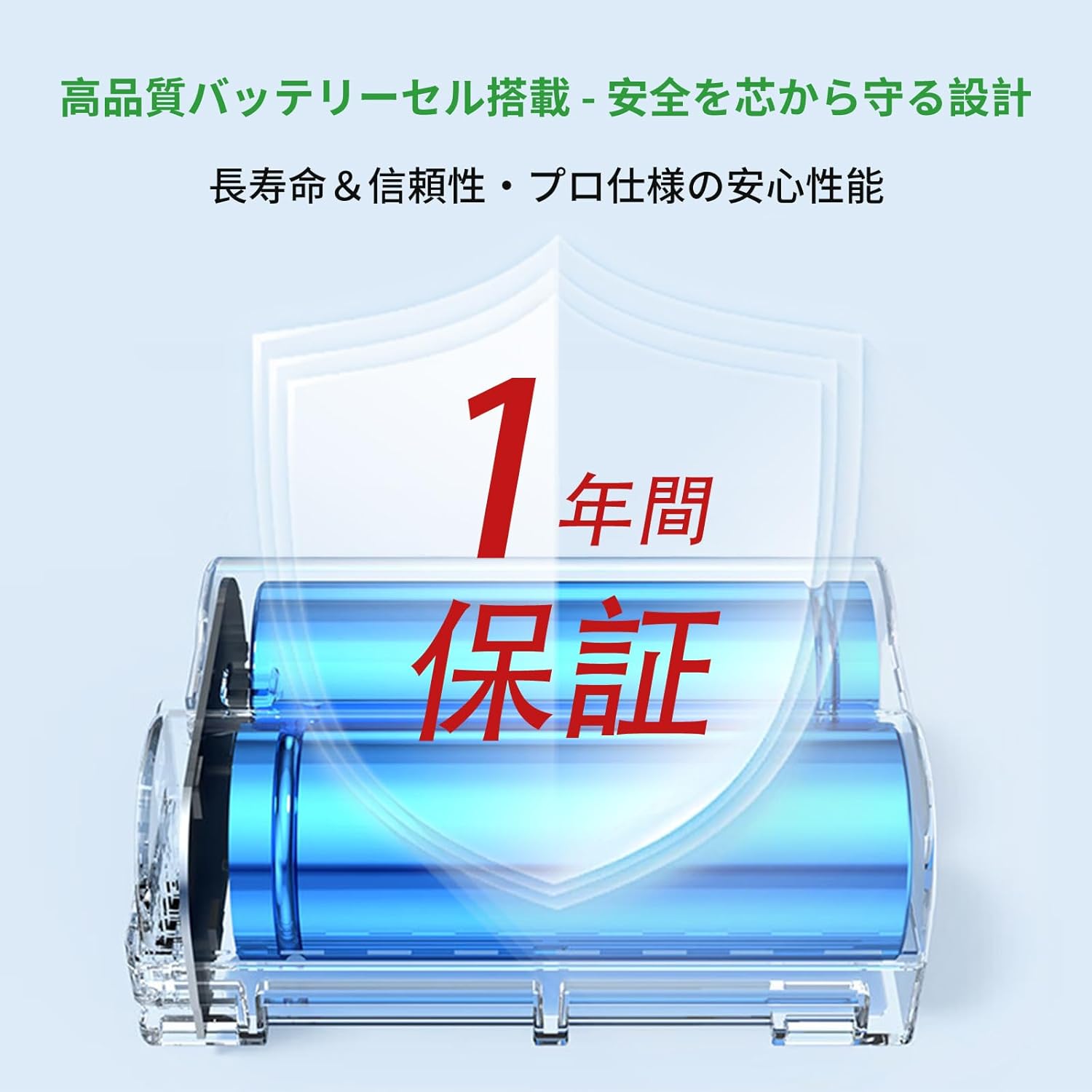
Image: A graphic highlighting the 1-year warranty provided for the HAKUBATT battery, emphasizing its quality and reliability.
For any inquiries or support, please contact your retailer or the HAKUBATT customer service.
Ask a question about this manual
Ask about setup, troubleshooting, compatibility, parts, safety, or missing instructions. Manuals+ will review the question and use this page’s manual context to help answer it.