1. Introduction
This manual provides comprehensive instructions for the safe and efficient operation, setup, and maintenance of your Creality Sermoon S1 3D Scanner. Please read this manual thoroughly before using the device to ensure proper functionality and to prevent damage.
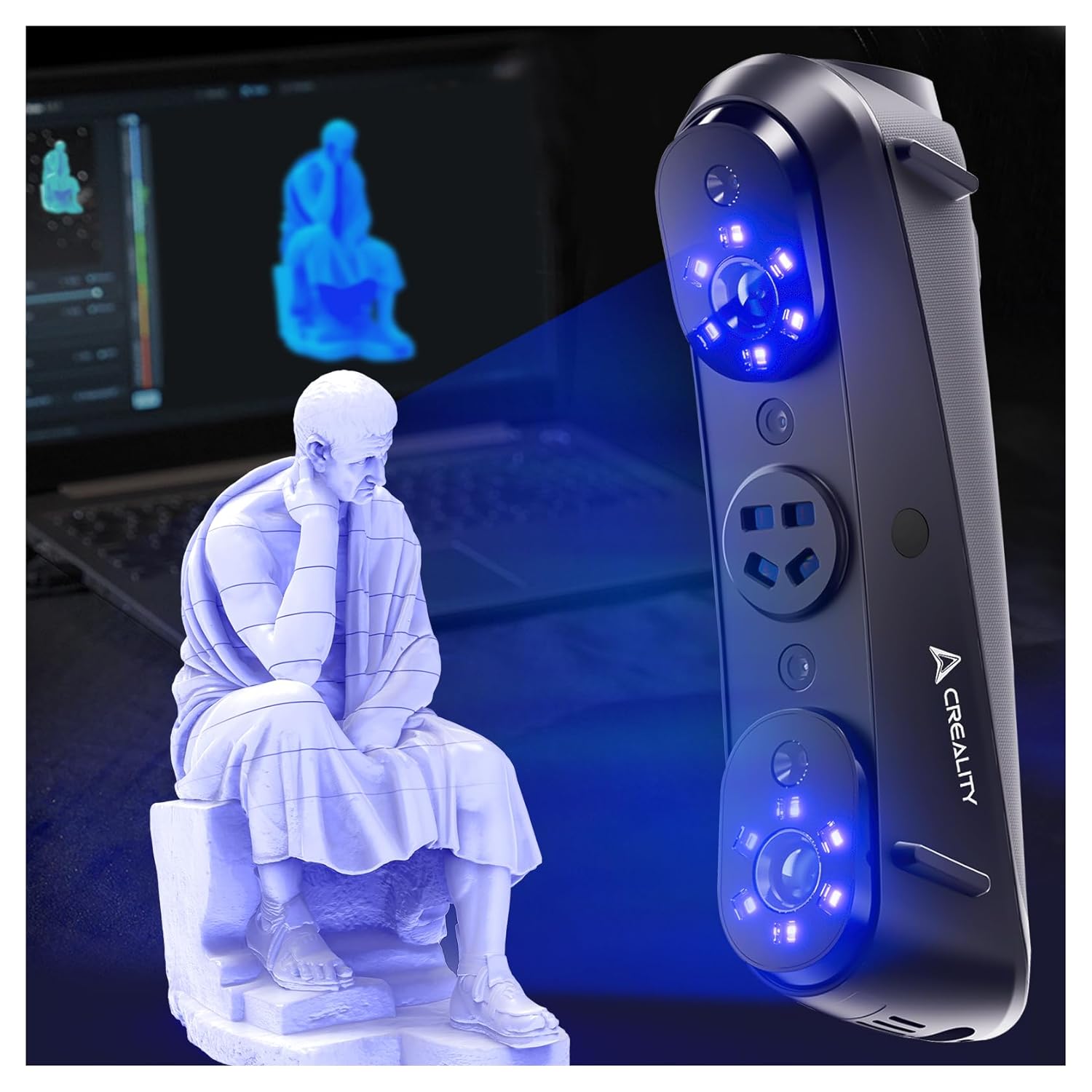
Figure 1.1: Creality Sermoon S1 3D Scanner in use, capturing detailed 3D data from an object.
2. Product Overview
2.1 Key Features
- 3-in-1 Blue Laser Lines: Features exclusive single-line deep hole scanning technology for detecting and collecting 3D data from deep holes and blind spots. Includes 34 cross laser lines for quick scanning of medium to large objects with reliable accuracy, and 7 parallel laser lines for markerless scanning with 0.02mm precision, capturing sharper edges and richer details.
- Innovative 4-Lens NIR Structured Light: Equipped with standard stereo lenses for high-accuracy scanning and wide FOV lenses for an ultra-wide field of view, enabling fast, marker-free scanning of large objects and human bodies. This design reduces the number of required markers and enhances tracking stability and scanning efficiency.
- High Accuracy: Achieves a minimum scanning accuracy of 0.02 mm and a minimum volumetric accuracy of 0.02mm + 0.08mm/m, providing metrology-grade precision suitable for high-accuracy, non-destructive inspection across various industries.
- High Efficiency: Features 90FPS high-speed scanning, capable of data acquisition speeds up to 1,428,000 points per second. The maximum scanning frame rate is 90 frames per second for 7 parallel lines/single line, and up to 70 fps for 34 cross lines.
- Versatile Object Scanning: Supports scanning objects ranging from 5mm³ to 4000mm³. The combination of blue line laser and infrared structured light allows scanning of most objects, including complex materials like black and reflective workpieces, black hair, and multi-colored items, without requiring powder spraying.
- Environmental Adaptability: Performs consistently in various lighting conditions, from bright outdoor light to complete indoor darkness.
- Expandable Scan Bridge Support: Allows switching between wired and wireless scanning modes for enhanced mobility and unrestricted scanning freedom.
- Intelligent Smart Stabilization: Incorporates an AI-driven temperature compensation algorithm and an efficient thermal management system to maintain stable output during prolonged scanning sessions.
- CrealityScan 4.0 Software: An upgraded professional 3D scanning software with a user-friendly design, powerful image and point cloud processing, step-by-step tutorials, one-click model processing, and intuitive editing tools. Compatible with Windows, macOS, Android, and iOS.
2.2 Visual Overview of Features
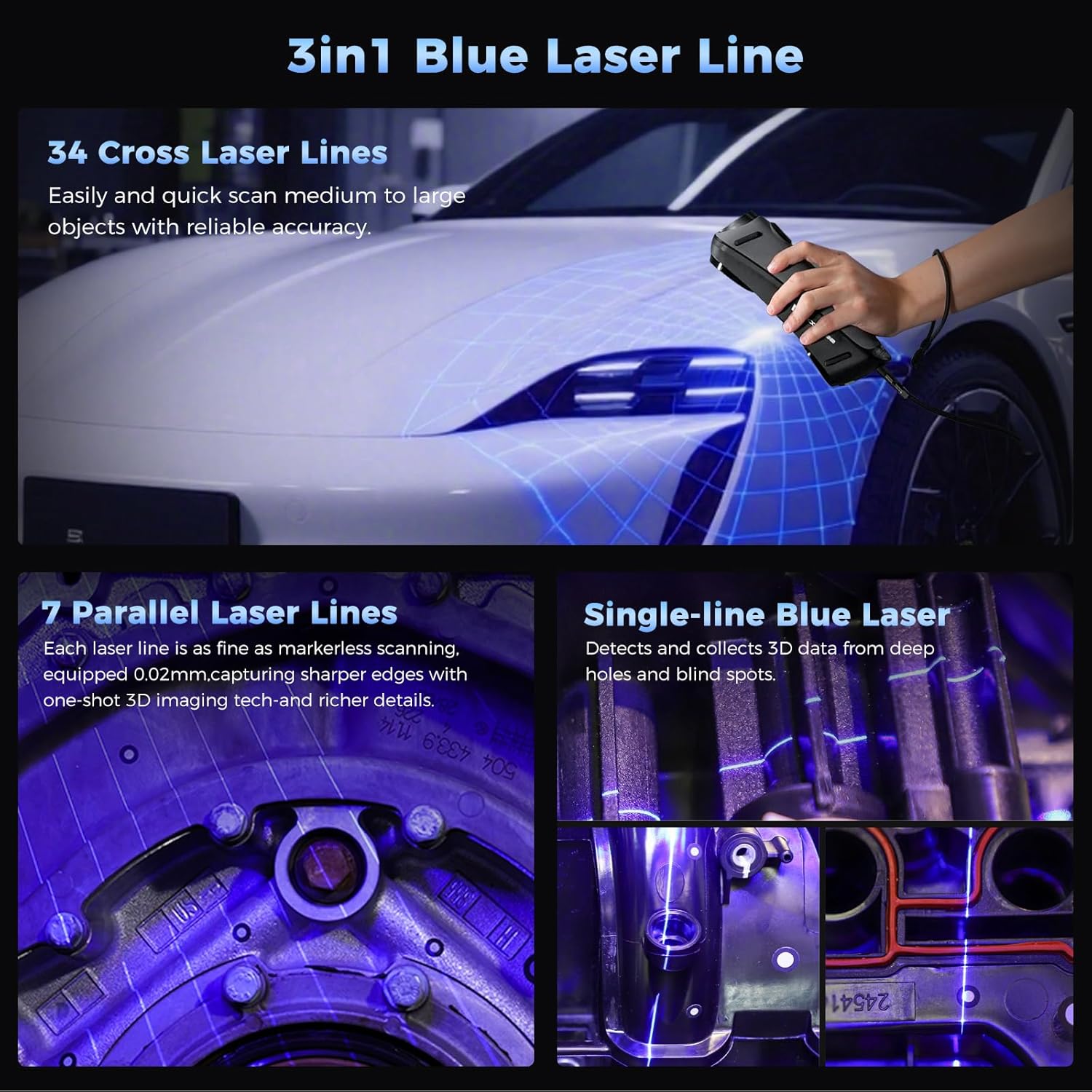
Figure 2.1: Illustration of the Sermoon S1's 3-in-1 Blue Laser Line technology, highlighting its versatility for various scanning needs.

Figure 2.2: Depiction of the 4-Lens NIR Structured Light system, enabling both high-accuracy and wide-field scanning.

Figure 2.3: The Sermoon S1 performing high-speed scanning, illustrating its rapid data acquisition rate.

Figure 2.4: The Sermoon S1's capability to scan challenging materials and operate effectively in diverse environments.

Figure 2.5: The wide range of object sizes the Sermoon S1 can effectively scan.
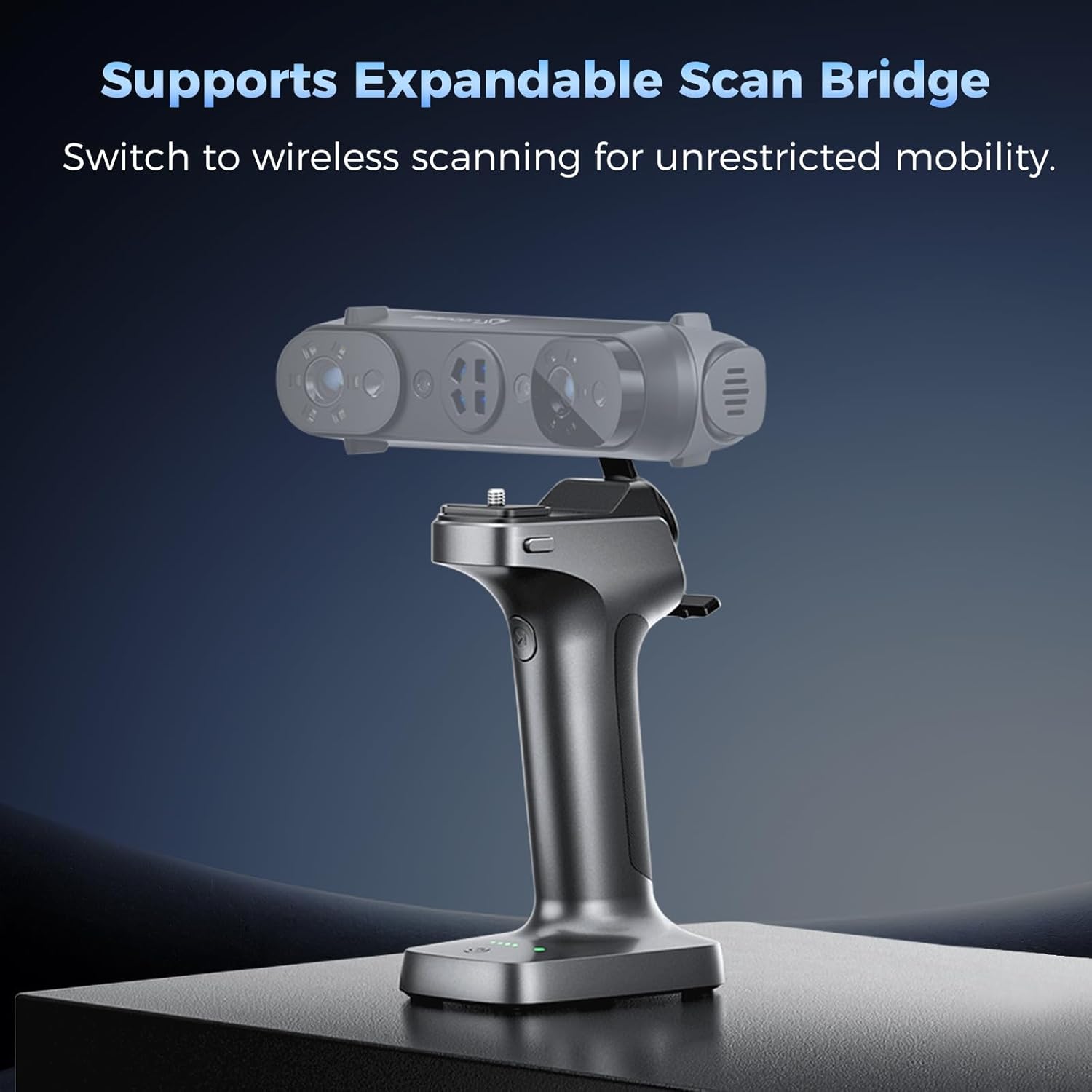
Figure 2.6: The Sermoon S1 with the optional Scan Bridge for wireless operation.

Figure 2.7: Representation of the Sermoon S1's intelligent stabilization system for consistent performance.

Figure 2.8: Overview of the CrealityScan 4.0 software interface and its multi-platform compatibility.
3. Setup Guide
3.1 Unboxing and Package Contents
Carefully unpack all components from the box. Verify that all items listed below are present and undamaged. If any items are missing or damaged, please contact customer support.

Figure 3.1: Contents included in the Sermoon S1 package.
- Sermoon S1 3D Scanner
- USB 3.0 Data Cable (Type-C / Type-A)
- Power Plug
- Reflective Markers (D6mm*10 sheets, D3mm*10 sheets)
- High-precision Glass Calibration Plate
- Type-C Adapter
- Lanyard
- Cleaning Cloth
- Quick Start Guide
- Certificate of Conformity & Warranty Card
- Waterproof Box
3.2 Hardware Connection
- Connect the USB 3.0 data cable to the Sermoon S1 scanner.
- Connect the other end of the USB 3.0 data cable to a compatible USB 3.0 port on your computer.
- If using the power plug, connect it to the scanner and a power outlet.
- For wireless scanning, ensure the optional Scan Bridge is properly connected and powered, then connect the scanner to the Scan Bridge.
3.3 Software Installation (CrealityScan 4.0)
Download the latest version of CrealityScan 4.0 software from the official Creality website. Follow the on-screen instructions to complete the installation. The software is compatible with Windows, macOS, Android, and iOS.
- For Windows/macOS: Run the installer and follow the prompts.
- For Android/iOS: Download the app from your device's respective app store.
4. Operating Instructions
4.1 Initial Calibration
Before your first scan, or if scanning accuracy seems compromised, perform a calibration using the provided high-precision glass calibration plate. Refer to the CrealityScan 4.0 software's calibration guide for detailed steps.
4.2 Basic Scanning Process
- Prepare the Object: Ensure the object to be scanned is clean and stable. For objects with uniform, reflective, or very dark surfaces, consider using the provided reflective markers if the software prompts or if scanning is difficult. The Sermoon S1 is designed to minimize the need for powder spraying on black/metal objects.
- Launch CrealityScan 4.0: Open the software on your computer or mobile device.
- Select Scanning Mode: Choose the appropriate scanning mode (e.g., 34 Cross Laser Lines for large objects, 7 Parallel Laser Lines for detailed markerless scans, or Single-line Blue Laser for deep holes) based on the object's size and complexity.
- Start Scanning: Follow the on-screen instructions in the software to begin the scanning process. Maintain a steady hand and appropriate distance from the object as indicated by the software's real-time feedback.
- Data Acquisition: The scanner will capture point cloud data. Ensure complete coverage of the object.
- Processing and Export: After scanning, use the software's tools for point cloud processing, mesh generation, and model editing. Export the final 3D model in your desired format.
4.3 Tips for Optimal Scanning
- Lighting Conditions: While the Sermoon S1 performs well in varied lighting, consistent and diffused lighting can improve results. Avoid direct, harsh light sources that may cause excessive glare.
- Object Stability: Ensure the object remains stationary throughout the scan. Use a stable surface or fixture if necessary.
- Scanner Movement: Move the scanner smoothly and consistently around the object. Avoid sudden movements or changes in distance.
- Marker Placement (if needed): If using reflective markers, place them strategically on the object to provide sufficient reference points for the scanner, especially on featureless or highly uniform surfaces.
- Software Feedback: Pay close attention to the real-time feedback provided by CrealityScan 4.0, which can guide you on optimal scanning distance and coverage.
5. Maintenance
5.1 Cleaning the Scanner
Regular cleaning helps maintain the scanner's performance and longevity.
- Use the provided cleaning cloth or a soft, lint-free cloth to gently wipe the scanner's lenses and body.
- Do not use abrasive cleaners, solvents, or harsh chemicals, as these can damage the optical components or casing.
- Ensure the scanner is powered off and disconnected from any power source before cleaning.
5.2 Storage
When not in use, store the Sermoon S1 scanner in its waterproof box or a clean, dry, and dust-free environment. Avoid extreme temperatures or humidity.
6. Troubleshooting
| Problem | Possible Cause | Solution |
|---|---|---|
| Scanner not recognized by computer. | Loose cable connection, incorrect USB port, driver issue. | Ensure USB 3.0 cable is securely connected. Try a different USB 3.0 port. Reinstall CrealityScan 4.0 software to ensure drivers are correctly installed. |
| Poor scanning accuracy or incomplete scans. | Insufficient lighting, object movement, incorrect scanning distance, lack of reference points. | Ensure adequate and diffused lighting. Secure the object to prevent movement. Maintain optimal scanning distance as indicated by software. Use reflective markers on featureless surfaces. Perform calibration. |
| Software crashes or freezes. | Outdated software, insufficient system resources, conflicting software. | Update CrealityScan 4.0 to the latest version. Close other demanding applications. Ensure your computer meets the minimum system requirements. |
| Cannot scan black or reflective objects. | Challenging material properties. | While Sermoon S1 is designed for these materials, extreme cases may require careful marker placement or a light, temporary matte spray (if applicable and safe for the object). Ensure proper scanning mode is selected. |
For further assistance, please refer to the detailed troubleshooting section in the CrealityScan 4.0 software help menu or visit the official Creality support website.
7. Specifications
| Feature | Detail |
|---|---|
| Model Number | Sermoon S1 |
| Scanning Accuracy | Minimum 0.02 mm |
| Volumetric Accuracy | 0.02mm + 0.08mm/m |
| Scanning Speed | Up to 1,428,000 points per second |
| Frame Rate | Up to 90 FPS (7 parallel lines/single line), 70 FPS (34 cross lines) |
| Scanning Range | 5mm³ - 4000mm³ |
| Light Source | Blue Laser Lines, NIR Structured Light |
| Software Compatibility | CrealityScan 4.0 (Windows, macOS, Android, iOS) |
| Dimensions (Package) | 13.86 x 12.36 x 6.54 inches |
| Weight (Item) | 9 Pounds |
| Manufacturer | Creality |
8. Warranty and Support
The Creality Sermoon S1 3D Scanner comes with a warranty. Please refer to the "Warranty Card" included in your package for specific terms and conditions, including warranty period and coverage details.
For technical support, software updates, or additional resources, please visit the official Creality support website or contact their customer service department. Contact information can typically be found on the Creality website or in the quick start guide.
Creality Official Website: www.creality.com