
1. Introduction
This manual provides essential information for the safe and effective use of your VEVOR Hand Chain Hoist, Model HS-C-3T-3M. Please read and understand all instructions before operating the hoist. Proper use and maintenance will ensure optimal performance and longevity of the product.

Image 1.1: Overview of the VEVOR Hand Chain Hoist.
2. Safety Instructions
Always prioritize safety when operating lifting equipment. Failure to follow these instructions may result in serious injury or property damage.
- Read the Manual: Ensure all operators have read and understood this entire manual before using the hoist.
- Inspect Before Use: Before each use, thoroughly inspect the hoist, chains, hooks, and brake system for any signs of wear, damage, or malfunction. Do not use if any defects are found.
- Do Not Exceed Capacity: Never attempt to lift loads exceeding the rated capacity of 6600 lbs (3 Ton). Overloading can cause structural failure.
- Proper Rigging: Ensure the load is properly secured and balanced. Use appropriate slings, shackles, or other rigging hardware.
- Clear Work Area: Keep the lifting area clear of personnel and obstructions.
- Wear Personal Protective Equipment (PPE): Always wear appropriate safety gear, including hard hats, safety glasses, and gloves.
- Avoid Shock Loading: Do not apply sudden jerking motions to the hoist or load. Lift and lower loads smoothly and gradually.
- Never Stand Under a Suspended Load: Always maintain a safe distance from suspended loads.
- Secure Mounting: Ensure the hoist is securely mounted to a structure capable of supporting the hoist's weight plus the maximum rated load.
- Chain Management: Keep the hand chain and load chain free from twists, kinks, or tangles.
3. Product Components
The VEVOR Hand Chain Hoist consists of the following main components:
- Hoist Body: Contains the gearing, brake system, and lifting mechanism.
- Upper Hook: For attaching the hoist to an overhead support structure. Features 360° rotation and a safety latch.
- Hand Chain: Used to manually operate the lifting and lowering mechanism.
- Load Chain: The chain that supports and lifts the load. Made from G80 heat-treated alloy steel.
- Lower Hook: For attaching the load. Features 360° rotation and a safety latch.
- Brake System: A dual pawl brake system designed to securely hold the load at any desired height.
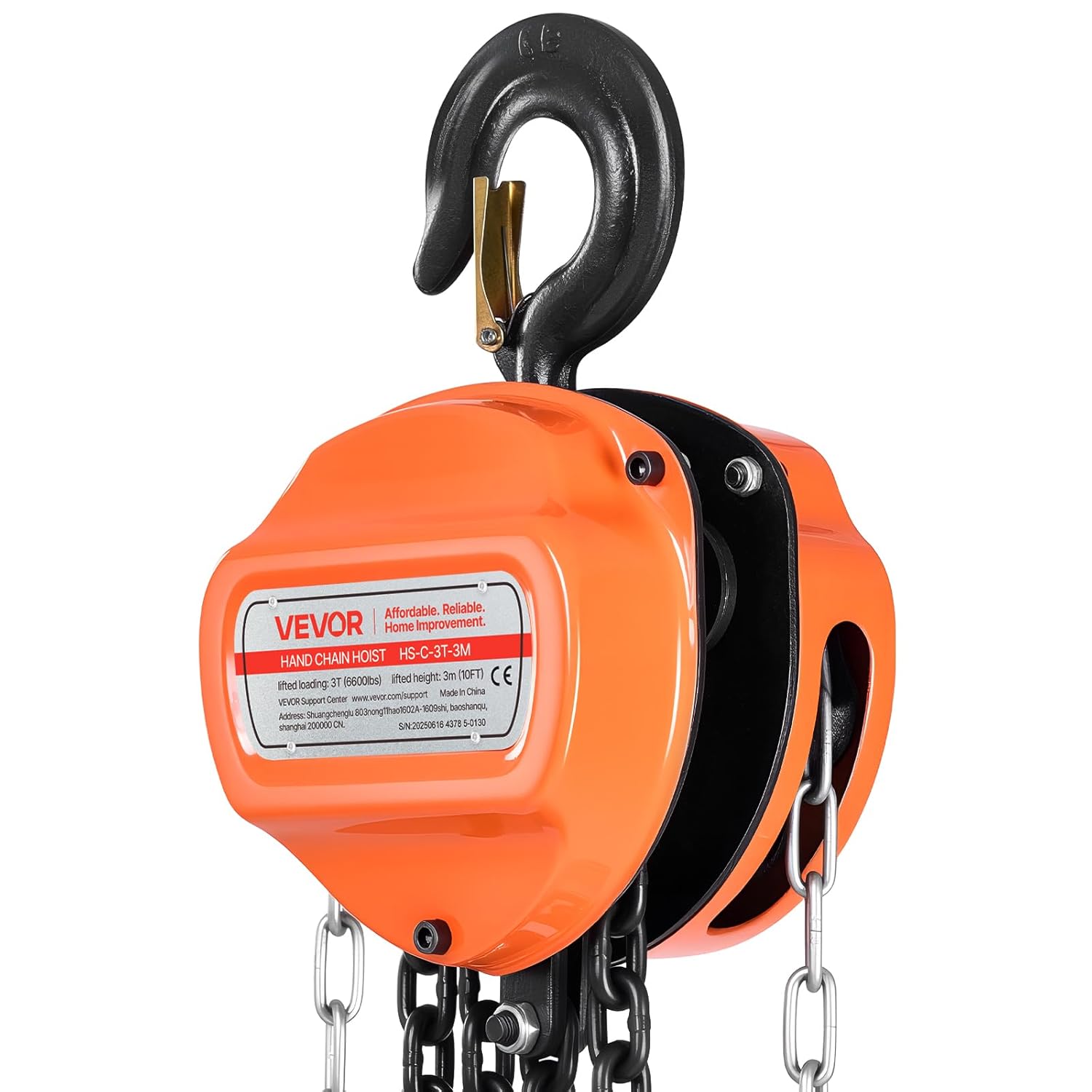
Image 3.1: Detailed view of the hoist mechanism and chains.
4. Setup
Proper setup is crucial for safe operation.
- Choose a Secure Mounting Point: Identify an overhead support structure (e.g., I-beam, trolley) that is certified to safely support the hoist's weight plus the maximum intended load.
- Attach the Hoist: Securely attach the upper hook of the hoist to the chosen mounting point. Ensure the safety latch on the hook is fully closed.
- Inspect Chains: Uncoil the hand chain and load chain, ensuring they are free of twists, kinks, or tangles. The deep groove design helps prevent chain slipping, but proper initial alignment is important.
- Test Operation: Before attaching a load, operate the hoist a few times by pulling the hand chain to ensure smooth movement of the load chain and proper brake engagement.

Image 4.1: The 360° rotating hooks help prevent chain tangling during setup and operation.
5. Operating Instructions
Follow these steps for safe and efficient lifting and lowering operations.
- Attach the Load: Securely attach the load to the lower hook. Ensure the safety latch on the lower hook is fully closed and the load is centered.
- Lifting the Load: Pull the hand chain downwards to lift the load. Pulling one side of the continuous hand chain will cause the load to ascend. Apply steady, even force. The hoist is designed for effortless operation, requiring approximately 390N of pull force for a full load.
- Holding the Load: The dual pawl brake system automatically engages to hold the load securely at any height when you stop pulling the hand chain.
- Lowering the Load: Pull the opposite side of the hand chain downwards to lower the load. Control the descent speed by regulating the pulling force.
- Smooth Operation: Avoid sudden stops or starts. Operate the hoist smoothly to prevent shock loading and ensure stability.
- Monitor Load: Continuously monitor the load and hoist during operation for any signs of instability or malfunction.

Image 5.1: Demonstrating the hoist in action, lifting a heavy engine.

Image 5.2: Illustrating the smooth pulling action and anti-slip features of the chain mechanism.
6. Maintenance
Regular maintenance ensures the hoist remains in safe and optimal working condition.
- Daily Inspection: Before each use, visually inspect the entire hoist for any damage, deformation, cracks, or excessive wear on the chains, hooks, safety latches, and hoist body.
- Lubrication: Periodically lubricate the load chain and internal gears according to standard hoist maintenance practices. Use a suitable lubricant to prevent rust and ensure smooth operation.
- Cleaning: Keep the hoist clean and free from dirt, debris, and corrosive substances.
- Chain Condition: Check for stretched, bent, or twisted chain links. Replace any damaged chains immediately. The G80 heat-treated chain is designed for durability, but regular inspection is vital.
- Brake System: Ensure the dual pawl brake system engages properly and holds the load securely. If the brake slips, discontinue use and have it inspected by a qualified technician.
- Storage: Store the hoist in a clean, dry environment when not in use to prevent corrosion and damage.

Image 6.1: The hoist's durable construction, including thickened alloy steel shell and G80 chains, designed to withstand harsh impacts.
7. Troubleshooting
This section addresses common issues you might encounter.
- Problem: Hoist will not lift or lowers with difficulty.
Possible Causes & Solutions:- Overload: Ensure the load does not exceed 6600 lbs (3 Ton).
- Tangled Chain: Check for kinks or twists in the hand chain or load chain. Untangle as necessary.
- Lack of Lubrication: Lubricate the chains and internal mechanisms.
- Brake Malfunction: If the brake is stuck or not releasing, do not force it. Have it inspected by a qualified technician.
- Problem: Load slips or does not hold position.
Possible Causes & Solutions:- Brake Wear/Malfunction: The dual pawl brake system may be worn or damaged. Discontinue use immediately and seek professional inspection/repair.
- Contamination: Dirt or debris in the brake mechanism can prevent proper engagement. Clean the hoist.
- Problem: Hand chain is difficult to pull.
Possible Causes & Solutions:- Lack of Lubrication: Lubricate the hand chain and internal components.
- Chain Misalignment: Ensure the hand chain is properly seated in the guide wheel groove.
- Internal Friction: If the issue persists, internal components may require inspection.
For issues not listed here or if troubleshooting steps do not resolve the problem, contact VEVOR customer support or a qualified service technician.
8. Specifications
Detailed specifications for the VEVOR Hand Chain Hoist HS-C-3T-3M:
| Feature | Specification |
|---|---|
| Model Number | HS-C-3T-3M |
| Load Capacity | 6600 lbs / 3 Ton |
| Lift Height | 10 Ft / 3 m |
| Main Material | Alloy Steel |
| Chain Grade | G80 |
| Pulling Force at Full Load | 390 N |
| Product Weight | 44.4 lbs / 20.15 kg |
| Hook Opening Size | 1.35 in / 34.2 mm |
| Product Dimensions (L x W x H) | 14.5 x 19 x 19.99 cm |

Image 8.1: Visual representation of hoist dimensions and specifications.
9. Warranty and Support
Warranty Information: Specific warranty details for the VEVOR Hand Chain Hoist HS-C-3T-3M are not provided in this manual. Please refer to the product packaging, your purchase receipt, or the official VEVOR website for current warranty terms and conditions.
Customer Support: For technical assistance, parts, or service inquiries, please contact VEVOR customer support through their official website or the contact information provided with your purchase. When contacting support, please have your model number (HS-C-3T-3M) and purchase date available.