
1. Product Overview
The Boomerang Hardware D703 is a medium-duty automatic commercial door closer designed to provide controlled and secure closing for various door types. It features a hydraulic mechanism that ensures smooth, quiet operation and prevents door slamming. This closer is suitable for doors weighing up to 150 lbs and measuring up to 36 inches wide, making it ideal for medium to high-traffic commercial and residential applications.
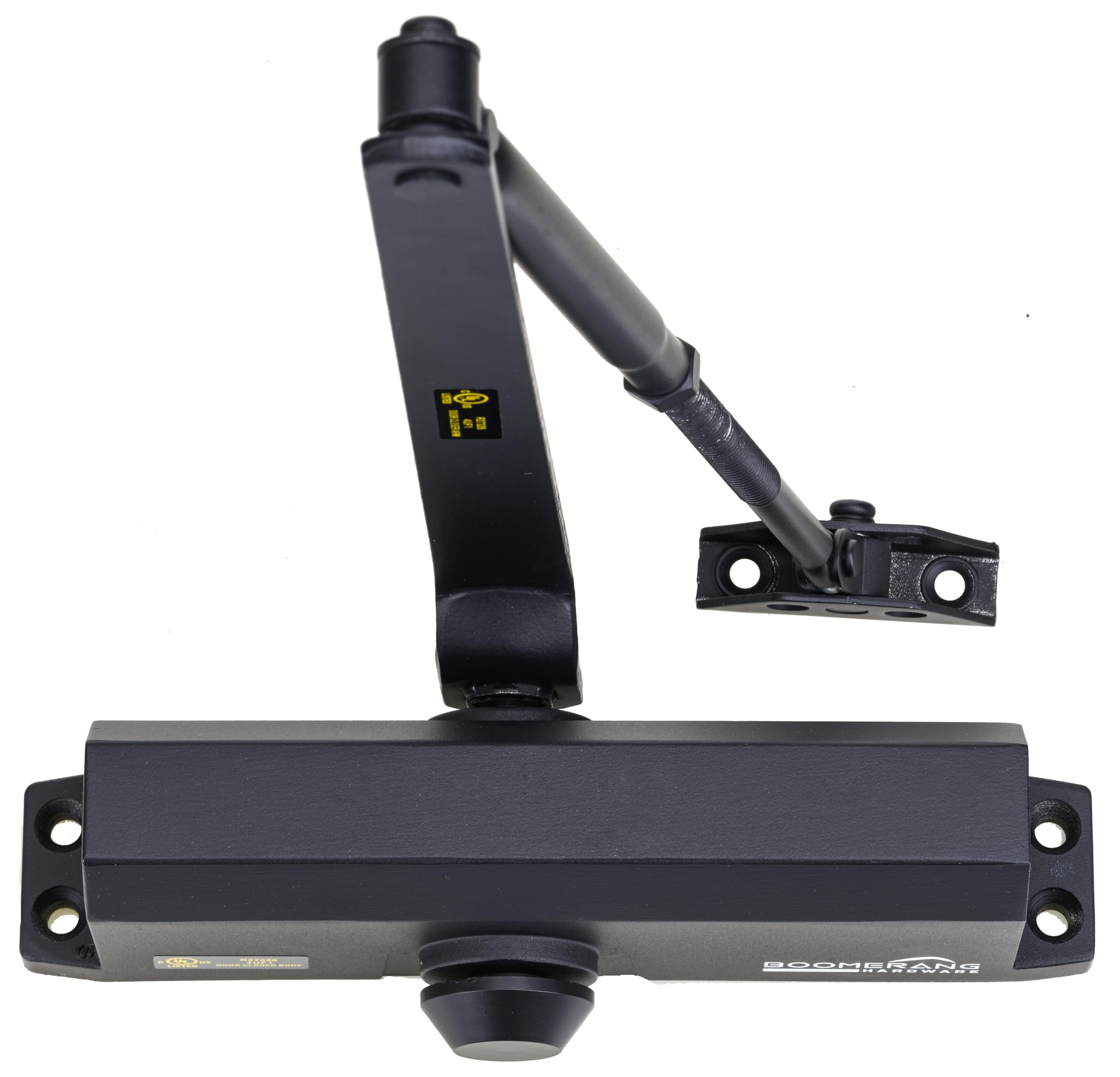
Image 1.1: The Boomerang D703 Medium-Duty Automatic Commercial Door Closer in Matte Black.
2. Key Features
- Adjustable, Slam-Free Door Closing: Ensures smooth, secure closing with three valves for adjusting closing speed, latching speed, and backcheck.
- Quiet Operation: Constructed from cast aluminum with a wrought steel arm, heat-treated piston, and powder-coated body for durable, quiet performance.
- Versatile Application: Suitable for doors up to 150 lbs and 36 inches wide, compatible with standard metal, glass, wood, and fire doors in homes, offices, small stores, and public restrooms.
- Flexible Installation: Supports regular-arm, top-jamb, and parallel-arm mounting. Features a non-handed design for right or left-hand, inswing or outswing doors. Installation hardware is included.
- Certified Performance: UL-listed with a 3-hour fire rating and certified to ANSI/BHMA A156.4 Grade 2 standards for up to 1 million cycles.
3. Specifications
| Specification | Detail |
|---|---|
| Model Number | D703 |
| Material | Aluminum |
| Color (Current Product) | Matte Black |
| Product Dimensions (L x W x H) | 8"L x 2"W x 3"H |
| Item Weight | 2.55 kg |
| Maximum Door Weight | 150 lbs |
| Maximum Door Width | 36 inches |
| Certifications | UL-listed (3-hour fire rating), ANSI/BHMA A156.4 Grade 2, ADA, cUL |
| Installation Type | Screw-In |
| Included Components | Door Closer Body & Arm, Mounting Screws |

Image 3.1: Detailed dimensions of the door closer and its components, including mounting screws and bracket.
4. Installation Guide
4.1 Mounting Options
The Boomerang D703 door closer offers three primary mounting configurations to suit various door and frame types. The closer features a non-handed design, allowing installation on both left-hand and right-hand doors, as well as for inswing or outswing applications.
- Regular Arm (Pull Side): The closer body is mounted on the door frame, and the arm extends to the door on the pull side.
- Top Jamb (Push Side): The closer body is mounted on the door frame, and the arm extends to the door on the push side.
- Parallel Arm (Push Side): The closer body is mounted on the door, and the arm is parallel to the door frame on the push side.

Image 4.1: Visual representation of the three available mounting options.
4.2 Installation Steps
Before beginning installation, ensure you have the appropriate tools, including a drill, drill bits (refer to the included printed instructions for specific sizes), and a screwdriver. The necessary mounting screws for both wood and metal doors are included.
- Prepare the Door and Frame: Determine the desired mounting option (Regular Arm, Top Jamb, or Parallel Arm) based on your door type and opening direction. Mark the pilot hole locations on the door and/or frame according to the template provided in the physical instruction manual.
- Drill Pilot Holes: Using the correct drill bit size, carefully drill pilot holes at the marked locations.
- Mount the Closer Body: Secure the door closer body to the door or frame using the provided screws. Ensure it is level and firmly attached.
- Attach the Arm Assembly: Connect the main arm to the closer body and the forearm to the mounting bracket. Adjust the arm length as needed for your chosen mounting type.
- Secure the Mounting Bracket: Fasten the mounting bracket to the door or frame using the remaining screws.
- Initial Adjustment: Loosen the adjustment valves slightly before finalizing the arm installation to allow for easier initial setup. Refer to Section 5 for detailed adjustment instructions.

Image 4.2: All components included for installation: closer body, arm, mounting bracket, and screws.
5. Adjusting the Door Closer
The Boomerang D703 features three independent adjustment valves to fine-tune the door's closing cycle. Small turns of these valves make a significant difference, so adjust slowly and test the door's movement after each adjustment.
- Closing Speed: Controls the speed at which the door closes from its fully open position until it reaches the latching point. Turn the valve clockwise to decrease speed, counter-clockwise to increase speed.
- Latching Speed: Controls the final closing speed, from approximately 10-15 degrees before the door is fully closed, ensuring it latches securely without slamming. Turn the valve clockwise to decrease speed, counter-clockwise to increase speed.
- Backcheck: Provides hydraulic resistance when the door is opened forcefully beyond a certain point (typically 70-80 degrees), preventing damage to the door or adjacent walls. This adjustment is usually factory-set but can be fine-tuned if needed. Turn the valve clockwise to increase backcheck resistance, counter-clockwise to decrease.

Image 5.1: Adjusting the door closer valves with a screwdriver.
6. Operation
Once properly installed and adjusted, the Boomerang D703 door closer will automatically close the door after it has been opened. The hydraulic mechanism ensures a controlled and consistent closing motion, preventing abrupt slams and reducing wear on the door and frame. The door should open easily and smoothly, with the backcheck feature engaging only when the door is opened with excessive force.
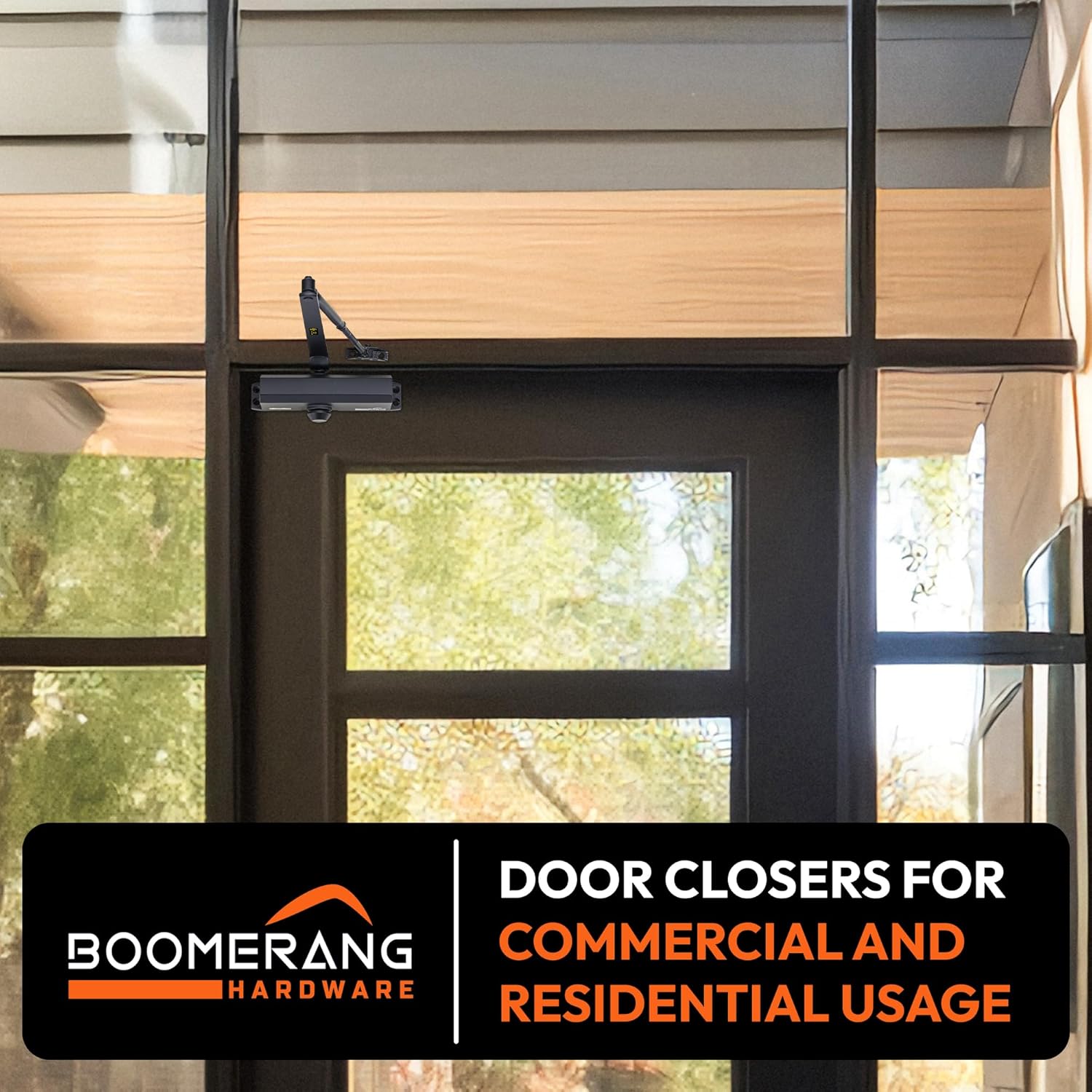
Image 6.1: The door closer installed on a commercial door, ensuring smooth operation.
7. Maintenance
The Boomerang D703 door closer is designed for durability and requires minimal maintenance. However, periodic checks can help ensure its long-term performance:
- Inspect for Leaks: Regularly check the closer body for any signs of hydraulic fluid leakage. If leaks are detected, contact support.
- Check Fasteners: Periodically ensure all mounting screws and arm assembly fasteners are tight. Loose fasteners can affect performance and safety.
- Clean the Unit: Wipe down the closer body and arm with a soft, damp cloth to remove dust and grime. Avoid using abrasive cleaners.
- Monitor Performance: Observe the door's closing cycle. If the speed or latching action changes significantly, re-adjust the valves as described in Section 5.
8. Troubleshooting
If you encounter issues with your Boomerang D703 door closer, consider the following common problems and solutions:
- Door Slams Shut: The closing speed or latching speed is too fast. Adjust the corresponding valves (refer to Section 5) by turning them clockwise to slow down the door.
- Door Does Not Close Fully: The closing speed or latching speed is too slow, or the arm assembly is not correctly tensioned. Adjust the valves counter-clockwise to increase speed. Ensure the arm is properly installed and tensioned according to the installation instructions.
- Door is Difficult to Open: The spring tension might be too high, or the backcheck is engaging too early. Check the installation for proper mounting distance. If the issue persists, consult the full manual or contact support.
- Oil Leakage: This indicates a potential internal seal failure. The unit may require replacement. Contact Boomerang Hardware support for assistance.
9. Warranty and Support
The Boomerang D703 door closer is built to high standards and is certified to ANSI/BHMA A156.4 Grade 2 for up to 1 million cycles, demonstrating its reliability and durability. For specific warranty information, please refer to the documentation included with your product or visit the official Boomerang Hardware website.
For technical assistance, troubleshooting beyond this guide, or to inquire about replacement parts, please contact Boomerang Hardware customer support. You can typically find contact information on the product packaging or on the Boomerang Hardware official website.
Boomerang Hardware
Website: Visit the Boomerang Hardware Store on Amazon