
1. Introduction
This instruction manual provides essential information for the safe and efficient operation, installation, and maintenance of the KEYAYEYA BLT2-18 Vertical Pipeline Multi-Stage Pump. This pump is compatible with various SHIMGE vertical pipeline multi-stage pump models, including BLT2-2, BLT2-9, BLT2-11, BLT2-13, BLT2-15, BLT2-18, BLT2-22, BLT2-26, BLT4-8, and BLT4-12. Please read this manual thoroughly before installation or operation to ensure proper usage and to prevent damage or injury.
2. Safety Information
Always observe the following safety precautions to reduce the risk of injury or damage:
- Ensure all electrical connections are performed by a qualified electrician and comply with local codes.
- Disconnect power before performing any maintenance or service.
- Do not operate the pump with damaged cables or connections.
- Wear appropriate personal protective equipment (PPE) during installation and maintenance.
- Ensure the pump is securely mounted to prevent vibration and movement.
- Do not pump flammable, corrosive, or explosive liquids unless the pump is specifically designed for such applications.
3. Product Overview
The KEYAYEYA BLT2-18 is a vertical pipeline multi-stage pump designed for various industrial and commercial applications. Its multi-stage design allows for efficient high-pressure fluid transfer. The pump is engineered for compatibility with specific SHIMGE models, ensuring reliable performance.
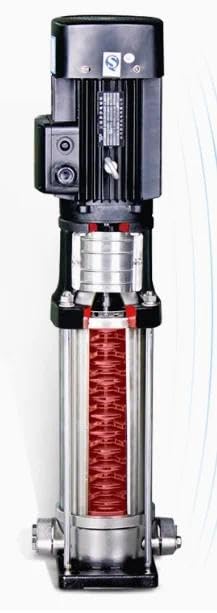
Figure 3.1: General view of the KEYAYEYA BLT2-18 Vertical Pipeline Multi-Stage Pump. This image illustrates the typical appearance and configuration of the pump, highlighting its vertical orientation and main components.
Key Features:
- Vertical pipeline design for space-saving installation.
- Multi-stage impeller system for high-pressure applications.
- Durable construction for extended service life.
- Designed for compatibility with SHIMGE BLT2 and BLT4 series pumps.
4. Setup and Installation
Proper installation is crucial for the pump's performance and longevity. Follow these steps carefully:
- Site Selection: Choose a location that is dry, well-ventilated, and provides sufficient space for maintenance. Ensure the foundation is level and capable of supporting the pump's weight.
- Mounting: Securely bolt the pump to a stable, vibration-dampening base. Use appropriate fasteners for the mounting surface.
- Piping Connections: Connect the suction and discharge pipes. Ensure all connections are leak-free and that pipework is supported independently to avoid stressing the pump casing. Use flexible connectors if necessary to absorb vibration.
- Electrical Wiring: Have a qualified electrician connect the pump to the power supply according to the wiring diagram provided with the pump and local electrical codes. Verify correct voltage and phase.
- Priming: Before initial operation, ensure the pump is properly primed. Refer to the specific priming procedure for your system to prevent dry running.
- Pre-Operation Check: Double-check all connections, ensure no tools or debris are left near the pump, and confirm all safety guards are in place.
5. Operating Instructions
Follow these guidelines for safe and effective pump operation:
- Start-up: Ensure the pump is primed. Open the discharge valve slowly after starting the pump to avoid sudden pressure surges.
- Monitoring: During operation, regularly monitor pressure gauges, flow rates, and listen for unusual noises or vibrations.
- Shut-down: Close the discharge valve slowly before turning off the pump. This prevents water hammer and protects the system.
- Emergency Stop: In case of an emergency, immediately press the emergency stop button or disconnect power.
6. Maintenance
Regular maintenance ensures optimal performance and extends the pump's lifespan. Always disconnect power before servicing.
Routine Checks:
- Daily: Check for leaks, unusual noises, or excessive vibration.
- Weekly: Inspect motor ventilation openings for obstructions.
- Monthly: Check electrical connections for tightness and signs of corrosion.
- Annually: Inspect seals, bearings, and impellers for wear. Replace components as needed. Consult a qualified technician for complex repairs.
Storage:
If storing the pump for an extended period, drain all liquid, clean the pump thoroughly, and store it in a dry, frost-free environment.
7. Troubleshooting
This section provides solutions for common operational issues. For problems not listed here, contact technical support.
| Problem | Possible Cause | Solution |
|---|---|---|
| Pump does not start | No power supply; Motor overload; Faulty wiring | Check power connection and circuit breaker; Reset overload protector; Inspect wiring (qualified electrician) |
| Low flow or pressure | Air in pump/suction line; Clogged impeller; Worn impeller/seals | Re-prime the pump; Clean impeller; Replace worn parts |
| Excessive noise/vibration | Cavitation; Misalignment; Worn bearings | Check suction conditions; Realign pump/motor; Replace bearings |
| Pump leaks | Worn mechanical seal; Loose connections | Replace mechanical seal; Tighten connections |
8. Specifications
| Attribute | Detail |
|---|---|
| Brand | KEYAYEYA |
| Model Number | BLT2-18 |
| Compatibility | SHIMGE Vertical Pipeline Multi-Stage Pump BLT2-2, BLT2-9, BLT2-11, BLT2-13, BLT2-15, BLT2-18, BLT2-22, BLT2-26, BLT4-8, BLT4-12 |
| Manufacturer | original manufacturer |
| Included Components | NEW (refer to packaging for specific contents) |
| ASIN | B0FFSMJC12 |
9. Warranty and Support
For warranty information, please refer to the documentation included with your purchase or contact the seller directly. If you require technical guidance or have questions regarding the model, please contact the merchant for assistance. Ensure you have your model number (BLT2-18) and purchase details ready when contacting support.
Seller: KEYAYEYA Parts factory