
Introduction
This instruction manual provides essential information for the safe and efficient operation, installation, and maintenance of your KEYAYEYA compatible SHIMGE Stainless Steel Deep Well Pump, model 100QJY2-312-50-4. Please read this manual thoroughly before installation and operation to ensure proper use and to prevent damage or injury.
Safety Information
Important Safety Instructions:
- Always disconnect power before performing any maintenance or installation procedures.
- Ensure all electrical connections are made by a qualified electrician and comply with local codes.
- Do not operate the pump dry. Running the pump without water can cause severe damage.
- Wear appropriate personal protective equipment (PPE) during installation and maintenance.
- Keep children and unauthorized personnel away from the pump's operating area.
- If the pump shows signs of damage, do not operate it. Contact the seller for assistance.
Product Overview
The KEYAYEYA compatible SHIMGE Deep Well Pump is designed for efficient water extraction from deep wells. Its stainless steel construction ensures durability and corrosion resistance. This section provides a visual reference of the pump.
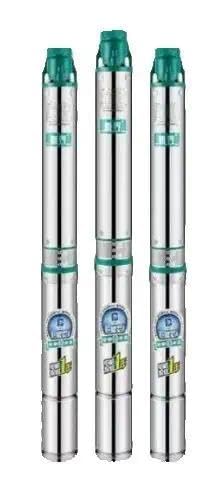
Figure 1: Overall view of the KEYAYEYA compatible SHIMGE Stainless Steel Deep Well Pump.
This image displays the main body of the deep well pump, highlighting its stainless steel casing and general form factor. It provides a visual representation of the product for identification and reference during installation and maintenance.
Setup
1. Pre-Installation Checks
- Verify that the well casing is clean and free of debris.
- Measure the well depth and static water level to ensure the pump is suitable for the application.
- Inspect the pump for any visible damage from shipping.
- Ensure all necessary plumbing and electrical components are available and meet local regulations.
2. Installation Steps
- Attach the discharge pipe to the pump outlet. Ensure a watertight seal using appropriate thread sealant.
- Securely attach a safety rope or cable to the pump's lifting eye. This is crucial for retrieval.
- Connect the electrical cable to the pump motor, ensuring all connections are waterproof and insulated.
- Carefully lower the pump into the well, ensuring it hangs freely and does not touch the bottom or sides of the well casing. The pump should be submerged below the lowest anticipated water level but above any sediment.
- Install a check valve in the discharge line to prevent backflow.
- Connect the discharge pipe to the rest of the water system.
3. Electrical Connection
Connect the pump's electrical cable to a control box (if applicable) and then to the main power supply. Ensure the voltage and amperage match the pump's requirements as specified on the pump label. Use a dedicated circuit breaker for the pump.
Operating Instructions
1. Initial Startup
- Before starting, ensure the pump is fully submerged in water.
- Turn on the power supply to the pump.
- Monitor the pressure gauge (if installed) and listen for smooth operation. The pump should start quietly and build pressure steadily.
- Allow the pump to run for a few minutes to purge any air from the system.
2. Normal Operation
The pump is designed for continuous operation within its specified limits. Avoid frequent on/off cycling, which can reduce motor life. Ensure the well's water level remains above the pump's intake during operation.
3. Shutdown
To shut down the pump, simply turn off the power supply at the circuit breaker or control panel. For extended periods of non-use, consider removing the pump from the well and storing it in a dry, frost-free location, especially in cold climates.
Maintenance
1. Regular Checks
- Periodically check the well water level to prevent dry running.
- Inspect visible electrical connections for corrosion or damage.
- Monitor pump performance for any changes in pressure or flow rate, which could indicate an issue.
2. Cleaning
If the pump is removed from the well, clean any sediment or mineral deposits from the pump's exterior and intake screen. Use a soft brush and water. Do not use harsh chemicals that could damage the pump materials.
3. Winterization (for cold climates)
In areas prone to freezing, if the pump is not in continuous use, it should be removed from the well and drained completely to prevent ice damage. Store it in a warm, dry place.
Troubleshooting
| Problem | Possible Cause | Solution |
|---|---|---|
| Pump does not start | No power; tripped circuit breaker; faulty motor; control box issue. | Check power supply and circuit breaker. Consult an electrician for motor or control box issues. |
| Low water pressure/flow | Low well water level; clogged intake screen; worn pump components; pipe leakage. | Check well level. Clean intake. Inspect plumbing for leaks. Contact seller for component replacement. |
| Pump runs continuously | Leaking plumbing; faulty pressure switch; check valve failure. | Inspect plumbing for leaks. Check/replace pressure switch or check valve. |
| Excessive noise/vibration | Pump running dry; foreign object in pump; worn bearings. | Ensure adequate water supply. Remove pump to inspect for obstructions. Contact seller for internal repairs. |
For issues not listed here or if troubleshooting steps do not resolve the problem, please contact the seller for technical assistance.
Specifications
| Feature | Detail |
|---|---|
| Model Number | 100QJY2-312-50-4 |
| Brand | KEYAYEYA |
| Compatible with | SHIMGE Deep Well Pumps (various models) |
| Item Weight | 2 pounds |
| Product Dimensions | 1 x 1 x 1 inches |
| Manufacturer | original manufacturer |
Warranty and Support
For warranty information, technical support, or to inquire about replacement parts, please contact the KEYAYEYA Parts factory directly through your purchase platform. Refer to your purchase documentation for specific contact details and warranty terms.
Note: After the goods arrive in the destination country, taxes may need to be paid, and you may need to cooperate in handling customs clearance.