
KEYAYEYA JLm90-1100SSA
KEYAYEYA SHIMEG Intelligent Automatic Booster Pump
User Manual for Models JLm90-1100A, JLm90-1500A, JLm90-1100SSA, JLm90-1500SSA
Model Covered: JLm90-1100SSA
1. Introduction
This manual provides essential instructions for the safe installation, efficient operation, and proper maintenance of your KEYAYEYA SHIMEG Intelligent Automatic Booster Pump. Please read this document thoroughly before attempting to install or operate the pump to ensure optimal performance and longevity. Keep this manual for future reference.
The intelligent booster pump is designed to automatically increase water pressure in domestic and light commercial applications, providing a consistent water supply.
2. Safety Information
Adhering to these safety guidelines is crucial to prevent injury, electric shock, or damage to the pump.
- Always disconnect the power supply to the pump before performing any installation, maintenance, or repair work.
- Ensure the pump is properly grounded to prevent electrical hazards.
- Do not operate the pump if the power cord or plug is damaged. Contact qualified personnel for replacement.
- Keep children and unauthorized persons away from the pump during operation.
- Install the pump in a dry, well-ventilated area, protected from direct sunlight, rain, and freezing temperatures.
- All electrical and plumbing connections must comply with local codes and regulations. If unsure, consult a qualified electrician or plumber.
- Do not run the pump dry. Ensure there is always water in the system to prevent damage to the pump.
3. Package Contents
Upon unpacking, please verify that all components are present and undamaged. The package typically includes:
- KEYAYEYA SHIMEG Intelligent Automatic Booster Pump unit
- User Manual (this document)
If any items are missing or damaged, please contact your supplier immediately.
4. Setup and Installation
Proper installation is critical for the pump's performance and safety.
- Unpacking and Inspection: Carefully remove the pump from its packaging. Inspect the pump for any visible damage that may have occurred during shipping.
- Placement: Position the pump on a firm, level, and stable surface. Ensure the location provides adequate ventilation and is protected from moisture, dust, and extreme temperatures.
- Plumbing Connections:
- Connect the inlet pipe to the pump's suction port and the outlet pipe to the discharge port.
- Use appropriate pipe fittings and thread sealant (e.g., PTFE tape) to ensure watertight connections.
- Ensure that the piping is properly supported to prevent strain on the pump's connections.
- Install a check valve on the suction side if the water source is below the pump level to maintain prime.
- Priming the Pump: Before initial operation, the pump must be filled with water (primed) to prevent dry running.
- Open the priming plug (if available) or a valve on the discharge side.
- Slowly fill the pump casing with water until it overflows.
- Close the priming plug/valve.
- Ensure all air is expelled from the pump and suction line.
- Electrical Connection:
- Connect the pump to a dedicated, grounded electrical outlet.
- Verify that the power supply voltage and frequency match the specifications listed on the pump's nameplate.
- Do not use extension cords unless absolutely necessary and ensure they are rated for outdoor use and the pump's power requirements.
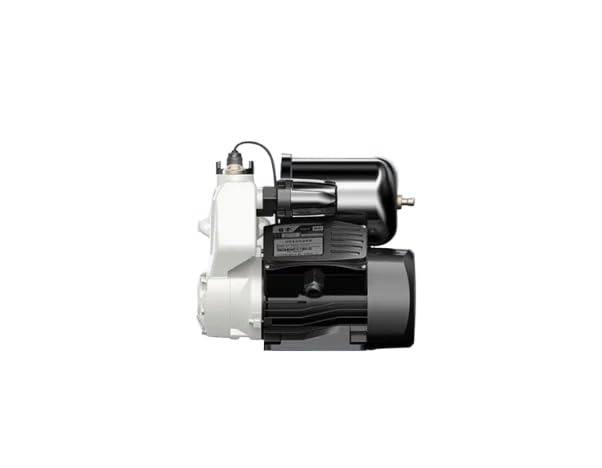
Figure 1: Example of the KEYAYEYA SHIMEG Intelligent Automatic Booster Pump unit. Actual appearance may vary slightly depending on the specific model.
5. Operating Instructions
The intelligent booster pump is designed for automatic operation.
- Initial Start-up: After completing the installation and priming steps, turn on the main power supply to the pump.
- Automatic Operation: The pump will automatically detect water demand (e.g., when a faucet is opened) and start to boost water pressure. When water demand ceases, the pump will automatically shut off after a short delay.
- Monitoring: During the first few minutes of operation, observe the pump for any unusual noises, vibrations, or leaks. If any issues are detected, immediately turn off the power and refer to the Troubleshooting section.
6. Maintenance
Regular maintenance ensures the long-term reliability and efficiency of your booster pump.
- Periodic Inspection: Regularly inspect the pump and all connections for signs of leaks, corrosion, or physical damage. Address any issues promptly.
- Cleaning: Keep the pump's exterior clean and free from dust, dirt, and debris to ensure proper ventilation.
- Winterization (for cold climates): If the pump is installed in an area subject to freezing temperatures, it must be drained and protected during winter months to prevent damage from ice expansion. Disconnect power, drain all water from the pump and associated piping, and store in a frost-free location if possible.
- Check Valves: Periodically inspect any installed check valves for proper function.
7. Troubleshooting
Before contacting support, review these common issues and solutions:
| Problem | Possible Cause | Solution |
|---|---|---|
| Pump does not start |
|
|
| Low water pressure |
|
|
| Pump runs continuously |
|
|
| Unusual noise/vibration |
|
|
If the problem persists after attempting these solutions, please contact customer support.
8. Specifications
The following specifications apply to the JLm90-1100SSA model. Specifications for other compatible models (JLm90-1100A, JLm90-1500A, JLm90-1500SSA) may vary.
| Feature | Detail |
|---|---|
| Model Number | JLm90-1100SSA |
| Manufacturer | Original Manufacturer |
| Item Weight | Approximately 2 pounds (Please verify actual product weight upon receipt) |
| Product Dimensions | Approximately 1 x 1 x 1 inches (L x W x H) (Please verify actual product dimensions upon receipt) |
9. Warranty and Support
For any questions regarding your specific pump model, technical guidance, or warranty claims, please contact the merchant or manufacturer directly. Ensure you have your model number and purchase details available when contacting support.
Ask a question about this manual
Ask about setup, troubleshooting, compatibility, parts, safety, or missing instructions. Manuals+ will review the question and use this page’s manual context to help answer it.