
VEVOR YHEO-4
VEVOR Lab Distillation Kit User Manual
Model: YHEO-4
1. Introduction
This manual provides detailed instructions for the safe and effective use of your VEVOR Lab Distillation Kit. This apparatus is designed for various laboratory applications including distillation, separation, purification, and synthesis experiments. Constructed from durable 3.3 borosilicate glass, it offers excellent resistance to high temperatures and corrosive reagents, ensuring reliable and efficient experimental results.

Image 1.1: Overview of the VEVOR Lab Distillation Kit components.
2. Components (What's in the Box)
Your VEVOR Lab Distillation Kit includes the following components. Please verify all parts are present and undamaged upon receipt.
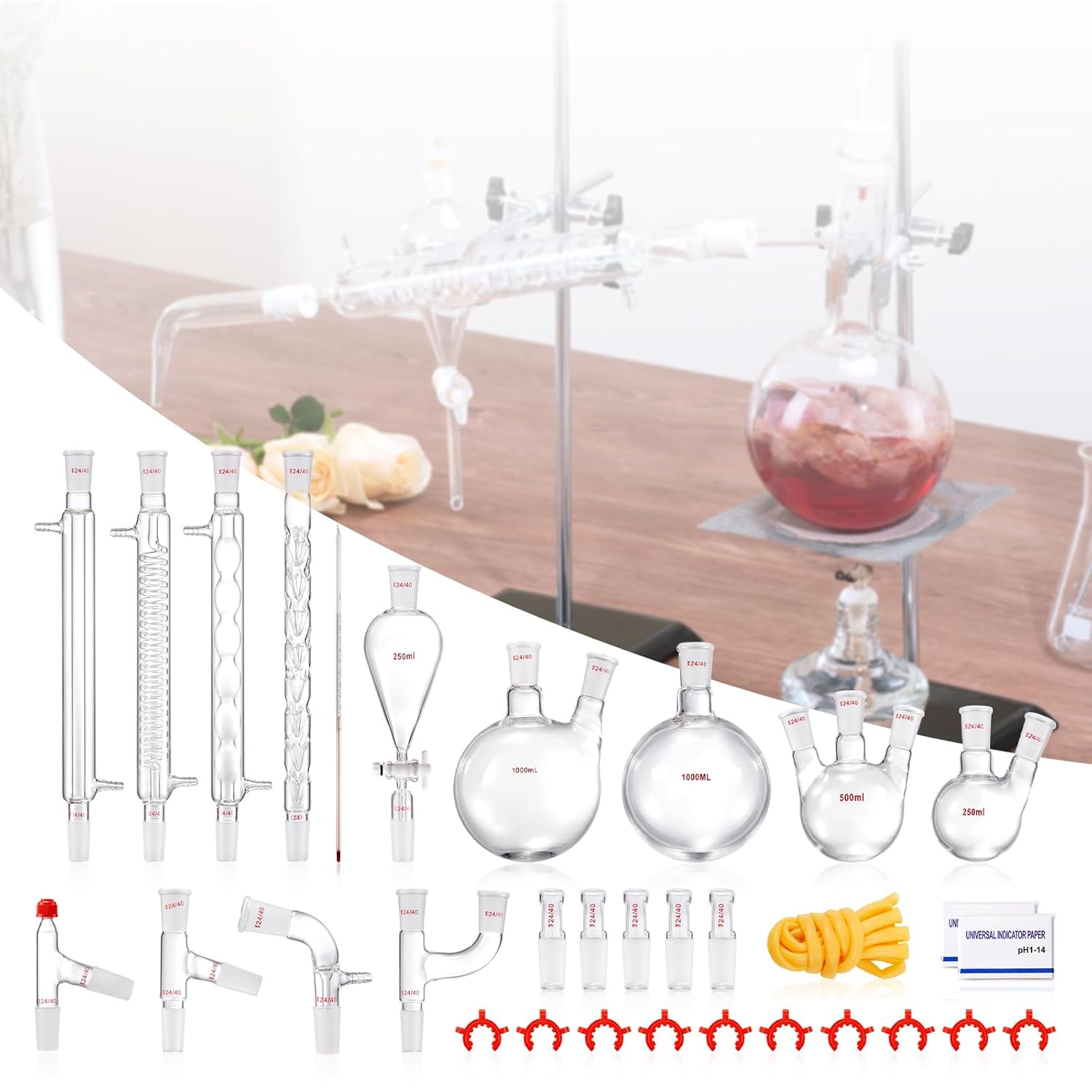
Image 2.1: Numbered diagram of all included components.
- 1000ml Two-Neck Flask
- 1000ml Round-Bottom Flask
- Ground Glass Separatory Funnel
- Thermometer
- 500ml Three-Neck Flask
- 250ml Two-Neck Flask
- Thermometer Glass Stopper Tube
- Ground Glass Straight Condenser
- Ground Glass Snake Condenser
- Ground Glass Spherical Condenser
- Spike Fractionating Column
- Distillation Head
- Y-Shaped Tube
- Vacuum Receiving Tube
- Glass Stopper
- Plastic Clamps
- Latex Tubing
- PH Test Paper
3. Setup Instructions
Proper assembly is crucial for the safety and efficiency of your experiments. All glassware features standard 24/40 ground joints for secure connections.
3.1 General Assembly Guidelines
- Ensure all glassware is clean and dry before assembly.
- Use appropriate laboratory stands and clamps (not included) to secure all components firmly.
- When connecting ground glass joints, apply a thin layer of vacuum grease (recommended for tighter connections and easier disassembly) to the male joint.
- Gently twist the joints together to create a tight seal.
- Secure joints with the provided plastic clamps to prevent separation during operation.
- Connect latex tubing to condenser inlets and outlets for water circulation.

Image 3.1: Detail of standard 24/40 ground glass joints and sealing clamps.
3.2 Basic Distillation Setup
- Mount the distillation flask (e.g., 1000ml Round-Bottom Flask) securely on a heating mantle or hot plate with a support stand.
- Attach the distillation head to the flask.
- Connect the condenser (e.g., Straight Condenser or Snake Condenser) to the distillation head. Ensure water hoses are properly connected for cooling.
- Attach the vacuum receiving tube to the condenser outlet.
- Place a receiving flask (e.g., 250ml Two-Neck Flask) at the end of the vacuum receiving tube to collect the distillate.
- Insert the thermometer into the distillation head's thermometer glass stopper tube to monitor vapor temperature.
4. Operating Instructions
This kit is suitable for various experimental procedures. Always follow proper laboratory safety protocols, including wearing appropriate personal protective equipment (PPE).
4.1 Distillation Process
- Add the liquid to be distilled to the distillation flask, ensuring it does not exceed two-thirds of the flask's capacity.
- Begin heating the distillation flask gradually.
- Start the flow of cooling water through the condenser as heating begins.
- Monitor the temperature on the thermometer. The temperature should stabilize at the boiling point of the substance being distilled.
- Collect the condensed liquid (distillate) in the receiving flask.
- Once distillation is complete, turn off the heat source and allow the apparatus to cool down before disassembling.
4.2 Essential Oil Extraction
The kit can be used for steam distillation of essential oils. This typically involves placing plant material in the distillation flask with water, heating to produce steam, and then condensing the steam and oil vapor. The separatory funnel can then be used to separate the essential oil from the aqueous layer.

Image 4.1: Examples of versatile applications including laboratory research and essential oil DIY.
5. Maintenance and Care
Proper maintenance extends the lifespan of your glassware and ensures accurate experimental results.
- Cleaning: After each use, disassemble the apparatus and clean all glassware thoroughly. Use appropriate laboratory detergents and brushes. For stubborn residues, an acid bath may be necessary. Rinse thoroughly with distilled water.
- Drying: Allow glassware to air dry completely or use a laboratory oven at a low temperature.
- Storage: Store glassware in a clean, dry, and secure location to prevent breakage. Keep ground joints protected from dust and debris.
- Inspection: Regularly inspect all glassware for chips, cracks, or scratches. Do not use damaged glassware, especially when applying heat or vacuum, as it can pose a significant safety risk.

Image 5.1: Highlighting the durability and resistance of 3.3 borosilicate glass.
6. Troubleshooting
Refer to the following table for common issues and their potential solutions.
| Issue | Possible Cause | Solution |
|---|---|---|
| Glassware appears dirty or has residue upon arrival. | Manufacturing residue or previous handling. | Thoroughly clean all glassware with laboratory detergent and rinse with distilled water before first use. An acid bath may be required for stubborn spots. |
| Cracks or chips in glassware. | Impact during shipping or handling; thermal shock. | Do not use cracked or chipped glassware. Contact VEVOR support for replacement if received damaged. Avoid rapid temperature changes. |
| Joints are too tight or difficult to separate. | Lack of lubrication; prolonged use without separation. | Apply a thin layer of vacuum grease to ground joints before assembly. If stuck, gently heat the outer joint or use a specialized joint release tool. |
| Poor seal at ground joints, leading to leaks. | Improper assembly; damaged joint; insufficient grease. | Ensure joints are clean and free of debris. Apply vacuum grease evenly. Twist joints firmly together. Secure with plastic clamps. Inspect for damage. |
| Plastic clamps do not fit securely. | Incompatible clamp size or unusually thick glass. | Ensure you are using the correct size clamps for 24/40 joints. If issues persist, consider acquiring alternative clamps from a reputable supplier. |
7. Specifications
| Feature | Detail |
|---|---|
| Product Model Number | YHEO-4 |
| Material | 3.3 Borosilicate Glass |
| Joint Size | 24/40 Standard Ground Joints |
| Flask Capacities | 1000ml, 500ml, 250ml |
| Product Dimensions | 23.23 x 20.08 x 7.87 inches |
| Product Weight | 9.04 Pounds (approx. 4.1 kg) |
| Country of Origin | China |
8. Warranty and Support
VEVOR is committed to providing high-quality products and customer satisfaction. For technical support, warranty information, or any inquiries regarding your VEVOR Lab Distillation Kit, please visit our official support website:
Please have your product model number (YHEO-4) and purchase details ready when contacting support.
Ask a question about this manual
Ask about setup, troubleshooting, compatibility, parts, safety, or missing instructions. Manuals+ will review the question and use this page’s manual context to help answer it.