
1. Introduction
This manual provides detailed instructions for the installation, operation, and maintenance of the Mass Air Flow (MAF) Sensor, model NEEXCYYEF. This sensor is designed to accurately measure the amount of air entering the engine, which is crucial for optimal fuel efficiency and engine performance. It is a direct replacement for various OEM part numbers including AF10043, 25318411, 25168491, 213-4160, and others.
The sensor is compatible with a range of vehicles, including specific models of Cadillac, Chevy, and GMC. Refer to the compatibility list in the specifications section for detailed vehicle fitment.
2. Product Overview

Figure 2.1: Front view of the Mass Air Flow Sensor, showing the main housing and air intake mesh.

Figure 2.2: Side view of the sensor, highlighting the electrical connector for vehicle integration.

Figure 2.3: Top view of the sensor, illustrating the internal components and air flow path.
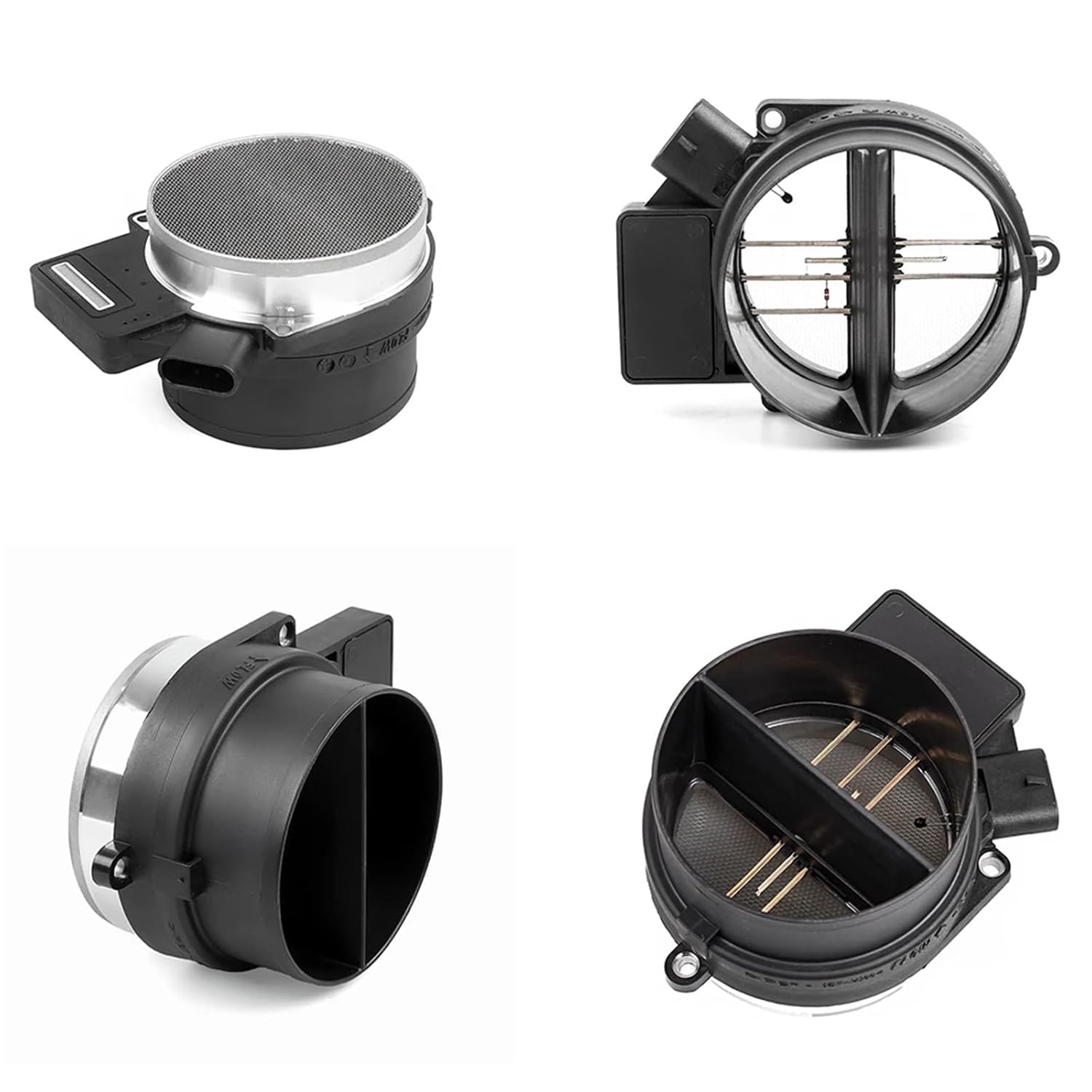
Figure 2.4: Internal view of the sensor, showing the sensing elements and air channels.

Figure 2.5: Dimensional drawing of the Mass Air Flow Sensor, indicating key measurements for fitment verification.
3. Safety Information
- Always disconnect the vehicle's battery before performing any electrical work to prevent short circuits or electrical shock.
- Ensure the engine is cool before handling engine components to avoid burns.
- Wear appropriate personal protective equipment (PPE), such as gloves and eye protection, during installation.
- Refer to your vehicle's service manual for specific instructions and torque specifications related to MAF sensor replacement.
- Do not attempt to disassemble the MAF sensor. Internal components are delicate and can be easily damaged.
4. Setup and Installation
The Mass Air Flow sensor is typically located between the air filter box and the throttle body on the engine's intake system.
- Preparation: Park the vehicle on a level surface and engage the parking brake. Ensure the engine is off and cool. Disconnect the negative terminal of the vehicle's battery.
- Locate the Existing MAF Sensor: Identify the current MAF sensor in your vehicle's air intake system. It will have an electrical connector and be integrated into the air ducting.
- Disconnect Electrical Connector: Carefully press the release tab on the electrical connector and pull it away from the sensor. Avoid pulling on the wires.
- Remove Mounting Hardware: Depending on your vehicle, the MAF sensor may be secured by screws, clamps, or a combination of both. Use appropriate tools to loosen or remove these fasteners.
- Remove Old Sensor: Gently twist and pull the old MAF sensor out of the air intake duct. Be careful not to damage the ducting.
- Install New Sensor: Insert the new Mass Air Flow Sensor (Model NEEXCYYEF) into the air intake duct, ensuring it is properly seated and oriented.
- Secure Mounting Hardware: Reinstall any screws or clamps removed earlier. Tighten them securely, but do not overtighten to avoid damaging the sensor housing or ducting.
- Reconnect Electrical Connector: Plug the electrical connector firmly back into the new sensor until it clicks into place.
- Reconnect Battery: Reconnect the negative terminal of the vehicle's battery.
- Initial Start-up: Start the vehicle and check for any warning lights or unusual engine behavior. It may take a few driving cycles for the vehicle's computer to fully adapt to the new sensor.
Note: If you are unsure about any step, it is recommended to consult a qualified automotive technician or refer to your vehicle's specific service manual.
5. Operating Principles
The Mass Air Flow sensor operates by measuring the mass of air entering the engine's intake manifold. This information is critical for the Engine Control Unit (ECU) to calculate the correct amount of fuel to inject for optimal combustion. The sensor typically uses a heated wire or film element. As air flows past this element, it cools the wire/film. The amount of current required to maintain the element at a constant temperature is proportional to the mass of air flowing past it. This signal is then sent to the ECU.
A properly functioning MAF sensor ensures:
- Accurate fuel-air mixture for efficient combustion.
- Improved fuel economy.
- Reduced exhaust emissions.
- Smooth engine idle and acceleration.
6. Maintenance
The Mass Air Flow sensor is a sensitive component and generally requires minimal maintenance. However, certain practices can help prolong its lifespan and ensure accurate readings:
- Air Filter Replacement: Regularly replace your vehicle's air filter according to the manufacturer's recommendations. A dirty air filter can restrict airflow and allow contaminants to reach and foul the MAF sensor element.
- Avoid Contaminants: Ensure that the air intake system is sealed and free from leaks that could allow unfiltered air or debris to enter and damage the sensor.
- Cleaning (If Necessary): If you suspect the MAF sensor is dirty, it can be carefully cleaned using a specialized MAF sensor cleaner spray. Do not use carburetor cleaner, brake cleaner, or any other solvents, as these can damage the delicate sensing elements. Always follow the instructions on the MAF sensor cleaner product.
- Professional Inspection: If you experience persistent engine performance issues, have the MAF sensor and entire intake system inspected by a qualified technician.
7. Troubleshooting
Common symptoms of a faulty or dirty Mass Air Flow sensor include:
- Check Engine Light (CEL) illumination with MAF-related diagnostic trouble codes (DTCs).
- Rough idle or stalling.
- Poor acceleration or hesitation.
- Decreased fuel economy.
- Black smoke from the exhaust (indicating a rich fuel mixture).
- Engine running too rich or too lean.
Troubleshooting Steps:
- Check for Loose Connections: Ensure the electrical connector to the MAF sensor is securely plugged in and that there are no damaged wires.
- Inspect Air Intake System: Look for any cracks, tears, or loose clamps in the air intake hose or ducting between the MAF sensor and the engine. Unmetered air entering the engine can cause MAF-related symptoms.
- Clean MAF Sensor: If symptoms persist and no other issues are found, carefully clean the MAF sensor as described in the Maintenance section (Section 6).
- Scan for DTCs: Use an OBD-II scanner to retrieve any stored diagnostic trouble codes. Common MAF-related codes include P0100, P0101, P0102, P0103, P0104. These codes can help pinpoint the issue.
- Professional Diagnosis: If troubleshooting steps do not resolve the issue, or if you are uncomfortable performing these steps, seek assistance from a certified automotive technician.
8. Specifications
| Attribute | Detail |
|---|---|
| Model Number | NEEXCYYEF |
| Sensor Type | Magnetic Induction |
| Replaces OEM Part Numbers | AF10043, 25318411, 25168491, 213-4160, 2134160, 213-364, 213364, 15904068, MF8411, 28411M, 748411, 868411, SU1287, 8253184110, SU9516 |
| Compatible Vehicles (Partial List) |
|
| Package Dimensions | 0.39 x 0.39 x 0.39 inches |
| Item Weight | 1.76 ounces |
| Manufacturer | Generic |
9. Warranty and Support
For information regarding product warranty, returns, or technical support, please refer to the seller's policy on the platform where the product was purchased. It is recommended to retain your proof of purchase for any warranty claims.
For general inquiries or assistance with installation, you may also consult a certified automotive professional.