
1. Overview
The ARMOURY Scout A-150 is a high-performance gaming PC designed for demanding applications and immersive gaming experiences. It features an AMD Ryzen 7 5700 processor, an NVIDIA GeForce RTX 3050 graphics card, 16GB of RAM, and a 1TB NVMe SSD for rapid data access. This system comes pre-installed with Windows 11 Home and includes integrated Wi-Fi and Bluetooth connectivity.

Figure 1.1: Front and side view of the ARMOURY Scout A-150 Gaming PC.
2. Setup Instructions
2.1 Unpacking
- Carefully remove the PC from its packaging.
- Inspect the PC for any signs of damage during transit.
- Remove any protective films or packaging materials from the exterior and interior (if applicable).
2.2 Connecting Peripherals
Connect your monitor, keyboard, mouse, and other peripherals to the appropriate ports on the rear and top of the PC.
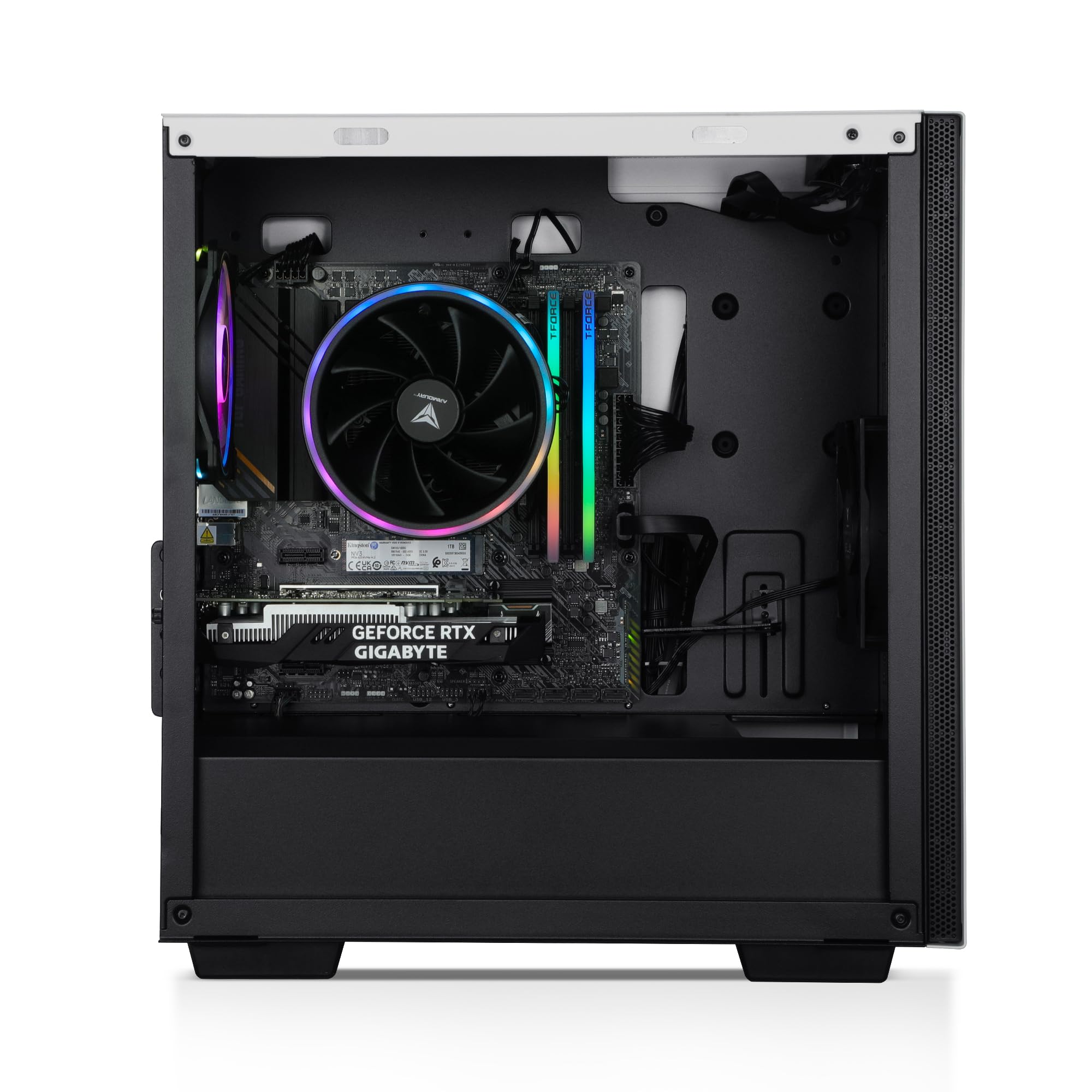
Figure 2.1: Rear panel connections including USB, HDMI, DisplayPort, Ethernet, and audio ports.
- Monitor: Connect your monitor to the graphics card's HDMI or DisplayPort outputs. Ensure the cable is securely fastened.
- Keyboard and Mouse: Connect your keyboard and mouse to any available USB ports.
- Audio: Connect speakers or headphones to the audio output jacks on the rear or top panel.
- Network: For a wired connection, connect an Ethernet cable to the LAN port. For wireless, ensure the Wi-Fi antennas (if provided) are attached.
- Power: Connect the power cable to the PC's power supply unit (PSU) and then to a grounded electrical outlet.
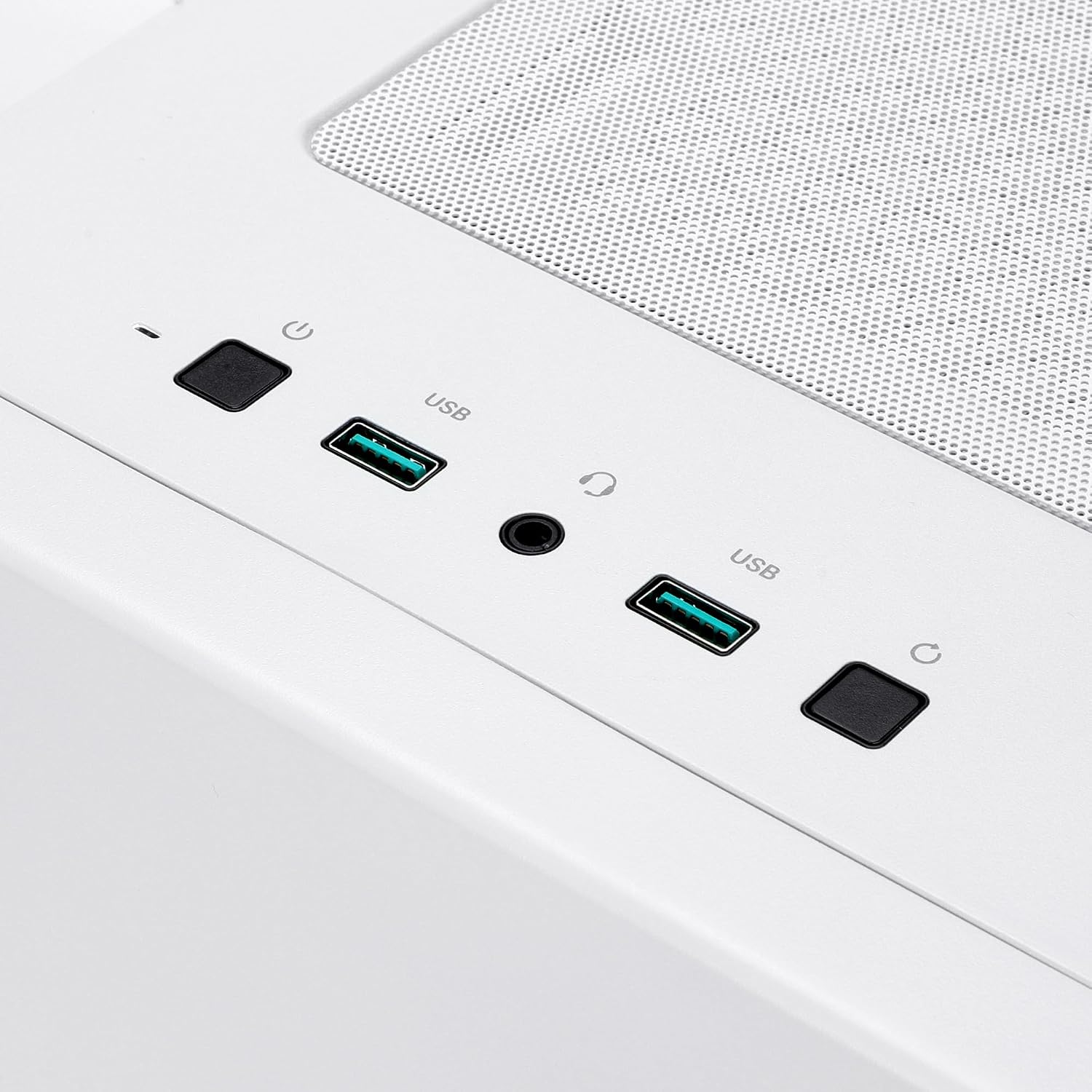
Figure 2.2: Top panel connections including USB ports and audio jack.
2.3 Initial Power-On
- Ensure all connections are secure.
- Press the power button located on the top panel of the PC.
- The system will boot into Windows 11 Home. Follow the on-screen instructions to complete the initial setup, including language, region, network connection, and user account creation.
3. Operating Instructions
3.1 Powering On and Off
- To Power On: Press the power button on the top of the PC.
- To Shut Down: Click the Start button in Windows, then select Power > Shut down. Avoid directly unplugging the PC or holding the power button for extended periods during normal operation, as this can lead to data loss or system instability.
- To Restart: Click the Start button in Windows, then select Power > Restart.
3.2 Connecting to Networks
- Wi-Fi: In Windows 11, click the network icon in the taskbar, select your desired Wi-Fi network, enter the password, and click Connect.
- Bluetooth: To pair Bluetooth devices, go to Settings > Bluetooth & devices, ensure Bluetooth is enabled, and then select 'Add device'.
3.3 Gaming and Performance
- Ensure your PC has adequate ventilation, especially during extended gaming sessions.
- Keep graphics drivers updated for optimal performance. You can download the latest drivers from the NVIDIA website.
- Close unnecessary background applications to free up system resources for gaming.
4. Maintenance
4.1 Dust Management
Dust accumulation can hinder cooling performance and potentially damage components. Regular cleaning is recommended.

Figure 4.1: Internal view of the PC, highlighting the CPU cooler and graphics card, areas prone to dust accumulation.
- Frequency: Clean the interior of your PC every 3-6 months, or more frequently if in a dusty environment.
- Procedure:
- Shut down the PC completely and unplug the power cable.
- Open the side panel of the PC case.
- Use compressed air to gently blow dust out of fans (CPU cooler, case fans, GPU fans) and heatsinks. Hold fans in place to prevent over-spinning.
- Wipe down accessible surfaces with a microfiber cloth.
- Close the side panel securely.
4.2 Software Updates
- Windows Updates: Regularly check for and install Windows updates via Settings > Windows Update to ensure system stability and security.
- Driver Updates: Keep your graphics card drivers (NVIDIA) and motherboard drivers updated for optimal performance and compatibility.
5. Troubleshooting
| Problem | Possible Cause | Solution |
|---|---|---|
| PC does not power on | Loose power cable, PSU switch off, faulty outlet | Check power cable connections, ensure PSU switch is ON, try a different power outlet. |
| No display on monitor | Monitor cable loose, incorrect input selected on monitor, monitor off, graphics card issue | Ensure monitor cable is securely connected to the graphics card, check monitor power, select correct input source on monitor. |
| Slow system performance | Too many background programs, outdated drivers, dust accumulation, malware | Close unnecessary applications, update drivers, clean PC interior, run antivirus scan. |
| Wi-Fi/Bluetooth connectivity issues | Antennas loose, drivers outdated, interference | Ensure Wi-Fi antennas are securely attached, update wireless drivers, move PC away from potential interference sources. |
6. Specifications
| Component | Detail |
|---|---|
| Brand | ARMOURY |
| Model | Scout A-150 (RTARU00150) |
| Form Factor | Mid Tower |
| Operating System | Windows 11 Home |
| CPU | AMD Ryzen 7 5700 (8 Cores / 16 Threads, 3.8 GHz up to 4.6 GHz Boost) |
| GPU | NVIDIA GeForce RTX 3050 (6GB Graphics Memory) |
| RAM | 16GB DDR SDRAM (4 Memory Slots Available) |
| Storage | 1TB Kingston NVMe SSD |
| Motherboard | A520M-PLUS WIFI |
| Wireless Connectivity | Wi-Fi + Bluetooth |
| Cooling | Low-Profile Air Cooler with RGB, Armoury 120mm Case Fans |
| Power Supply | 650W 80PLUS Bronze |
| Case | Armoury MACUBE110 |
| Ports | HDMI, DisplayPort, USB (Total 6), Ethernet, Audio Jacks |
| Additional Features | RGB Lighting |
7. Warranty Information
According to product information, there is no explicit warranty description provided for this product.
8. Support
For technical assistance or further inquiries regarding your ARMOURY Scout A-150 Gaming PC, please contact the manufacturer:
Manufacturer: Armoury
Refer to the official ARMOURY website or your purchase documentation for specific contact methods and hours of operation.


