1. Introduction
This manual provides essential information for the safe and effective use of the Generic Mini Maxi 20 Ampere 12V Automotive Fuse. This fuse is designed to protect electrical circuits in 12V automotive systems from overcurrents and short circuits, ensuring the safety and proper functioning of your vehicle's electrical components.
2. Safety Information
- Always disconnect the vehicle's battery before attempting any electrical work, including fuse replacement, to prevent electrical shock or damage to the vehicle's electrical system.
- Only replace a blown fuse with a new fuse of the exact same amperage rating (e.g., 20A for a 20A fuse). Using a fuse with a higher rating can lead to serious electrical damage or fire.
- Never use a substitute for a fuse (e.g., wire, foil). This can cause severe damage to the electrical system and pose a fire hazard.
- If a new fuse blows immediately after installation, it indicates a more serious electrical problem. Consult a qualified automotive technician.
- Ensure hands are dry when handling electrical components.
3. Product Overview
The Mini Maxi 20 Ampere Automotive Fuse is a blade-type (FMX) fuse characterized by its robust construction and clear identification. It features a durable plastic body, nickel-plated contacts, and a transparent cap for visual inspection.
Key Features:
- Type: Blade type automotive fuse (FMX)
- Amperage: 20 Amperes (20A)
- Construction: Resistant plastic body (aqua green), transparent purple cap, nickel-plated contacts.
- Identification: Clear "20" marking on the top for easy capacity identification.
- Compatibility: Standardized dimensions for universal fit in automotive fuse holders.
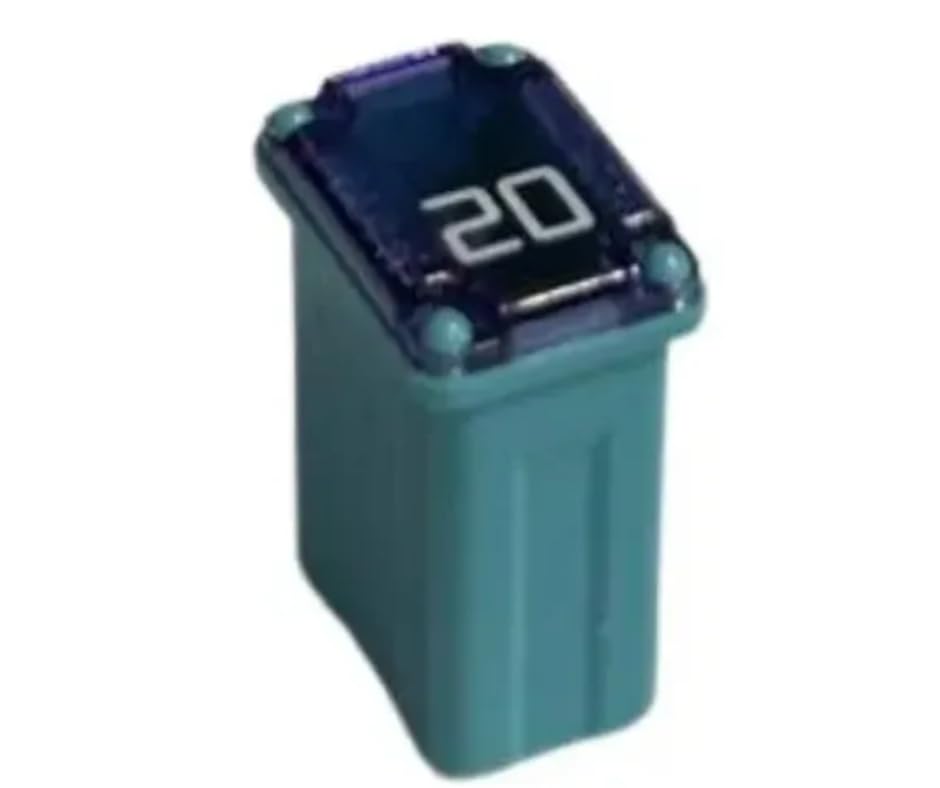
Figure 3.1: Front view of the 20 Ampere Mini Maxi Fuse, highlighting the amperage rating.
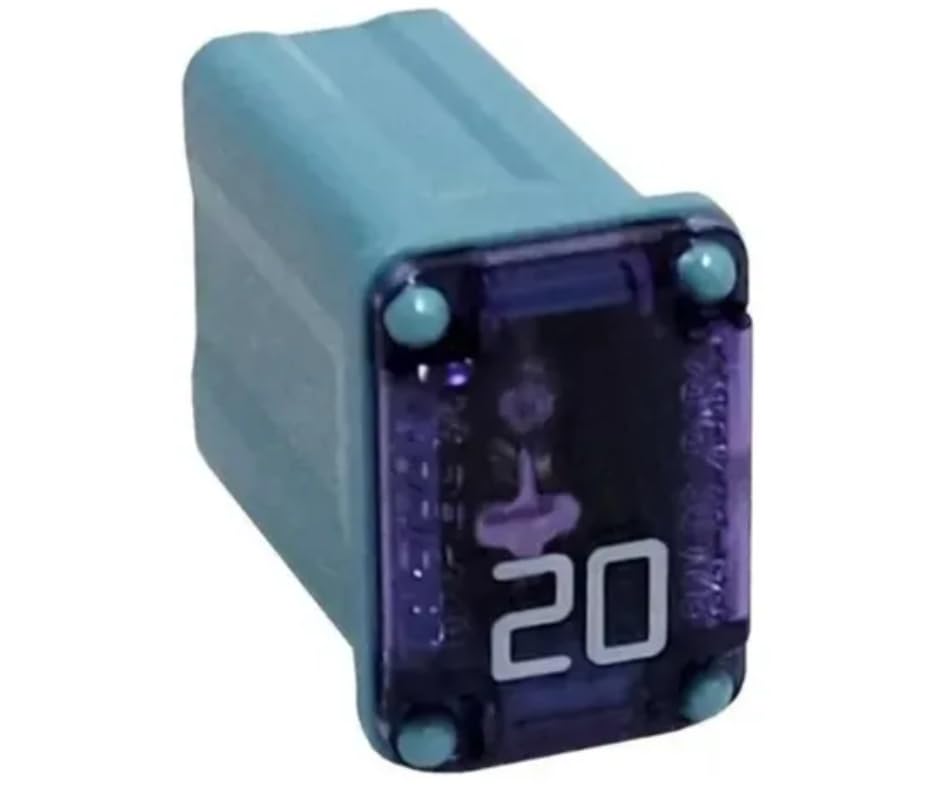
Figure 3.2: Side view of the fuse, illustrating the blade contacts for insertion into a fuse holder.
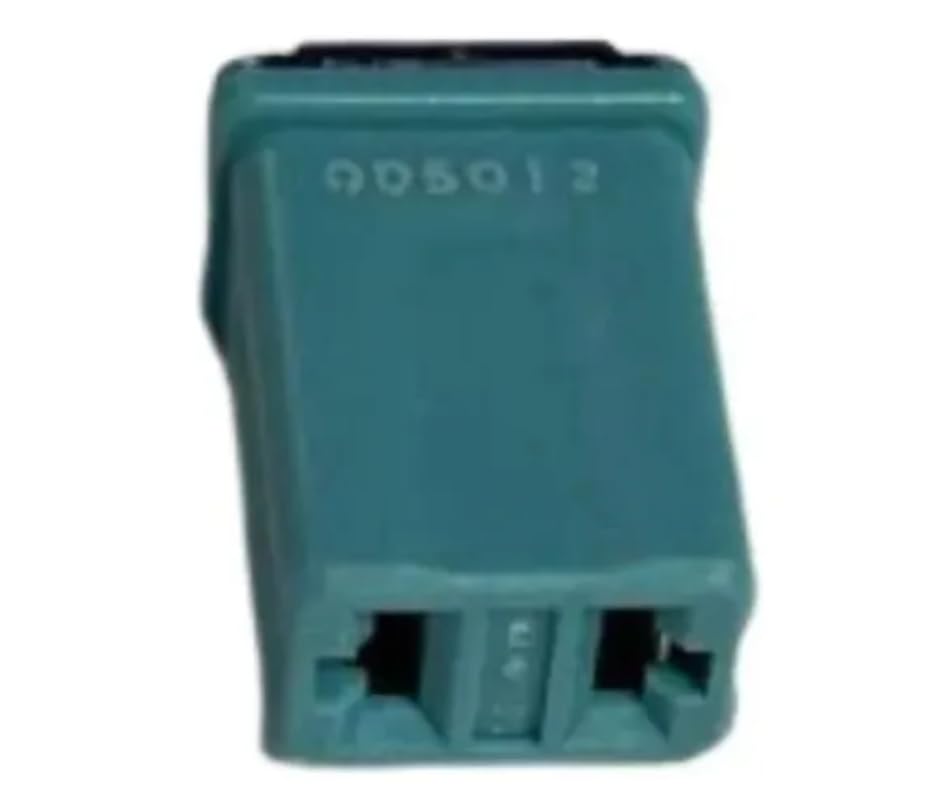
Figure 3.3: Bottom view of the fuse, showing the base and contact points.
4. Setup and Installation
- Identify the Blown Fuse: Locate the vehicle's fuse box (refer to your vehicle's owner's manual for its location). Identify the fuse that has blown. A blown fuse typically has a broken wire or discolored element visible through its transparent cap.
- Disconnect Power: Before removing any fuse, ensure the vehicle's ignition is off and, if possible, disconnect the negative terminal of the battery to prevent accidental short circuits.
- Remove the Blown Fuse: Use a fuse puller tool (often found in the fuse box lid or vehicle toolkit) to carefully remove the blown fuse. If a fuse puller is not available, small pliers can be used with caution.
- Verify Amperage: Confirm that the replacement fuse is of the exact same amperage rating (20A) as the original blown fuse.
- Insert New Fuse: Align the new Mini Maxi 20 Ampere fuse with the empty slot in the fuse box. Press it firmly into place until it is fully seated. Do not force it.
- Reconnect Power: Reconnect the vehicle's battery (if disconnected) and turn the ignition on to test the circuit.
Important: If the new fuse blows immediately, there is an underlying electrical issue that needs professional attention. Do not continue to replace fuses without addressing the root cause.
5. Operation
The Mini Maxi 20 Ampere Automotive Fuse operates as a sacrificial device designed to protect electrical components and wiring from damage due to excessive current. When the current flowing through the circuit exceeds 20 amperes, the metallic element inside the fuse melts, breaking the circuit and preventing further current flow. This action safeguards more expensive or critical components in the electrical system.
6. Maintenance
- Regular Inspection: Periodically inspect fuses in critical circuits, especially if you experience intermittent electrical issues. Visually check the transparent cap for any signs of a broken filament.
- Proper Storage: Store spare fuses in a dry, cool place, away from direct sunlight and extreme temperatures.
- Cleanliness: Ensure the fuse box and fuse contacts are free from dirt, dust, and corrosion, which can impede proper electrical connection.
7. Troubleshooting
Symptom: Electrical component (e.g., 12V socket) is not working.
- Check the Fuse: Locate the fuse associated with the non-functioning component in your vehicle's fuse box.
- Visual Inspection: Remove the fuse and visually inspect the filament through the transparent cap. If the filament is broken or melted, the fuse has blown.
- Replace Fuse: Replace the blown fuse with a new 20 Ampere Mini Maxi fuse, following the installation steps in Section 4.
- Persistent Issue: If the new fuse blows immediately or the component still does not work, there may be a short circuit or other electrical fault in the system. Seek professional automotive service.
8. Specifications
| Attribute | Detail |
|---|---|
| Fuse Type | Mini Maxi Blade Fuse (FMX) |
| Amperage Rating | 20 Amperes (20A) |
| Voltage Rating | 12V (Automotive Standard) |
| Material | Plastic body, Nickel-plated contacts |
| Color | Aqua Green body, Transparent Purple cap |
| Manufacturer Reference | DG9Z14526BA |
| ASIN | B0FCRZ6KYC |
9. Warranty and Support
As a generic automotive component, specific warranty information may vary depending on the retailer or point of purchase. For support regarding this product, please contact the seller directly. Ensure you retain your proof of purchase for any warranty claims.