
QHGTBFN 8982277220
Engine Thermostat Instruction Manual
Brand: QHGTBFN | Model: 8982277220
1. Product Overview
This manual provides essential information for the installation, operation, and maintenance of the QHGTBFN 8982277220 Engine Thermostat. This component is designed for specific ISUZU engine models, including 4JJ1, RZ4E-TCX, DMAX, MUX, 4JK1, rz4e, 2.5l, 3.0l, and 1.9l variants, and is engineered to regulate engine coolant temperature effectively.
The thermostat is a critical part of your vehicle's cooling system, ensuring the engine operates at its optimal temperature for efficiency and longevity. This specific model is an OEM equivalent, identified by the part number 8982277220.
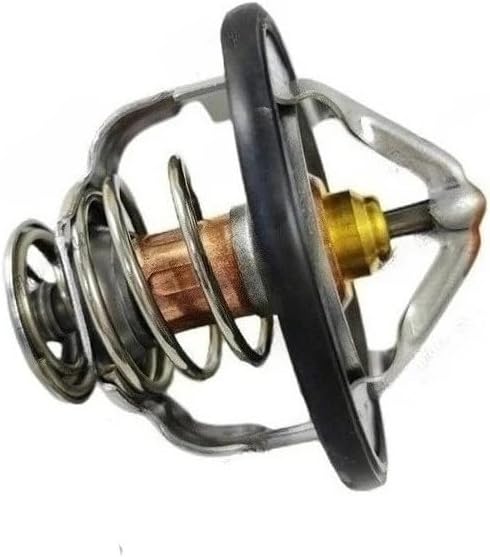
Figure 1: Side view of the thermostat, highlighting its internal components including the spring and brass element.
2. Safety Information
Always prioritize safety when working on vehicle systems. Failure to follow these guidelines may result in injury or damage to the vehicle.
- Ensure the engine is completely cool before beginning any work on the cooling system. Hot coolant and engine components can cause severe burns.
- Disconnect the vehicle's battery to prevent accidental electrical shorts or engine starting.
- Wear appropriate personal protective equipment (PPE), including safety glasses and gloves, to protect against coolant splashes and sharp edges.
- Dispose of old coolant responsibly according to local environmental regulations. Coolant is toxic.
- Refer to your vehicle's specific service manual for detailed instructions and torque specifications relevant to your make and model.
- If you are unsure about any step, consult a qualified automotive technician.
3. Setup and Installation
Installing an engine thermostat requires careful attention to detail. The following steps provide a general guide. Always consult your vehicle's specific repair manual for precise instructions.
- Drain Coolant: Place a drain pan under the radiator and open the drain cock to drain the engine coolant. Ensure the engine is cool.
- Locate Thermostat Housing: The thermostat is typically located in a housing at the end of the upper radiator hose, where it connects to the engine.
- Remove Housing: Loosen the clamp on the upper radiator hose and detach it from the thermostat housing. Then, unbolt the thermostat housing from the engine. Be prepared for residual coolant to spill.
- Remove Old Thermostat: Carefully remove the old thermostat and its gasket. Note its orientation for correct installation of the new one.
- Clean Mounting Surfaces: Thoroughly clean the mating surfaces on both the engine and the thermostat housing to ensure a proper seal. Remove any old gasket material.
- Install New Thermostat: Place the new QHGTBFN 8982277220 thermostat into the housing or engine block, ensuring it is oriented correctly (e.g., jiggle valve facing up, if present). Install a new gasket.
- Reattach Housing: Reinstall the thermostat housing, tightening bolts to the manufacturer's specified torque. Reconnect the upper radiator hose and secure its clamp.
- Refill Coolant: Refill the cooling system with the appropriate type and amount of coolant as specified by your vehicle manufacturer.
- Bleed Air: Start the engine and allow it to reach operating temperature. Monitor the coolant level and add more as needed. Bleed any trapped air from the system by running the engine with the heater on high and the radiator cap off (or using a specialized funnel) until no more bubbles appear.
- Check for Leaks: After the engine has cooled, recheck the coolant level and inspect all connections for leaks.

Figure 2: Top view of the thermostat, illustrating the valve and spring assembly.
4. Operating Principles
The engine thermostat is a temperature-sensitive valve that controls the flow of coolant between the engine and the radiator. Its primary function is to help the engine reach and maintain its optimal operating temperature quickly and efficiently.
- Cold Engine: When the engine is cold, the thermostat remains closed, preventing coolant from flowing to the radiator. This allows the engine to warm up faster.
- Warming Up: As the engine heats up, the wax pellet inside the thermostat expands, pushing a rod that opens the valve.
- Operating Temperature: Once the engine reaches its specified operating temperature (82℃ for this model), the thermostat opens fully, allowing coolant to circulate through the radiator to dissipate heat.
- Temperature Regulation: The thermostat continuously modulates its opening and closing to maintain a consistent engine temperature, adapting to varying driving conditions and engine loads.

Figure 3: Bottom view of the thermostat, showing the valve mechanism that controls coolant flow.
5. Maintenance
While the thermostat itself is not typically a maintenance item, regular maintenance of the overall cooling system is crucial for its proper function and longevity.
- Coolant Level Check: Regularly check the coolant level in the reservoir and radiator (when cool). Top up with the correct type of coolant as needed.
- Coolant Flush and Replacement: Follow your vehicle manufacturer's recommendations for coolant flush and replacement intervals. Old or contaminated coolant can lead to corrosion and thermostat malfunction.
- Hose Inspection: Periodically inspect radiator and heater hoses for cracks, bulges, or leaks. Replace any damaged hoses.
- Radiator Cap: Ensure the radiator cap is in good condition and holds pressure correctly. A faulty cap can affect cooling system efficiency.
- Visual Inspection: Look for any signs of coolant leaks around the thermostat housing or other cooling system components.
6. Troubleshooting
Common issues related to a faulty thermostat include:
- Engine Overheating: If the thermostat is stuck closed, coolant cannot circulate to the radiator, leading to rapid engine overheating. Symptoms include a rapidly rising temperature gauge and steam from under the hood.
- Engine Running Cold: If the thermostat is stuck open, coolant continuously flows through the radiator, preventing the engine from reaching its optimal operating temperature. Symptoms include a temperature gauge that never reaches normal operating range, poor fuel economy, and reduced heater performance.
- Erratic Temperature Readings: A partially failing thermostat can cause the engine temperature to fluctuate erratically.
If you suspect a thermostat issue, it is recommended to have it inspected by a qualified technician. A simple test involves observing the temperature gauge and feeling the upper radiator hose as the engine warms up.
7. Specifications
| Attribute | Value |
|---|---|
| Brand | QHGTBFN |
| OEM Part Number | 4JJ1 82 8-98227722-0 |
| Opening Temperature | 82℃ |
| Material | Plastic (housing components), Metal (thermostat element) |
| Colour | Black |
| Item Weight | 907 g (approx.) |
| Parcel Dimensions | 20.32 x 20.32 x 20.32 cm (approx.) |
| Origin | Mainland China |
8. Warranty and Support
Specific warranty information for the QHGTBFN 8982277220 Engine Thermostat is not provided in this manual. For details regarding warranty coverage, return policies, or technical support, please contact the seller or manufacturer directly through your purchase platform.
Always retain your proof of purchase for any warranty claims.
Ask a question about this manual
Ask about setup, troubleshooting, compatibility, parts, safety, or missing instructions. Manuals+ will review the question and use this page’s manual context to help answer it.