
1. Safety Information
Please read and understand all safety warnings and instructions before operating the pressure washer. Failure to follow these instructions may result in electric shock, fire, and/or serious injury.
- Always wear appropriate personal protective equipment (PPE) including safety glasses, hearing protection, and sturdy footwear.
- Never point the spray gun at people, pets, or electrical devices. The high-pressure spray can cause severe injury.
- Ensure all connections are secure before starting the unit to prevent leaks and loss of pressure.
- Operate the pressure washer in a well-ventilated area to avoid carbon monoxide poisoning from engine exhaust.
- Do not operate the unit near open flames or sparks. Gasoline is highly flammable.
- Keep children and pets away from the operating area.
- Allow the engine to cool completely before refueling or performing maintenance.
2. Package Contents
Verify that all items listed below are included in your package:
- AACULPET MTPW06 Gas Pressure Washer Unit
- 30-foot High-Pressure Hose with Built-in Reel
- Spray Gun
- Metal Spray Wand
- 5 Quick-Connect Nozzles (0°, 15°, 25°, 40°, and Soap)
- User Manual
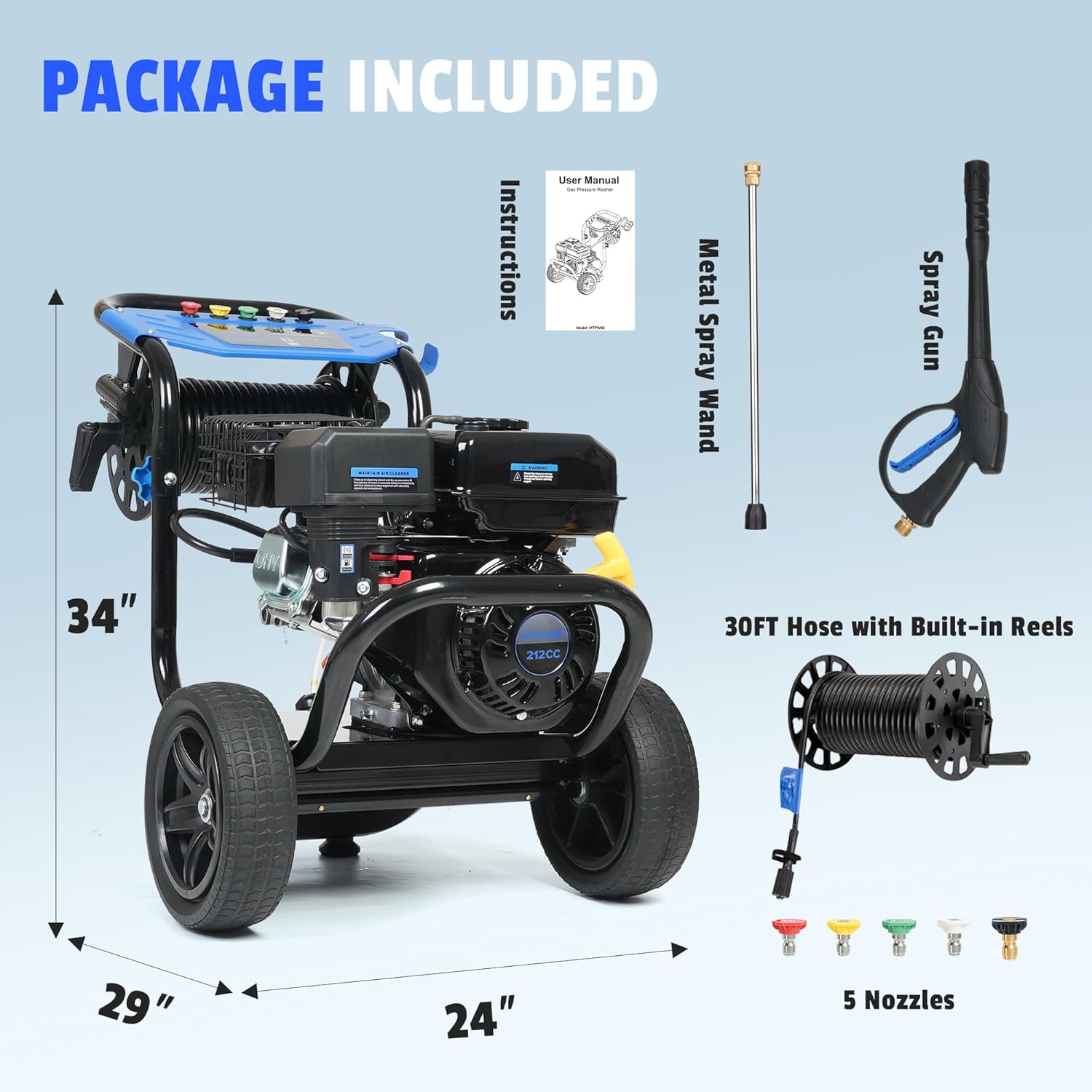
Figure 2.1: Included components and overall dimensions of the pressure washer.
3. Setup
3.1. Initial Assembly
Your pressure washer may require minor assembly. Refer to the included user manual for specific assembly instructions for the handle, wheels, and accessory holders.
3.2. Adding Engine Oil
Before first use, ensure the engine oil reservoir is filled to the recommended level. Use SAE 10W-30 motor oil.
- Locate the oil fill cap/dipstick on the engine.
- Remove the cap and carefully pour SAE 10W-30 motor oil into the reservoir using a funnel until the oil level reaches the 'L' mark on the dipstick. Do not overfill.
- Securely replace the oil fill cap.
3.3. Adding Fuel
Fill the fuel tank with fresh, unleaded gasoline. The fuel tank capacity is approximately 0.95 gallons (3.6 liters).
- Unscrew the fuel tank cap.
- Carefully pour gasoline into the tank using a funnel. Do not overfill.
- Securely replace the fuel tank cap.
3.4. Connecting Water Supply
Connect a garden hose to the pressure washer's water inlet. Ensure the water filter is properly inserted into the pump inlet to prevent debris from entering the pump.
- Insert the water filter into the pump inlet.
- Connect your garden hose to the water inlet. Ensure the connection is firm to prevent leaks.
- Connect the high-pressure hose to the pump outlet and to the spray gun. Ensure all connections are tightly secured.

Figure 3.1: The 212CC engine and axial pump assembly.

Figure 3.2: Visual guide for initial setup and starting.
3.5. Video Guide: How to Start the Pressure Washer
Video 3.1: A step-by-step guide on how to properly start the pressure washer, including adding oil and fuel, and connecting hoses.
4. Operating Instructions
4.1. Starting the Engine
- Turn on the water supply to the pressure washer.
- Squeeze the spray gun trigger to purge air from the pump and hose until a steady stream of water flows. Release the trigger.
- Turn the engine switch to the "ON" position.
- Open the fuel valve.
- Move the choke lever to the "CLOSE" position (for cold starts). If the engine is warm, move it to "OPEN".
- Locate the recoil cord and pull it slowly until resistance is felt, then pull rapidly to start the engine.
- Once the engine starts, gradually move the choke lever to the "OPEN" position.
4.2. Using Quick-Connect Nozzles
The pressure washer comes with 5 quick-connect nozzles for various cleaning tasks:
- 0° (Red): Intense pencil-point jet for stubborn stains and hard-to-reach areas. Use with extreme caution.
- 15° (Yellow): Focused spray for heavy-duty cleaning of hard surfaces like concrete and brick.
- 25° (Green): General cleaning spray for decks, patios, and fences.
- 40° (White): Wide, gentle spray for delicate surfaces like vehicles, windows, and furniture.
- Soap (Black): Low-pressure spray for applying detergent.

Figure 4.1: Quick-connect nozzles for diverse applications.
4.3. Using the Detergent Tank
The integrated 3-liter detergent tank allows for easy application of cleaning solutions.
- Fill the detergent tank with an appropriate pressure washer-safe cleaning solution.
- Attach the black soap nozzle to the spray wand. This nozzle activates the detergent injector.
- Spray the cleaning solution onto the desired surface. Allow it to soak for a few minutes (refer to detergent instructions).
- Switch to a high-pressure nozzle (e.g., 15°, 25°, or 40°) to rinse the surface thoroughly.
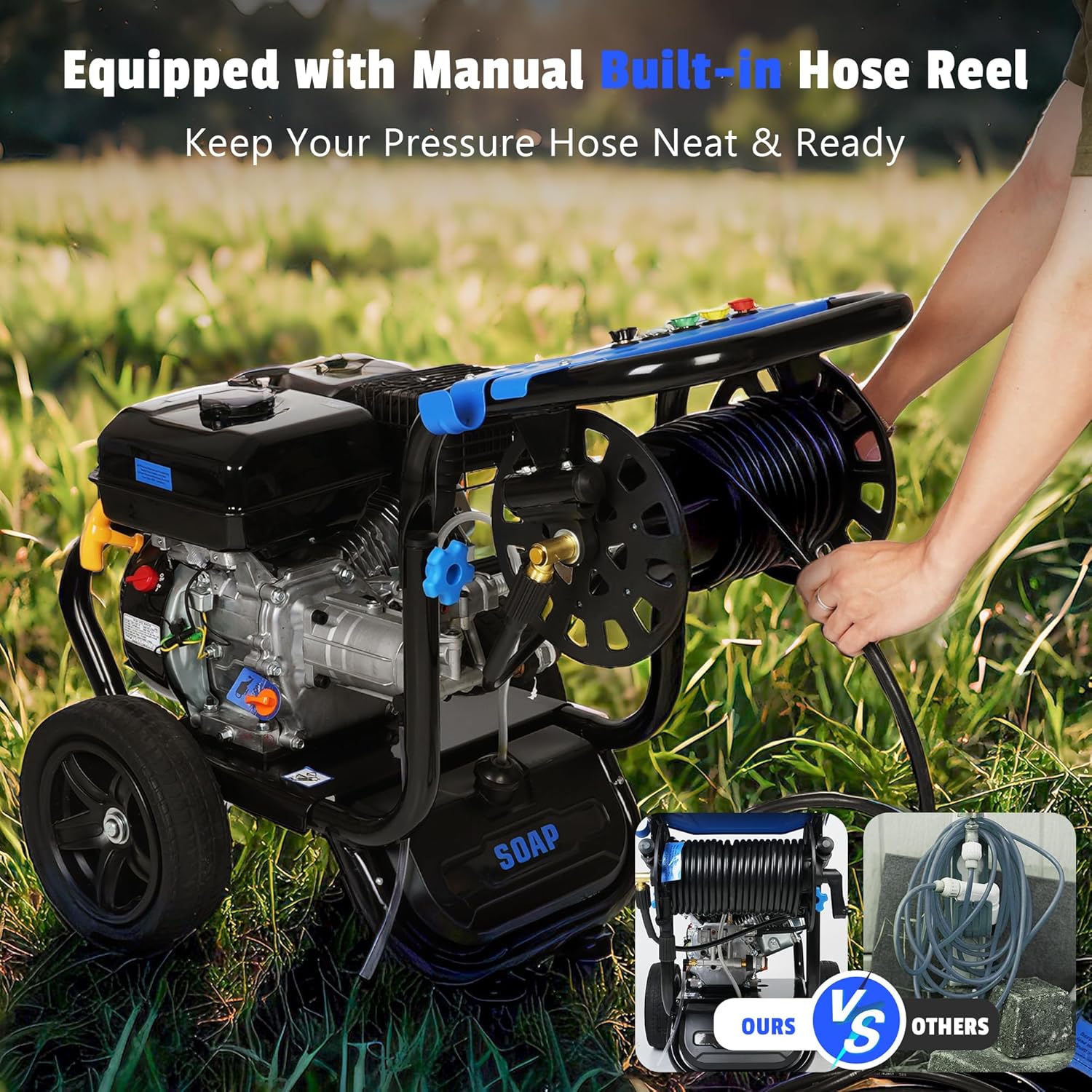
Figure 4.2: The 3-liter detergent tank for cleaning solutions.
4.4. Shutting Down the Pressure Washer
- Turn off the engine by moving the engine switch to the "OFF" position.
- Turn off the water supply.
- Squeeze the spray gun trigger to release any remaining pressure in the system.
- Disconnect the garden hose and high-pressure hose.
4.5. Video Guide: Pressure Washer Operation
Video 4.1: Demonstrates the general operation of a gas pressure washer, including setup and cleaning various surfaces.
5. Maintenance
Regular maintenance ensures optimal performance and extends the life of your pressure washer.
- Check Engine Oil: Check the oil level before each use and change it according to the engine manufacturer's recommendations (typically after the first 5 hours, then every 50 hours).
- Clean Air Filter: Inspect the air filter regularly and clean or replace it if it is dirty.
- Inspect Spark Plug: Check the spark plug annually and replace if necessary.
- Clean Water Filter: Regularly check and clean the water inlet filter to prevent blockages.
- Winterization: If storing the pressure washer in freezing temperatures, drain all water from the pump, hoses, and spray gun. Consider using a pump protector.
- Store Properly: Store the unit in a clean, dry area, away from direct sunlight and extreme temperatures.
6. Troubleshooting
| Problem | Possible Cause | Solution |
|---|---|---|
| Engine won't start | No fuel or low fuel level | Fill fuel tank with fresh gasoline. |
| Engine won't start | Engine switch in "OFF" position | Turn engine switch to "ON". |
| Engine won't start | Choke not set correctly | Adjust choke lever for cold or warm start. |
| Engine won't start | Low engine oil | Fill engine oil to recommended level. |
| Low pressure | Insufficient water supply | Ensure water faucet is fully open and garden hose is not kinked. |
| Low pressure | Clogged nozzle | Clean or replace the nozzle. |
| Low pressure | Air in pump | Purge air from the pump by squeezing the trigger with the engine off and water on. |
7. Specifications
| Feature | Specification |
|---|---|
| Brand | aaculpet |
| Model Number | MTPW06 |
| Power Source | Gas Powered |
| Maximum Pressure | 3600 PSI |
| Maximum Flow Rate | 2.3 Gallons Per Minute (GPM) |
| Engine Displacement | 212CC |
| Hose Length | 30 Feet (360 Inches) |
| Detergent Tank Volume | 3 Liters |
| Item Weight | 82 Pounds |
| Product Dimensions | 29"L x 24"W x 34"H |
8. Warranty and Support
AACULPET is committed to providing outstanding customer support. If you have any questions or concerns about your pressure washer, please contact our professional service team. We are ready to assist you promptly, ensuring a worry-free and satisfactory experience.
For warranty information and customer service, please refer to the contact details provided in your product packaging or visit the official AACULPET website.