1. Introduction
This manual provides comprehensive instructions for the installation, operation, and maintenance of your new FFGHUI Carburetor. This carburetor is designed for compatibility with various small engines, including Alpina A305, Alpina CJ300, Castor, and Zenoah G2500 2500 models. Please read this manual thoroughly before installation and use to ensure proper function and longevity of the product.
The FFGHUI Carburetor is manufactured to strict quality control standards, ensuring stable performance, high reliability, and ease of installation. Its robust construction from high-quality materials provides high hardness and strength for reliable operation.
2. Safety Information
Always observe the following safety precautions when handling, installing, or maintaining the carburetor:
- Ensure the engine is turned off and cooled down before beginning any work.
- Disconnect the spark plug wire to prevent accidental starting.
- Wear appropriate personal protective equipment (PPE), such as gloves and eye protection.
- Work in a well-ventilated area to avoid inhaling fuel fumes.
- Keep fuel and flammable materials away from ignition sources.
- If you are unsure about any step, consult a qualified technician.
3. Package Contents
Verify that all components are present and undamaged upon opening the package:
- 1 x FFGHUI Carburetor (compatible with Alpina A305 CJ300 / Zenoah G2500)
- (Additional components, if any, will be listed here by the manufacturer.)

Figure 1: Front view of the FFGHUI Carburetor. This image displays the main body of the carburetor, showing the throttle plate, choke mechanism, and fuel inlet.
4. Installation
Follow these steps for proper installation of the carburetor. Refer to your engine's specific service manual for detailed instructions on removing the old carburetor and accessing the mounting area.
- Preparation: Ensure the engine is off and cool. Disconnect the spark plug wire. Drain any fuel from the fuel tank if necessary.
- Remove Old Carburetor: Carefully disconnect the fuel lines, throttle linkage, and choke linkage from the old carburetor. Remove the mounting bolts and detach the old carburetor from the engine.
- Inspect Mounting Area: Clean the carburetor mounting surface on the engine, ensuring it is free of debris and old gasket material.
- Install New Carburetor:
- Place new gaskets (if supplied or required) onto the mounting studs.
- Position the new FFGHUI Carburetor onto the mounting studs.
- Secure it with the mounting bolts, tightening them evenly to the manufacturer's specified torque (refer to your engine manual).
- Reconnect Linkages and Fuel Lines:
- Reconnect the throttle linkage and choke linkage, ensuring they operate smoothly without binding.
- Reconnect the fuel lines, ensuring a secure fit to prevent leaks.
- Final Checks: Double-check all connections for tightness and proper routing. Reconnect the spark plug wire.
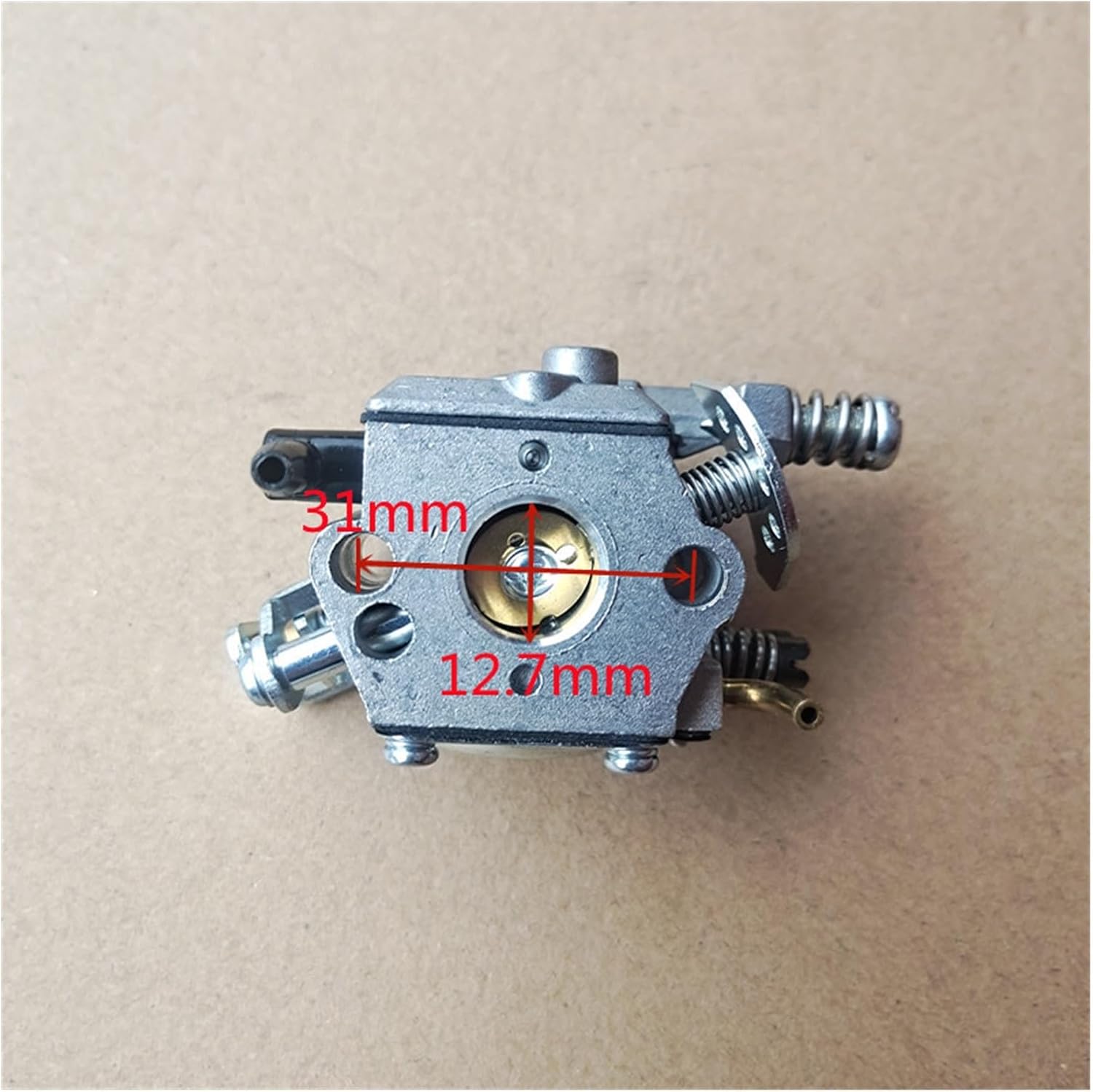
Figure 2: Side view of the FFGHUI Carburetor, illustrating key dimensions (31mm and 127mm). These measurements are critical for ensuring proper fitment in the engine.
5. Operation
After installation, the carburetor may require minor adjustments for optimal engine performance. Refer to your engine's manual for specific starting procedures and carburetor tuning guidelines.
5.1 Initial Start-up
- Fill the fuel tank with the appropriate fuel mixture as specified by your engine manufacturer.
- Prime the carburetor if your engine has a primer bulb, until fuel is visible.
- Set the choke to the "START" or "CLOSED" position.
- Start the engine according to its specific starting procedure.
- Once the engine fires, gradually move the choke to the "RUN" or "OPEN" position.
5.2 Carburetor Adjustments
Most small engine carburetors have adjustment screws for idle speed and fuel mixture. Consult your engine's service manual for the exact location and recommended settings for these screws. Typically:
- Idle Speed Screw: Adjusts the engine's RPM at idle. Turn clockwise to increase idle speed, counter-clockwise to decrease.
- Mixture Screws (High/Low Speed): These control the fuel-to-air ratio. Adjust in small increments (e.g., 1/8 turn) and observe engine response. Incorrect adjustment can lead to poor performance or engine damage.
Note: Some carburetors are factory-set and may not have adjustable mixture screws.
6. Maintenance
Regular maintenance ensures the longevity and optimal performance of your carburetor.
6.1 Cleaning
- External Cleaning: Keep the exterior of the carburetor clean from dirt, dust, and fuel residue. Use a clean cloth.
- Internal Cleaning (Advanced): If performance issues arise due to fuel contamination, the carburetor may need internal cleaning. This typically involves disassembling the carburetor, cleaning jets and passages with carburetor cleaner, and replacing gaskets. This procedure should only be performed by individuals with mechanical experience.
6.2 Fuel System Care
- Always use fresh, clean fuel. Stale or contaminated fuel is a primary cause of carburetor issues.
- Use a fuel stabilizer if storing the engine for extended periods.
- Regularly check and clean or replace the fuel filter to prevent debris from reaching the carburetor.

Figure 3: Top-down view of the FFGHUI Carburetor. This perspective highlights the various adjustment screws and linkages on the upper part of the carburetor body.
7. Troubleshooting
This section addresses common issues you might encounter. For more complex problems, consult a professional technician or your engine's service manual.
| Problem | Possible Cause | Solution |
|---|---|---|
| Engine won't start | No fuel, clogged fuel filter, incorrect choke setting, spark plug issue, carburetor jets clogged. | Check fuel level, inspect/replace fuel filter, adjust choke, check spark plug, clean carburetor. |
| Engine runs rough/stalls | Incorrect fuel mixture, clogged jets, air leak, dirty air filter. | Adjust mixture screws, clean carburetor, check for air leaks (gaskets), clean/replace air filter. |
| Fuel leaks from carburetor | Damaged gasket, loose connections, faulty float needle. | Inspect and replace gaskets, tighten connections, inspect/replace float needle. |
| Lack of power | Clogged high-speed jet, incorrect mixture, restricted exhaust. | Clean high-speed jet, adjust mixture, check exhaust for blockages. |
8. Specifications
Technical specifications for the FFGHUI Carburetor:
- Brand: FFGHUI
- Model Compatibility: Alpina A305, CJ300, Castor, Zenoah G2500 2500
- Item Weight: Approximately 1.76 ounces (50 grams)
- Package Dimensions: Approximately 0.39 x 0.39 x 0.39 inches (1 x 1 x 1 cm) - Note: These package dimensions seem unusually small and may refer to internal component dimensions or be placeholder data. Refer to Figure 2 for actual carburetor dimensions.
- Material: High-quality metal alloy (for durability and performance)

Figure 4: Angled view of the FFGHUI Carburetor. This image provides a different perspective, showing the various ports and mounting points.
9. Warranty and Support
Specific warranty information for this FFGHUI Carburetor is not provided in the product details. For warranty claims, technical support, or further assistance, please contact the seller or manufacturer directly through your purchase platform.
Ensure you have your purchase details (order number, date of purchase) available when contacting support.