
1. Introduction
This manual provides essential information regarding the YTGWLKCO Air Conditioning Inverter Board, model KFR-72W/BP3-330L.D.13.MP1-2V1.1. This component is designed to serve as a control module for compatible Midea air conditioning units, managing various operational aspects to ensure efficient and reliable performance.
Key Functions:
- Function: Controls the refrigeration, heating, wind speed, and temperature settings of the air conditioner.
- Power Input: Receives AC power and converts it into the appropriate voltage required for the operation of each internal module.
- Control Module: Processes sensor data and issues control instructions to regulate the compressor and fan, optimizing performance.
- Protection Function: Integrates safety features such as overload, overvoltage, and short circuit protection to ensure safe operation of the air conditioning system.
- Installation Location: Typically located inside either the indoor or outdoor unit of the air conditioner, facilitating connection with other system components.
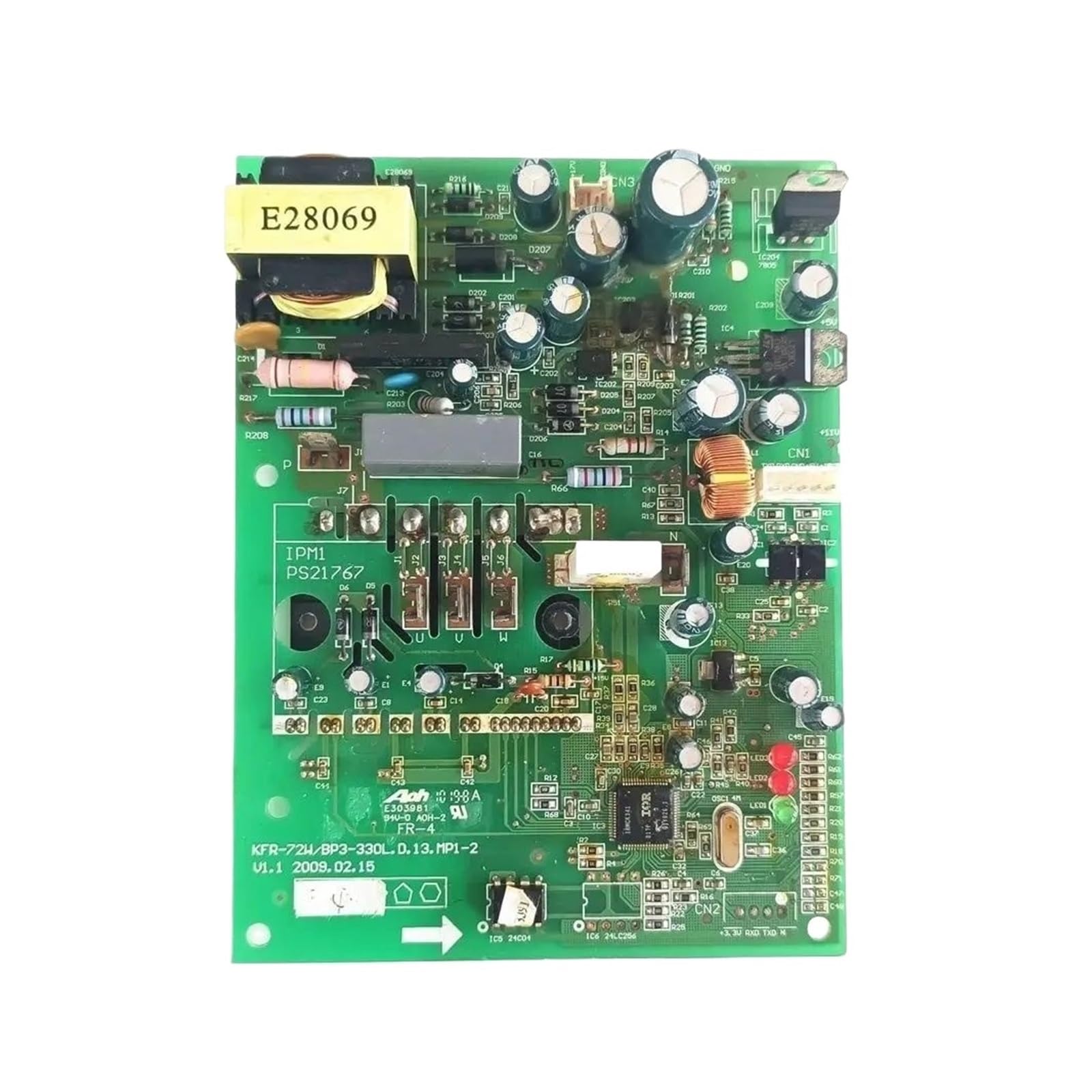
Figure 1: Overview of the YTGWLKCO Air Conditioning Inverter Board.
2. Setup and Installation
Installation of the Air Conditioning Inverter Board requires technical expertise and should only be performed by qualified service personnel. Improper installation can lead to equipment damage, electrical shock, or fire hazards.
Safety Precautions:
- Always disconnect the main power supply to the air conditioning unit before attempting any installation or maintenance.
- Wear appropriate personal protective equipment (PPE), including insulated gloves and safety glasses.
- Ensure the work area is dry and well-lit.
Installation Steps (Professional Installation Recommended):
- Power Disconnection: Turn off the main power supply to the air conditioning unit at the circuit breaker. Verify power is off using a voltage tester.
- Access the Unit: Open the casing of the indoor or outdoor unit to access the existing control board.
- Remove Old Board: Carefully disconnect all wiring harnesses and mounting screws from the old inverter board. Note the position of each connection for proper reinstallation.
- Install New Board: Position the new YTGWLKCO Inverter Board (Model KFR-72W/BP3-330L.D.13.MP1-2V1.1) in the designated slot. Secure it with the appropriate mounting screws.
- Connect Wiring: Reconnect all wiring harnesses to their corresponding ports on the new board. Ensure all connections are secure and correctly seated. Refer to the air conditioner's service manual for specific wiring diagrams if necessary.
- Close Unit: Close and secure the casing of the air conditioning unit.
- Restore Power: Restore power to the air conditioning unit at the circuit breaker.
- Test Operation: Initiate a test run of the air conditioner to confirm proper functionality of all modes (cooling, heating, fan speed).

Figure 2: Front view of the inverter board, showing various electronic components.

Figure 3: Back view of the inverter board, illustrating the circuit traces and integrated power module.
3. Operating Principles
The YTGWLKCO Air Conditioning Inverter Board functions as the central nervous system for your air conditioning unit, translating user commands and environmental data into precise operational instructions for the system's components.
Operational Overview:
- Signal Reception: The board receives signals from the air conditioner's remote control or control panel, indicating desired temperature, mode (cooling, heating, fan), and fan speed.
- Sensor Integration: It continuously monitors environmental conditions through various sensors (e.g., temperature, humidity) within the unit.
- Intelligent Control: Based on the received commands and sensor data, the inverter board intelligently adjusts the compressor speed and fan motor operation. This allows for variable refrigerant flow and air circulation, leading to more precise temperature control and energy efficiency.
- System Coordination: The board coordinates the operation of other components such as expansion valves, reversing valves (for heating/cooling), and defrost cycles, ensuring harmonious system performance.
- Diagnostic Feedback: It monitors the health of the system and can trigger error codes or protection mechanisms in case of malfunctions, safeguarding the unit.
4. Maintenance
Proper maintenance of the air conditioning system, including its electronic components, is crucial for longevity and efficient operation. While the inverter board itself requires minimal direct user maintenance, general system care is important.
General Maintenance Guidelines:
- Professional Inspection: It is recommended to have your air conditioning system, including the inverter board, inspected by a qualified HVAC technician annually.
- Keep Dry: Ensure the area where the air conditioning unit is installed remains dry and free from moisture, which can damage electronic components.
- Clean Air Filters: Regularly clean or replace the air filters of your indoor unit to maintain good airflow and prevent strain on the system.
- Clear Vents: Ensure that air intake and exhaust vents on both indoor and outdoor units are not obstructed.
- Avoid Physical Damage: Protect the air conditioning unit from physical impacts or excessive vibrations that could affect internal components.
Do not attempt to clean the inverter board directly with liquids or abrasive materials. Any cleaning or repair of the board should be handled by a professional.
5. Troubleshooting
If your air conditioning unit experiences issues, the inverter board may be a contributing factor. However, troubleshooting complex electronic components should be left to certified technicians.
Common Symptoms of Inverter Board Issues:
- No Power: The unit does not turn on, or there is no display on the control panel.
- Intermittent Operation: The unit turns on and off unexpectedly, or functions erratically.
- Incorrect Temperature Control: The air conditioner fails to maintain the set temperature, or blows air that is not adequately cooled or heated.
- Fan Malfunction: The indoor or outdoor fan does not operate, or operates at incorrect speeds.
- Error Codes: The air conditioner displays specific error codes on its panel. Consult your air conditioner's user manual for the meaning of these codes.
- Unusual Noises or Smells: Burning smells or unusual electrical noises emanating from the unit.
Action to Take:
- Power Cycle: Disconnect power to the air conditioner for a few minutes, then restore it. This can sometimes reset minor electronic glitches.
- Check Circuit Breaker: Ensure the circuit breaker for the air conditioner has not tripped.
- Contact a Professional: For any persistent issues or suspected inverter board malfunction, immediately contact a qualified HVAC technician. Do not attempt to repair the board yourself, as this can be dangerous and may void any warranties.
6. Specifications
Detailed technical specifications for the YTGWLKCO Air Conditioning Inverter Board, Model KFR-72W/BP3-330L.D.13.MP1-2V1.1.
- Model Number: KFR-72W/BP3-330L.D.13.MP1-2V1.1
- Item Weight: 1.76 ounces
- Package Dimensions: 0.39 x 0.39 x 0.39 inches
- Number of Pieces: 1
- Manufacturer (as listed): wenhao97
- Compatibility: Designed for Midea air conditioning units (verify specific model compatibility with a technician).

Figure 4: Close-up of the model number and manufacturing details on the board.
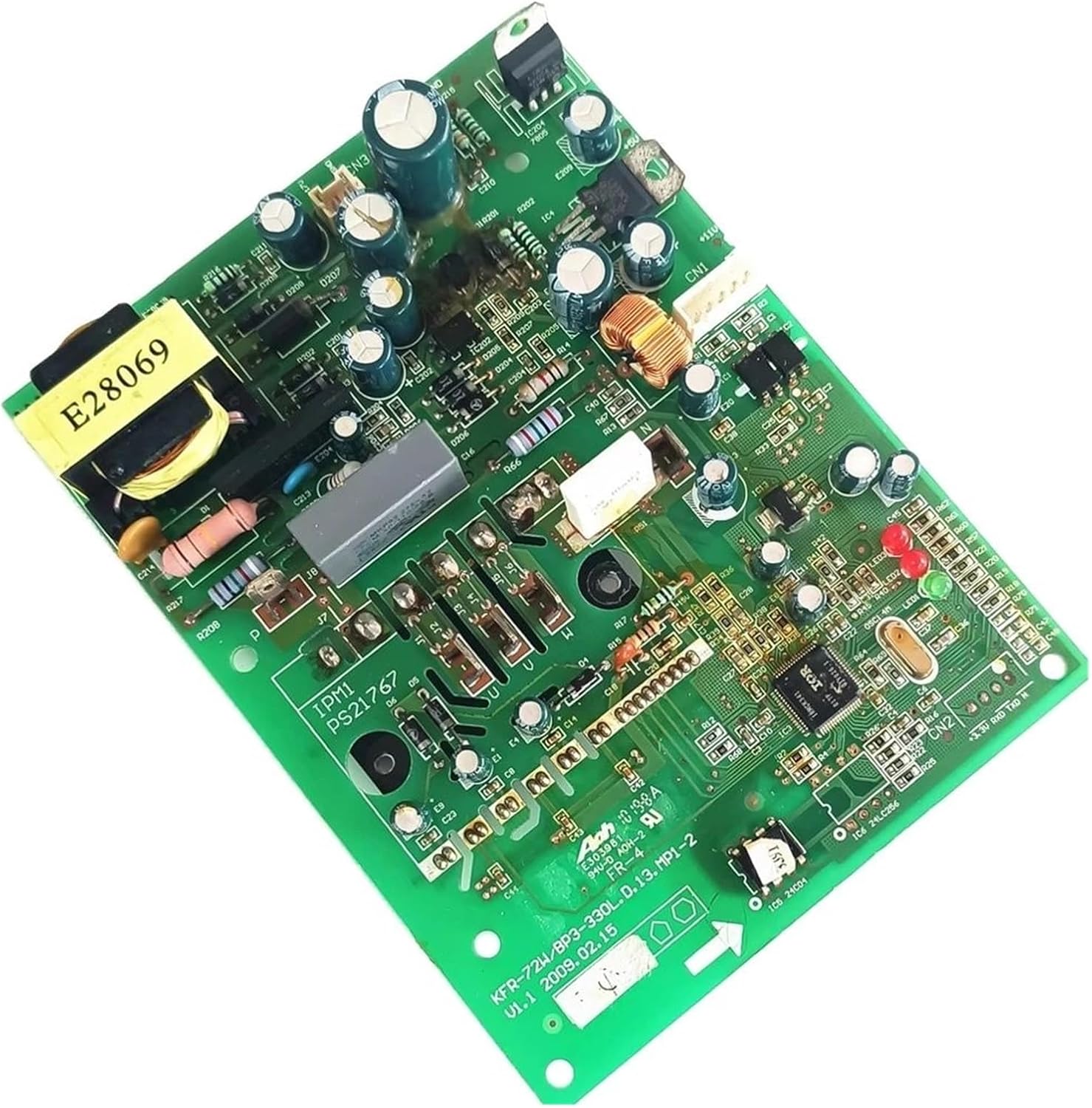
Figure 5: Angled perspective of the inverter board, highlighting its compact design.
7. Warranty and Support
For information regarding the warranty period and terms for your YTGWLKCO Air Conditioning Inverter Board, please refer to the documentation provided at the time of purchase or contact your seller directly. Warranty coverage typically applies to manufacturing defects and does not cover damage resulting from improper installation, misuse, or unauthorized repairs.
Technical Support:
If you require technical assistance or have questions regarding the compatibility or functionality of this inverter board, please contact the seller or a certified HVAC professional. Provide them with the full model number (KFR-72W/BP3-330L.D.13.MP1-2V1.1) and details of your air conditioning unit for accurate support.