
1. Introduction
This manual provides comprehensive instructions for the installation, operation, and maintenance of the JkorkM CP4 Disaster Prevention Kit. This kit is designed to protect your vehicle's fuel system from potential damage caused by CP4 pump failure by filtering out harmful contaminants and preventing them from entering the fuel system. Proper installation and regular maintenance are crucial for the longevity and performance of your vehicle.
2. Product Components and Compatibility
2.1. Package Contents
The JkorkM CP4 Disaster Prevention Kit includes the following components:
- 1x Fuel Filter & Filter Head
- 4x Quick Connect Hoses
- 1x Bracket
- 1x Accessories Kit (bolts, nuts, washers, clamps, zip ties, rubber isolators)
- 1x Installation Manual (this document)

Figure 1: Overview of all components included in the JkorkM CP4 Disaster Prevention Kit.

Figure 2: Detailed breakdown of the kit's contents, including fuel filter, filter head, bracket, quick connect hoses, and accessories kit.
2.2. Vehicle Compatibility
This kit is compatible with the following Ford vehicles equipped with a 6.7L Powerstroke Diesel engine:
- Ford F-250 Super Duty (2011-2022)
- Ford F-350 Super Duty (2011-2022)
- Ford F-450 Super Duty (2011-2022)
- Ford F-550 Super Duty (2011-2022)
Replaces OEM Part Number: 7031190, CP4-6.7F-BP-G2.1

Figure 3: Compatibility chart showing applicable Ford F-Series Super Duty models and years.
3. Installation Guide
Important Safety Notice:
Installation of this kit involves working with the vehicle's fuel system. It is highly recommended that installation be performed by a qualified professional mechanic. Improper installation can lead to fuel leaks, engine damage, or other serious issues. Always refer to your vehicle's specific service manual for detailed procedures and safety precautions.
While this kit is designed for direct replacement and ease of installation, the overall process can be complex, often requiring removal of engine intake parts to access the CP4 pump. This may be an all-day process for experienced individuals.
3.1. General Installation Steps (Consult Professional for Details)
- Preparation: Ensure the vehicle is cooled down, disconnected from the battery, and depressurize the fuel system according to the vehicle's service manual.
- Access: Gain access to the CP4 pump area. This typically involves removing various components such as the intake manifold, intercooler pipes, and other engine accessories.
- Disconnection: Carefully disconnect the existing fuel lines from the CP4 pump. Be prepared for residual fuel.
- Mounting: Install the new filter head and bracket in the designated location, ensuring it is securely fastened.
- Hose Connection: Connect the quick connect hoses from the kit to the appropriate points on the fuel system and the new filter head. Ensure all connections are secure and free of kinks. The braided hoses are designed for high pressure and wear resistance.
- Filter Installation: Install the new fuel filter onto the filter head.
- Reassembly: Reinstall all removed components, ensuring all connections and fasteners are tightened to manufacturer specifications.
- Priming: Prime the fuel system according to the vehicle's service manual to remove any air.
- Leak Check: Start the engine and carefully inspect all new connections for any signs of fuel leaks. Address any leaks immediately.

Figure 4: A reminder to consult a professional mechanic for installation if you are not confident in your skills.
4. Function and Operation
The JkorkM CP4 Disaster Prevention Kit functions as a bypass and filtration system. Its primary role is to intercept and filter out harmful contaminants, such as dirt, debris, and metal particles (down to 9 microns), from the fuel before they can reach the CP4 high-pressure fuel pump. This minimizes the impact of potential CP4 pump failure by preventing these impurities from circulating throughout the entire fuel system, which could lead to extensive and costly damage to injectors and other components.
The kit operates continuously whenever the engine is running, providing an additional layer of protection to maintain fuel cleanliness and enhance overall vehicle performance and reliability.
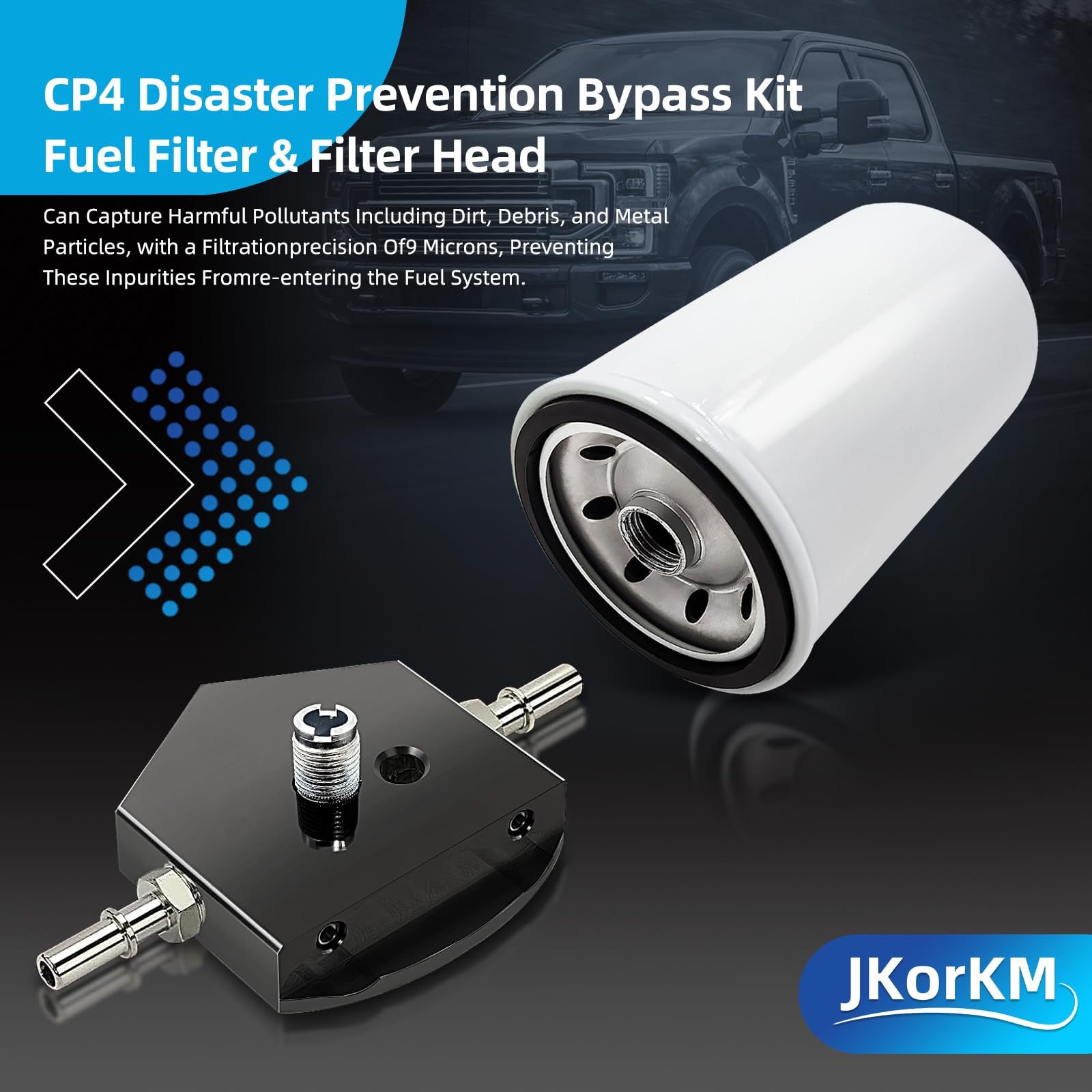
Figure 5: Illustration of the fuel filter and filter head, demonstrating its role in capturing harmful pollutants.
4.1. Connection Hoses
The kit utilizes upgraded braided hoses designed to meet OEM specifications. These hoses are made from reinforced materials, offering superior strength, high-pressure resistance (greater than 175 PSI / 12.0 Bar), and minimizing leakage and wear compared to traditional rubber hoses.

Figure 6: Detailed view of the upgraded braided connection hoses and quick-connect fittings, highlighting their robust design.

Figure 7: Comparison illustrating the advantages of braided hoses in terms of durability and resistance to rupture and leakage.
5. Maintenance and Replacement
Regular inspection and timely replacement of components are essential to ensure the continued effectiveness of the CP4 Disaster Prevention Kit.
5.1. When to Replace Parts
- Component Wear or Damage: Replace if you observe signs of rough engine operation, loss of power, fluctuating fuel pressure, or if metal shavings are found in the fuel filter.
- Leakage or Malfunction: If any leaks or malfunctions are detected within the bypass kit components, they should be replaced immediately to prevent further damage to the fuel system.
- Regular Maintenance: For high-mileage vehicles or those operating under demanding conditions, check the CP4 pump and install the kit to prevent damage. The fuel filter element should be replaced at recommended service intervals, typically every 15,000 to 30,000 miles, or as specified by your vehicle's manufacturer or the kit's instructions.
- Engine Performance Upgrades: If you upgrade your engine, a bypass kit can help protect the CP4 pump from additional pressure and stress.
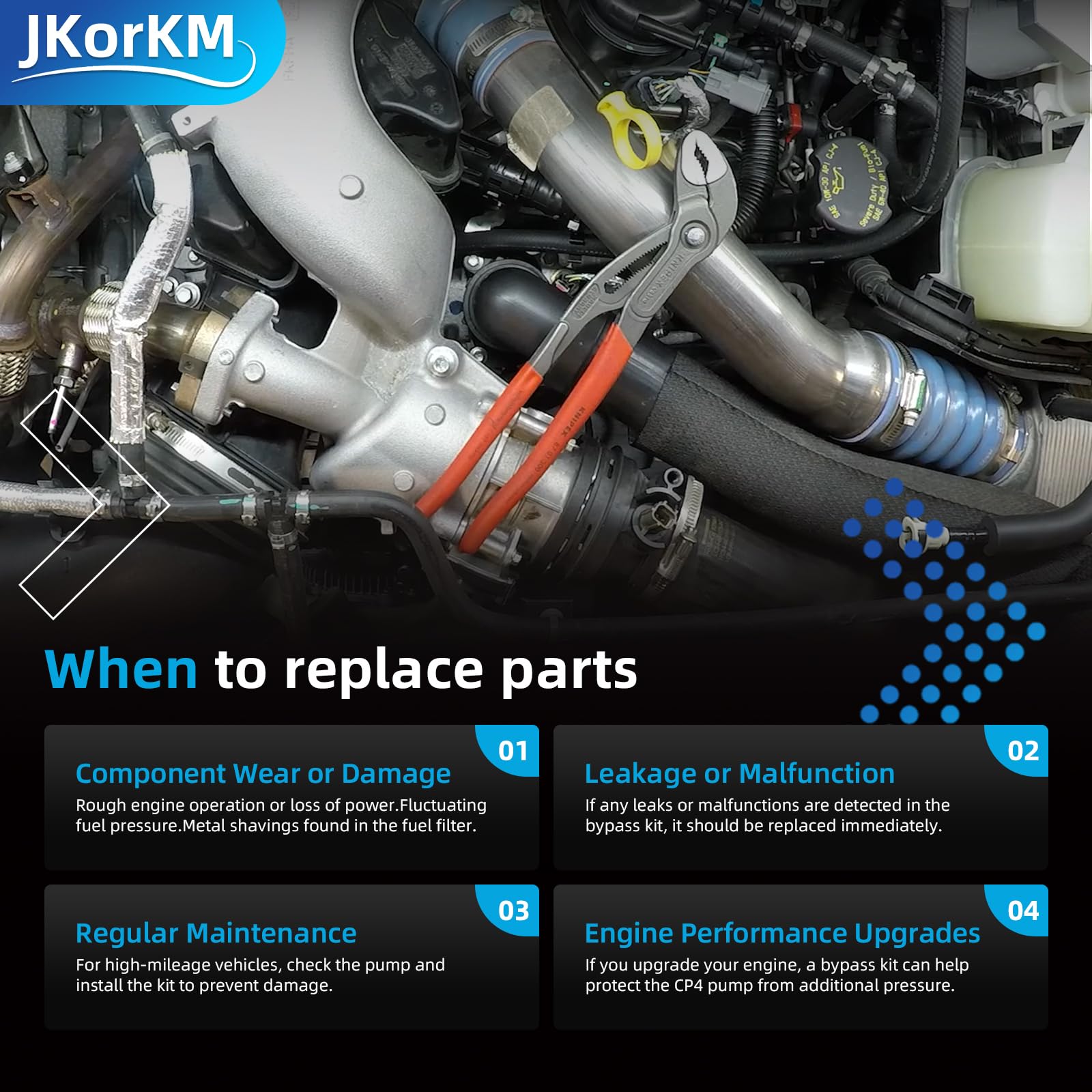
Figure 8: Guidelines for determining when to inspect or replace components of the CP4 Disaster Prevention Kit.
6. Troubleshooting
If you experience issues after installing the JkorkM CP4 Disaster Prevention Kit, consider the following:
- Fuel Leaks: Immediately shut off the engine. Inspect all connections for proper seating and tightness. Ensure O-rings and seals are correctly installed and not damaged.
- Engine Performance Issues (e.g., rough idle, loss of power):
- Check for air in the fuel system. Re-prime the system if necessary.
- Verify that the fuel filter is not clogged. Replace if dirty.
- Ensure all electrical connections (if any) are secure.
- Unusual Noises: Investigate the source of any new noises. This could indicate loose components or improper installation.
If troubleshooting steps do not resolve the issue, consult a qualified mechanic or contact JkorkM customer support.
7. Product Specifications
| Feature | Specification |
|---|---|
| Brand | JkorkM |
| Model Number | JM-7031190-BZK |
| OEM Part Number Replacement | 7031190, CP4-6.7F-BP-G2.1 |
| Vehicle Service Type | Truck (Ford F-Series Super Duty) |
| Engine Compatibility | 6.7L Powerstroke Diesel (2011-2022) |
| Outer Material | Plastic (Filter Head), Braided Hoses |
| Item Weight | 1.87 Kilograms (approx. 4.11 pounds) |
| Product Dimensions | 9.57 x 4.11 x 11.61 inches (packaging) |

Figure 9: Key dimensions of the kit's components, including hose lengths and filter head measurements.
8. Support Information
JkorkM is committed to providing premium products and excellent customer service. If you have any questions regarding the installation, operation, or maintenance of your CP4 Disaster Prevention Kit, please contact our customer support team.
We aim to resolve your concerns within 24 hours.
For further assistance, please refer to the contact information provided with your purchase or visit the official JkorkM store page.