
1. Introduction
This manual provides essential information for the proper installation, operation, maintenance, and troubleshooting of your new CUIPPWRJ carburetor. Please read these instructions carefully before attempting any installation or operation to ensure safe and efficient use. This carburetor is designed for compatibility with SUMEC SPE175 (171CC/175CC 5.5HP) and SPE195 (193CC 6.5HP) gas engines.
2. Product Overview
The CUIPPWRJ carburetor is a precision-engineered component designed to mix air and fuel in the correct ratio for internal combustion engines, ensuring optimal performance and fuel efficiency. It is a direct replacement part for the specified SUMEC engine models.
2.1 Package Contents
- 1 x CUIPPWRJ Carburetor
- 1 x Fuel Hose
2.2 Key Features
- Durable: Constructed with high-quality materials for long-lasting performance.
- Compatible: Specifically designed to fit SUMEC SPE175 and SPE195 gas engine models.
- Efficient: Engineered to restore and optimize engine performance.
- Versatile: Suitable for various applications requiring the specified engine types.
- Affordable: Provides a cost-effective solution for carburetor replacement.

Image 1: Top-down view of the CUIPPWRJ carburetor and included fuel hose.

Image 2: Front view of the carburetor, showing the air intake and fuel inlet.
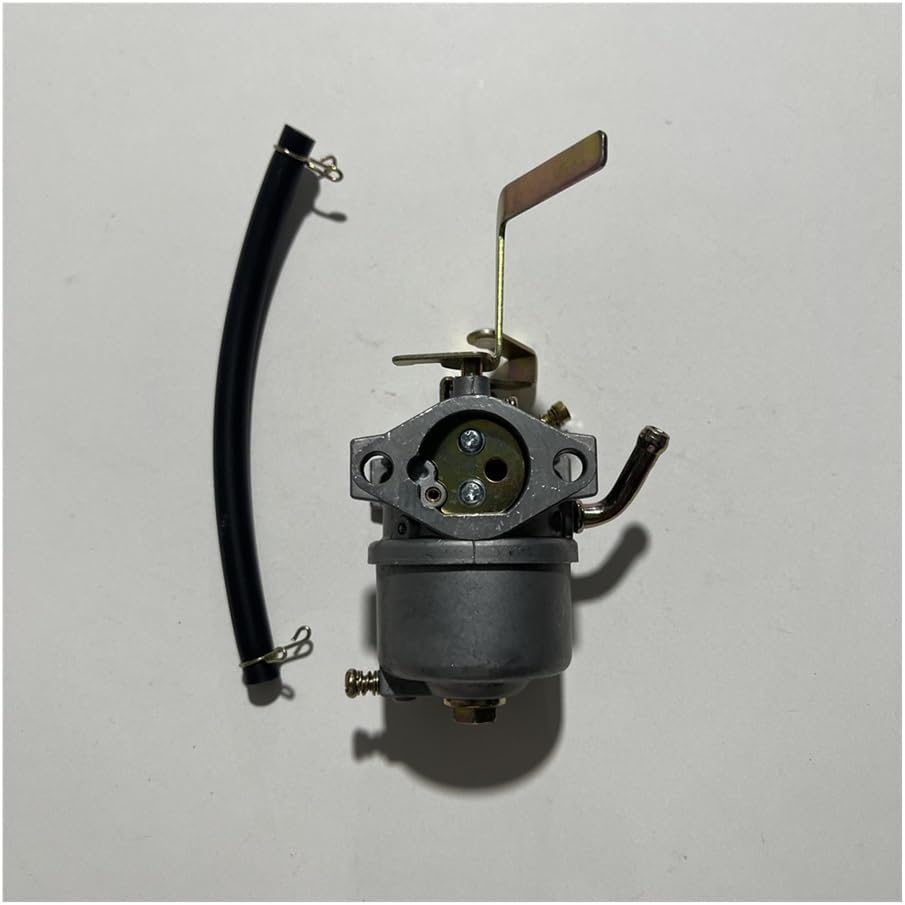
Image 3: Rear view of the carburetor, highlighting the throttle linkage.

Image 4: Close-up of the carburetor's top section, showing the choke and throttle mechanisms.

Image 5: Close-up of the carburetor's side, detailing the fuel bowl and adjustment screws.
3. Installation Instructions
Safety First: Always ensure the engine is turned off, cooled down, and disconnected from any power source (e.g., spark plug wire removed) before beginning installation. Wear appropriate safety gear, including gloves and eye protection.
3.1 Before Installation
- Gather necessary tools (wrenches, screwdrivers, pliers).
- Ensure the work area is well-ventilated and free of flammable materials.
- Drain any fuel from the engine's fuel tank and fuel lines.
- Take photos of the existing carburetor's connections for reference during reassembly.
3.2 Installation Steps
- Remove Air Filter Assembly: Carefully detach the air filter housing and filter element to gain access to the carburetor.
- Disconnect Fuel Line: Use pliers to loosen the clamp on the fuel line connected to the old carburetor. Have a rag ready to catch any residual fuel.
- Disconnect Linkages: Detach the throttle and choke linkages from the old carburetor. Note their positions.
- Remove Mounting Bolts: Unscrew the bolts or nuts securing the old carburetor to the engine manifold.
- Remove Old Carburetor: Carefully pull the old carburetor away from the engine, ensuring no small parts are lost.
- Install New Carburetor: Position the new CUIPPWRJ carburetor onto the engine manifold, ensuring gaskets (if applicable) are correctly seated.
- Secure Mounting Bolts: Reinstall and tighten the mounting bolts evenly. Do not overtighten.
- Reconnect Linkages: Attach the throttle and choke linkages to the new carburetor in their original positions. Test for smooth operation.
- Reconnect Fuel Line: Attach the new fuel hose (or existing one if in good condition) to the carburetor's fuel inlet and secure it with a clamp.
- Reinstall Air Filter Assembly: Reattach the air filter element and housing.
- Refill Fuel: Add fresh fuel to the engine's fuel tank.
- Prime Carburetor (if applicable): If your engine has a primer bulb, press it several times until fuel is visible.
4. Operation Guidelines
After successful installation, follow your engine's manufacturer guidelines for starting and operating. The new carburetor should provide consistent fuel delivery for smooth engine performance.
- Choke Operation: For cold starts, engage the choke fully. As the engine warms up, gradually disengage the choke.
- Throttle Control: Use the throttle lever to control engine speed as required by your equipment.
- Initial Start: It may take a few pulls to draw fuel into the new carburetor. If the engine does not start after several attempts, refer to the troubleshooting section.
5. Maintenance
Regular maintenance ensures the longevity and optimal performance of your carburetor and engine.
5.1 Cleaning
- Air Filter: Regularly inspect and clean or replace the air filter according to your engine's manual. A dirty air filter can restrict airflow and affect carburetor performance.
- Fuel System: Use fresh, clean fuel. Consider using a fuel stabilizer if the engine will be stored for extended periods.
- Carburetor Exterior: Keep the exterior of the carburetor clean from dirt and debris.
5.2 Storage
- If storing the engine for more than 30 days, drain the fuel tank and run the engine until it stops from lack of fuel, or use a fuel stabilizer. This prevents fuel degradation and gumming in the carburetor.
- Store the engine in a clean, dry environment.
6. Troubleshooting
Refer to the table below for common issues and their potential solutions.
| Problem | Possible Cause | Solution |
|---|---|---|
| Engine will not start | No fuel, old fuel, clogged fuel filter, incorrect choke setting, spark plug issue | Check fuel level, replace old fuel, clean/replace fuel filter, adjust choke, check/replace spark plug |
| Engine runs rough/stalls | Dirty air filter, fuel contamination, carburetor adjustments needed, loose connections | Clean/replace air filter, drain and refill with fresh fuel, inspect carburetor for debris, ensure all connections are secure |
| Engine lacks power | Dirty air filter, restricted exhaust, carburetor not tuned correctly | Clean/replace air filter, check exhaust for blockages, consult a professional for carburetor tuning |
| Fuel leaks from carburetor | Loose fuel line, damaged gasket, stuck float, cracked fuel bowl | Tighten fuel line, replace gaskets, clean float needle valve, inspect for damage and replace if necessary |
7. Specifications
| Specification | Detail |
|---|---|
| Brand Name | CUIPPWRJ |
| Model Number | CUIPPWRJ123 |
| Manufacturer | CUIPPWRJ |
| Item Weight | 50 Grams |
| Unit Count | 1.0 Count |
| ASIN | B0F88FWTJ5 |
| Compatibility | SUMEC SPE175 (171CC/175CC 5.5HP), SUMEC SPE195 (193CC 6.5HP) Gas Engines |
8. Warranty and Support
For warranty information or technical support, please refer to the seller's return policy or contact the retailer from whom the product was purchased. Keep your proof of purchase for any warranty claims.
For further assistance, you may also visit the CUIPPWRJ brand's official support channels if available, or consult a qualified engine technician.