
1. Important Safety Information
Read and understand all safety warnings and instructions before operating this pressure washer. Failure to follow these instructions may result in serious injury or property damage.
- Ventilation: Operate the pressure washer in a well-ventilated area to prevent carbon monoxide poisoning. Never operate indoors.
- Fuel Safety: Handle gasoline with extreme care. Store fuel in an approved container in a well-ventilated area away from ignition sources. Do not refuel a hot engine.
- High Pressure Spray: The spray from the pressure washer can cause serious injury. Never direct the spray at people, pets, or electrical devices. Always wear appropriate eye protection.
- Electrical Safety: Ensure all electrical connections are dry and secure. Do not operate in standing water.
- Stability: Operate the unit on a stable, level surface to prevent tipping.
- Children and Pets: Keep children and pets away from the pressure washer during operation.
2. Product Overview and Components
The Pressure-Pro PP4440K is a robust gas-powered pressure washer designed for demanding cleaning tasks. Familiarize yourself with its key components:
- Engine: CH440 Engine, providing reliable power.
- Pump: AR exclusive Pressure-Pro pump (RSV4G40HDF40EZ) for high performance.
- Wheels: Flat-free airless tires for easy maneuverability and no maintenance.
- Handle: Soft grip handle and ergonomically designed for portability.
- Hose: Industrial gray non-marking 50' hose for extended reach.
- Wand: 33" spray wand/lance for precise cleaning.
- Nozzles: Equipped with 4 quick-connect spray nozzles (15, 25, 40, 65 Degrees) and a Low-Pressure chemical nozzle.
- Storage: Heavy-duty steel gun/wand & hose holder for organized storage.

Figure 2.1: Front view of the Pressure-Pro PP4440K pressure washer, showing the engine, pump, hose, and wand.

Figure 2.2: Side view of the pressure washer, highlighting the extended spray wand and hose connection.

Figure 2.3: Opposite side view, showing the coiled hose and the overall compact design.

Figure 2.4: Rear view of the unit, displaying the engine and frame structure.
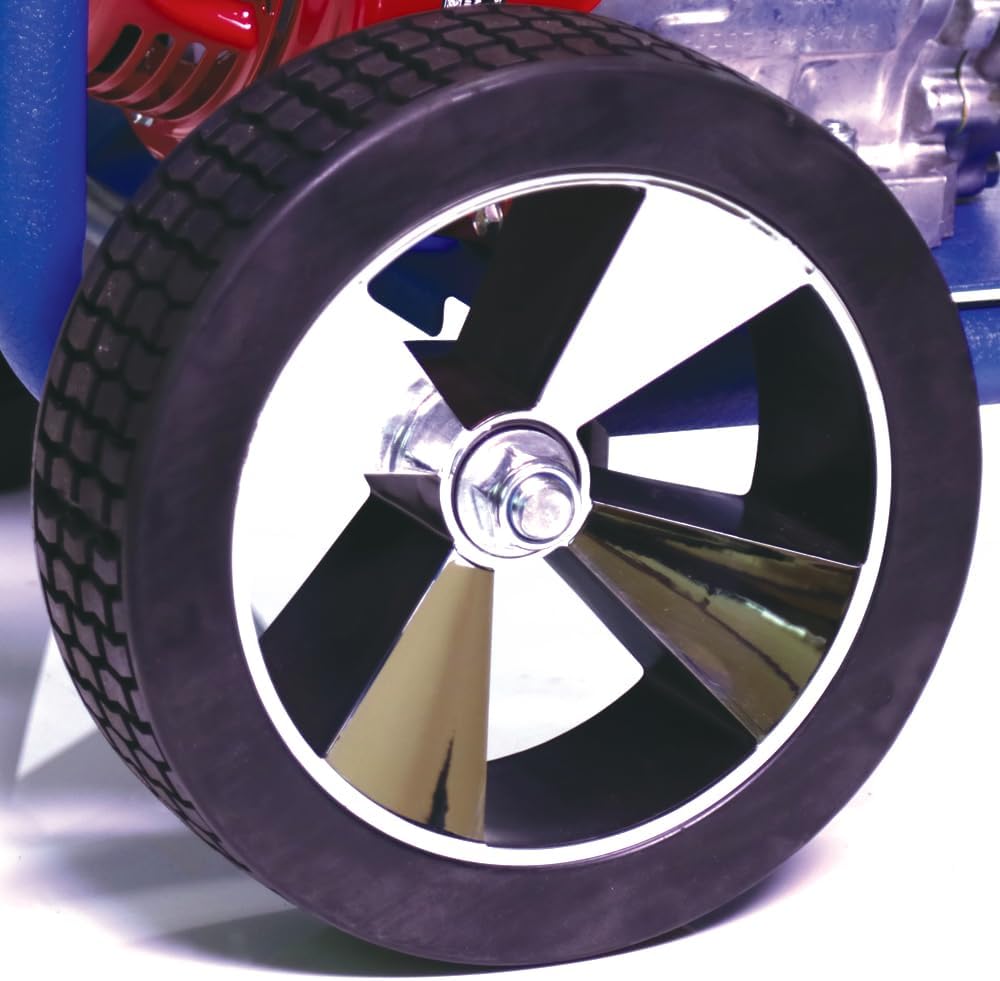
Figure 2.5: Detailed view of the engine and pump assembly, highlighting key mechanical components.

Figure 2.6: Close-up of the flat-free airless tire, designed for durability and ease of movement.
3. Setup and Assembly
Follow these steps to prepare your pressure washer for first use:
- Unpacking: Carefully remove all components from the packaging. Ensure all parts listed in the manual are present.
- Handle Assembly: Attach the handle to the main frame. Secure with provided hardware.
- Add Engine Oil: Fill the engine crankcase with the recommended type and amount of engine oil (refer to engine manual for specifics). Do not overfill.
- Add Fuel: Fill the fuel tank with fresh, unleaded gasoline. Do not use E85 or other ethanol blends not approved for small engines. Ensure the fuel cap is securely tightened.
- Connect Water Supply: Attach a garden hose (minimum 5/8 inch diameter) to the water inlet on the pump. Ensure the water supply is clean and free of debris. Turn on the water supply fully.
- Connect High-Pressure Hose: Connect one end of the high-pressure hose to the pump's high-pressure outlet and the other end to the spray gun. Tighten all connections securely.
- Attach Spray Wand: Attach the spray wand to the spray gun. Select the desired quick-connect nozzle and insert it into the end of the wand until it clicks into place.
- Purge Air from System: Squeeze the trigger on the spray gun to allow water to flow through the pump and hose, purging any air from the system. Continue until a steady stream of water emerges.
4. Operating Instructions
Once setup is complete, follow these steps to operate your pressure washer:
- Engine Start-up:
- Ensure the water supply is fully on and air is purged from the system.
- Set the engine switch to the "ON" position.
- Move the choke lever to the "FULL CHOKE" position (if engine is cold).
- Move the throttle lever to the "FAST" position.
- Pull the recoil starter handle firmly until the engine starts.
- Once the engine starts, gradually move the choke lever to the "RUN" position.
- Using Spray Nozzles:
The pressure washer comes with various quick-connect nozzles for different applications:
- 0 Degree (Red): Pin-point stream for intense cleaning of small, tough spots. Use with extreme caution.
- 15 Degree (Yellow): Narrow, high-pressure spray for stubborn stains on hard surfaces.
- 25 Degree (Green): Medium-angle spray for general cleaning of most surfaces.
- 40 Degree (White): Wide-angle spray for gentle cleaning of delicate surfaces or large areas.
- 65 Degree (Black/Blue): Low-pressure chemical nozzle for applying detergents.
Always change nozzles with the engine off and the spray gun pointed in a safe direction.
- Cleaning Techniques:
Start with a lower pressure nozzle and work your way up if needed. Maintain a consistent distance from the surface to avoid damage. For detergent application, use the low-pressure nozzle and follow detergent manufacturer instructions.

Figure 4.1: The pressure washer is effective for cleaning vehicles, removing dirt and grime.

Figure 4.2: Ideal for cleaning various outdoor surfaces such as decks, patios, and fences.

Figure 4.3: Suitable for a wide range of home cleaning projects, including siding and driveways.

Figure 4.4: Capable of handling heavy-duty cleaning jobs, such as removing tough grime from concrete.
- Shutting Down:
- Turn off the engine.
- Turn off the water supply.
- Squeeze the trigger on the spray gun to release any remaining pressure in the system.
- Disconnect the garden hose and high-pressure hose.
5. Maintenance
Regular maintenance ensures optimal performance and extends the life of your pressure washer. Always disconnect the spark plug wire before performing any maintenance.
- Engine Oil: Check engine oil level before each use. Change oil after the first 5 hours of operation, then every 50 hours or annually.
- Air Filter: Clean or replace the air filter regularly, especially in dusty conditions.
- Spark Plug: Inspect and clean the spark plug annually. Replace if necessary.
- Pump Maintenance:
- Inlet Screen: Periodically check and clean the water inlet screen for debris.
- Winterization: If storing in freezing temperatures, winterize the pump with pump saver solution to prevent damage.
- Hose and Nozzles: Inspect the high-pressure hose for cuts, kinks, or leaks before each use. Clean nozzles regularly to prevent clogs.
- General Cleaning: Keep the exterior of the pressure washer clean. Remove any dirt or debris from the engine cooling fins.
6. Troubleshooting
Refer to this section for common issues and their solutions:
| Problem | Possible Cause | Solution |
|---|---|---|
| Engine will not start | No fuel; Engine switch OFF; Choke not set; Spark plug issue; Low oil shutdown. | Add fresh fuel; Turn engine switch ON; Adjust choke; Check/replace spark plug; Add engine oil. |
| Low or no pressure | Insufficient water supply; Clogged nozzle; Air in pump; Kinked hose; Worn pump seals. | Ensure full water flow; Clean nozzle; Purge air from system; Straighten hose; Contact service for pump repair. |
| Engine runs rough | Stale fuel; Clogged air filter; Dirty spark plug. | Drain and refill with fresh fuel; Clean/replace air filter; Clean/replace spark plug. |
| Water leaks from pump | Loose fittings; Damaged O-rings; Cracked pump housing. | Tighten fittings; Replace O-rings; Contact service for pump repair. |
7. Specifications
| Attribute | Value |
|---|---|
| Brand | Pressure-Pro |
| Model Number | PP4440K |
| Power Source | Gas Powered |
| Maximum Pressure | 4400 PSI |
| Maximum Flow Rate | 4.0 GPM |
| Engine Type | CH440 Engine |
| Hose Length | 50 Feet |
| Wand Length | 33 Inches |
| Item Weight | 122.8 Pounds |
| Product Dimensions (L x W x H) | 21.5" x 22.5" x 40.2" |
| UPC | 871924008669 |
8. Warranty and Support
For warranty information, technical support, or to order replacement parts, please contact Pressure-Pro customer service directly. Refer to the contact information provided with your purchase documentation or visit the official Pressure-Pro website.
Note: Specific warranty terms and conditions may vary. Keep your proof of purchase for warranty claims.