1. Introduction
1.1 Product Overview
This manual provides comprehensive instructions for the safe and effective installation, operation, and maintenance of your new refrigerator ice maker assembly. This component is designed to replace original ice maker units in compatible Kenmore and Whirlpool refrigerators, ensuring your appliance continues to produce ice efficiently.
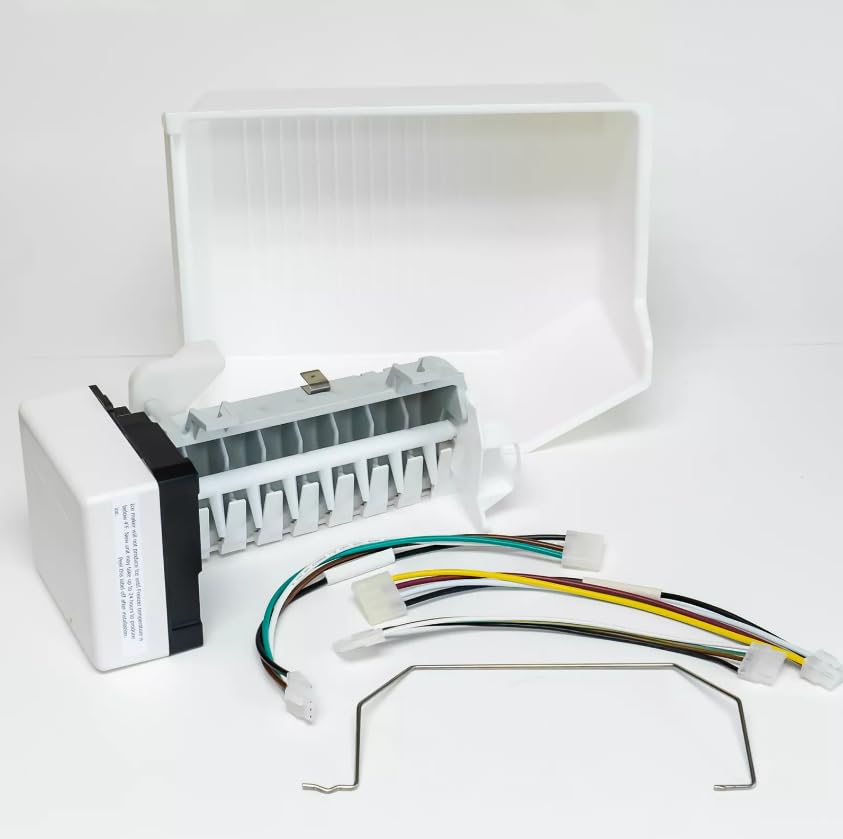
Image 1.1: Front view of the Refrigerator Ice Maker Assembly.
1.2 Compatibility
This ice maker assembly is a replacement part compatible with a wide range of Kenmore and Whirlpool refrigerator models. Please verify your refrigerator's model number against the compatibility list provided with your purchase or on the product packaging to ensure proper fit and function. This assembly replaces various part numbers including, but not limited to, 10661999100, 1064650043714, 10661989107, 10670187000, 10660834101, 10650043714, 10639437990, 10662144201, 1069659723, 1069450211, 10648267893, and 1069651711.
1.3 What's in the Box
- Ice Maker Assembly
- Mounting hardware (screws, brackets)
- Wiring harnesses (may vary by model)
- Bail arm (ice level sensor)
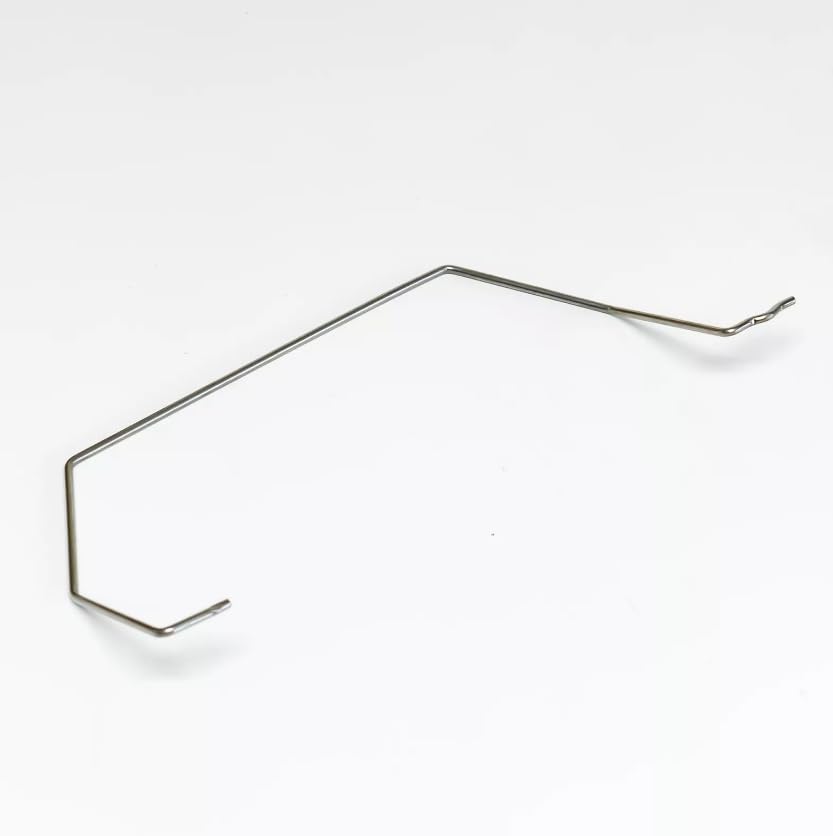
Image 1.2: Included bail arm, which acts as an ice level sensor.
2. Safety Information
WARNING: Before beginning any repair or installation, always disconnect power to the refrigerator to prevent electric shock or injury.
- Wear appropriate personal protective equipment, such as gloves, to protect hands from sharp edges or components.
- Ensure the work area is well-lit and clear of obstructions.
- If you are unsure about any step, consult a qualified appliance technician.
- Keep children and pets away from the work area during installation.
- Properly dispose of old parts according to local regulations.
3. Installation Instructions
3.1 Tools Required
- Phillips head screwdriver
- Flathead screwdriver (optional, for prying)
- Nut driver or socket set (if applicable for mounting bolts)
3.2 Preparation
- Unplug the refrigerator from the electrical outlet.
- Turn off the water supply to the refrigerator.
- Empty the freezer compartment, especially the ice bucket, to provide clear access to the ice maker.
3.3 Removal of Old Ice Maker
- Locate the existing ice maker in the freezer compartment. It is typically mounted on the left wall or ceiling.
- Disconnect the wiring harness. This usually involves pressing a tab and pulling the connector apart.
- Remove the mounting screws or bolts that secure the ice maker to the freezer wall. There are typically 2-3 screws.
- Carefully slide or pull the old ice maker assembly out of its mounting brackets.
- Inspect the water fill tube for any ice blockages or debris. Clear if necessary.
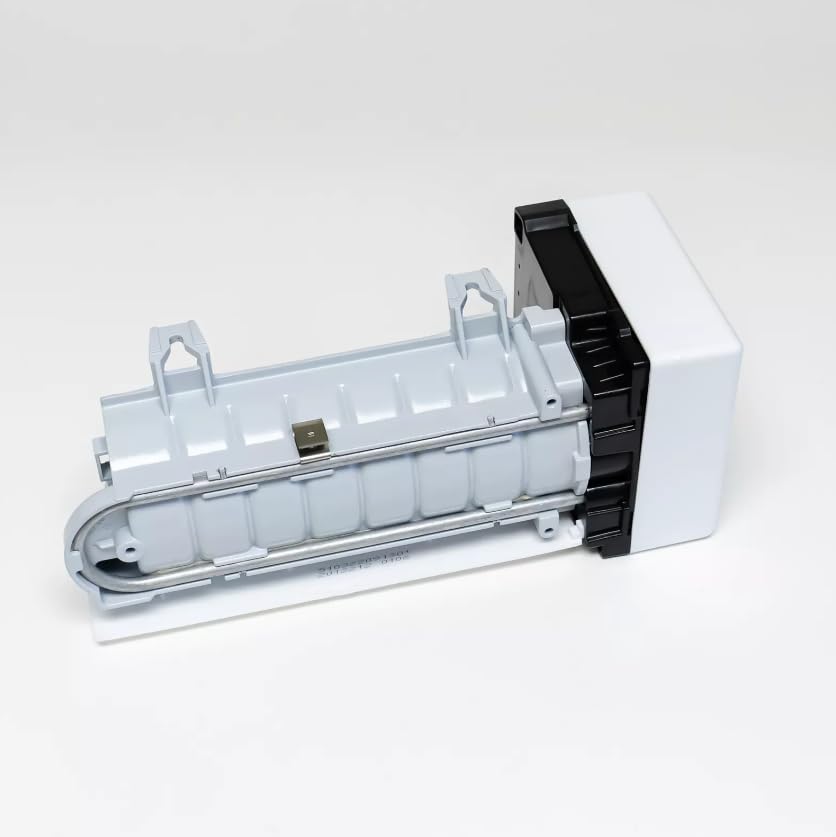
Image 3.1: Back view of the ice maker assembly, highlighting the electrical connection point.
3.4 Installation of New Ice Maker
- Align the new ice maker assembly with the mounting brackets in the freezer.
- Slide the ice maker into place, ensuring it is securely seated.
- Insert and tighten the mounting screws or bolts to secure the ice maker. Do not overtighten.
- Connect the new wiring harness to the refrigerator's electrical connector. Ensure it clicks into place.
- If your new ice maker came with a separate bail arm, install it into the designated slot. This arm controls ice production.
- Ensure the water fill tube is properly aligned with the ice maker's water inlet.
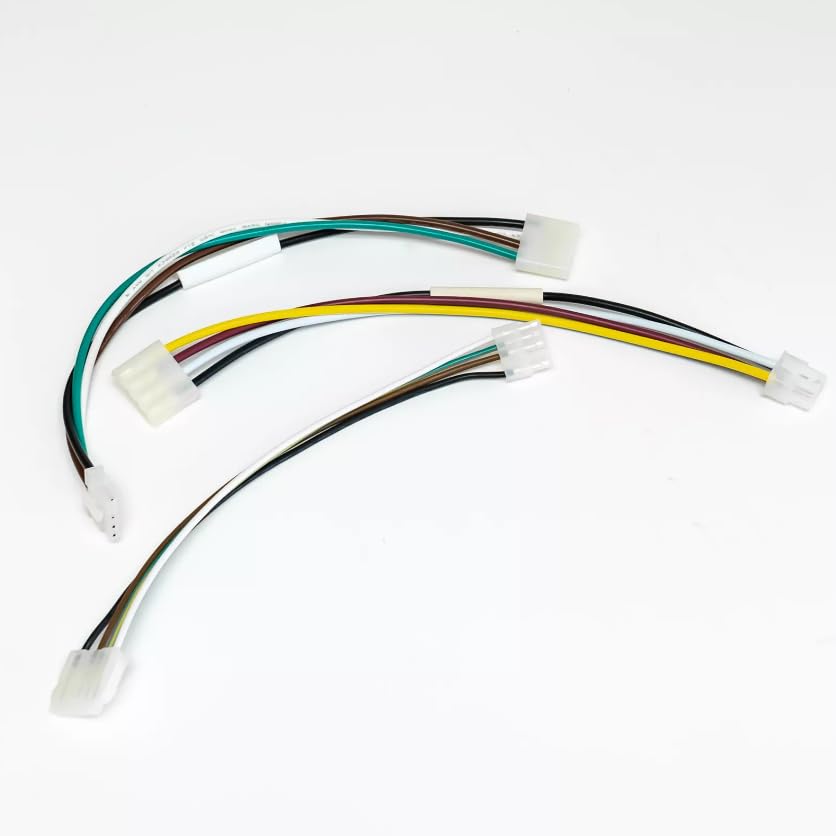
Image 3.2: Various wiring harnesses that may be included for compatibility.
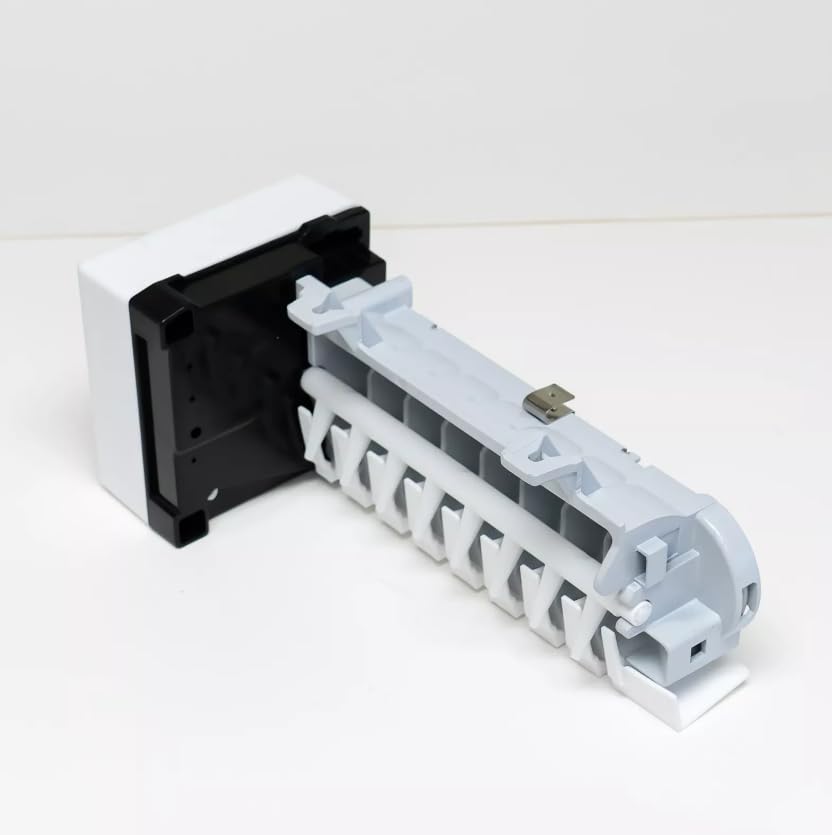
Image 3.3: Side view of the ice maker assembly, showing the ice ejector mechanism.
4. Operation
4.1 First Use
- Once the ice maker is installed, turn on the water supply to the refrigerator.
- Plug the refrigerator back into the electrical outlet.
- The ice maker will typically perform a self-test cycle. You may hear some sounds as it fills with water and begins the freezing process.
- Discard the first few batches of ice (approximately 24 hours of production) to flush out any air or impurities from the water line and new components.
4.2 Normal Operation
The ice maker will automatically produce ice as needed, sensing the ice level in the ice bucket via the bail arm. When the ice bucket is full, the bail arm will rise, signaling the ice maker to pause production. When ice is removed, the arm will lower, and production will resume.
- Ensure the bail arm is not obstructed by ice or other items in the freezer.
- Maintain a freezer temperature between 0°F and 5°F (-18°C and -15°C) for optimal ice production.
5. Maintenance
5.1 Cleaning
- Periodically clean the ice bucket with mild soap and warm water. Rinse thoroughly and dry completely before returning it to the freezer.
- If mineral deposits build up on the ice maker components, gently wipe them with a cloth dampened with a vinegar and water solution. Avoid harsh chemicals.
- Ensure the water filter (if your refrigerator has one) is replaced regularly according to the manufacturer's recommendations to maintain water quality and ice taste.
5.2 Regular Checks
- Check the water line connection for leaks periodically.
- Ensure the bail arm moves freely and is not frozen in place.
- Listen for unusual noises during operation, which could indicate a problem.
6. Troubleshooting
Refer to the table below for common issues and their potential solutions.
| Problem | Possible Cause | Solution |
|---|---|---|
| Ice maker not producing ice | Refrigerator not plugged in; water supply off; bail arm in 'off' position; clogged water filter; freezer temperature too high; faulty water inlet valve. | Check power and water supply. Lower bail arm. Replace water filter. Adjust freezer temperature. Inspect water inlet valve for issues. |
| Ice cubes are small or hollow | Low water pressure; clogged water filter; partially frozen water line. | Check water pressure. Replace water filter. Thaw water line if frozen. |
| Ice maker making unusual noises | Normal operation sounds; loose components; motor issue. | Some sounds are normal. Ensure all components are securely mounted. If persistent or loud, consult a technician. |
| Ice tastes bad or has odor | Old ice; uncleaned ice bucket; food odors in freezer; old water filter. | Discard old ice. Clean ice bucket. Store food in sealed containers. Replace water filter. |
7. Specifications
| Feature | Detail |
|---|---|
| Model Number | 10670187000 |
| Brand | Generic (Compatible with Kenmore/Whirlpool) |
| Type | Refrigerator Ice Maker Assembly |
| Manufacturer | generic |
| First Available | May 7, 2025 |
8. Warranty and Support
For warranty information and customer support, please refer to the documentation provided with your purchase or contact the seller directly. Specific warranty terms may vary depending on the retailer and date of purchase.