
1. Introduction
This instruction manual provides essential information for the safe and effective use of your Generic Pure Tin Metal Sheet. This high-purity tin foil is designed for various applications, including laboratory scientific research experiments, industrial production, and crafting projects. Please read this manual thoroughly before use and retain it for future reference.
2. Product Overview
The Pure Tin Metal Sheet is a high-quality material with a purity of Sn ≥ 99.99%. It is characterized by its silver-white metallic luster, softness, and good ductility at room temperature. Tin is a low melting point metal that resists oxidation, maintaining its shiny appearance over time.
- Material: Pure Tin (Sn)
- Purity: ≥ 99.99%
- Dimensions: Thickness 0.1mm, Width 100mm, Length 1000mm
- Properties: Low melting point, soft, good ductility, oxidation resistant.

Figure 2.1: A roll of pure tin metal sheet, demonstrating its form as a foil. The sheet is silver-white and flexible, ready for unrolling and use.
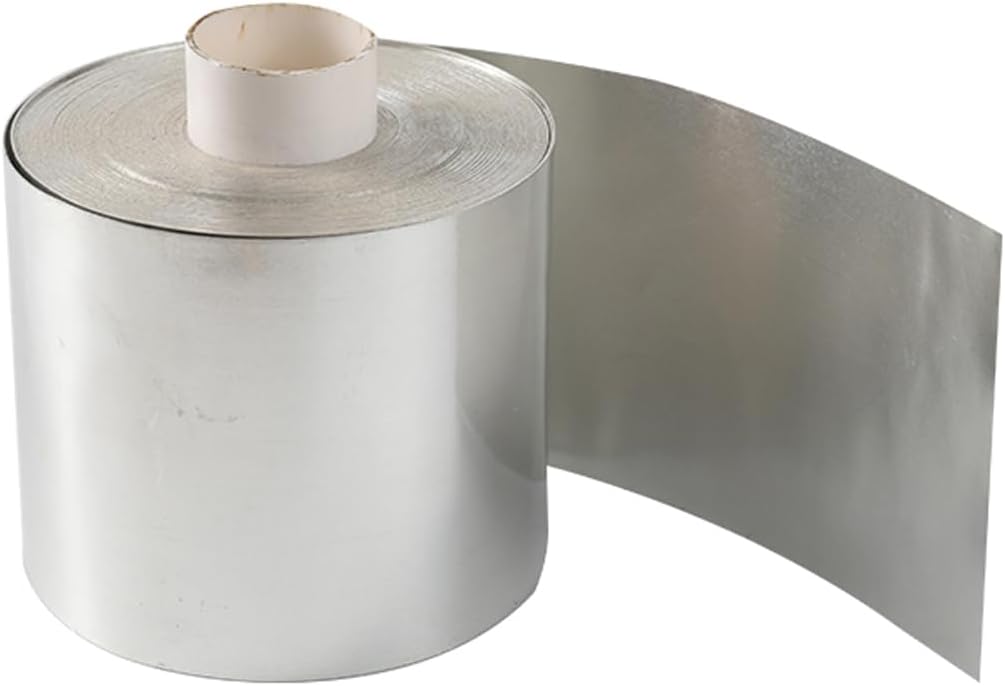
Figure 2.2: A handheld spectrometer displaying a reading of "Sn 99.99%", confirming the high purity of the tin material. This illustrates the quality control and material composition.
3. Setup
The tin metal sheet is provided in a rolled form. No complex setup is required. Simply unroll the desired length of tin foil from the roll. Ensure you are working on a clean, stable surface to prevent contamination or damage to the sheet.
- Unpacking: Carefully remove the tin sheet from its packaging.
- Surface Preparation: Place the roll on a clean, flat, and dry workbench or surface.
- Measuring and Cutting: Use appropriate tools (e.g., sharp scissors, utility knife, or metal shears) to measure and cut the required length or shape of the tin sheet. Always use a straight edge for precise cuts.
4. Operating Instructions
The pure tin metal sheet can be utilized in various applications due to its unique properties. Always handle with care to avoid creases or damage.
4.1. Laboratory Scientific Research Experiments
- Chemical Reactions: Use as a reactant or catalyst in specific chemical experiments where high-purity tin is required.
- Electrochemical Studies: Employ as an electrode material in electrochemical cells or for plating experiments.
- Material Science: Investigate its properties, such as melting point, ductility, and corrosion resistance, under controlled laboratory conditions.
- Shielding: Due to its density, it can be used for certain types of radiation shielding in experimental setups.
4.2. Crafting Projects
- Embossing and Repoussé: Its softness and ductility make it suitable for shaping and detailing in metal art.
- Jewelry Making: Can be cut, shaped, and soldered (with appropriate low-temperature solder) for unique jewelry designs.
- Model Making: Ideal for creating small components or decorative elements in models due to its ease of manipulation.
- Decorative Applications: Use for intricate cut-outs, overlays, or as a reflective surface in various craft projects.
4.3. Industrial Production
- Soldering: Can be used as a component in specialized low-temperature soldering applications.
- Protective Coatings: Applied as a thin layer for corrosion protection on other materials.
- Alloy Production: Used as a raw material for creating various tin-based alloys.
5. Maintenance
Proper storage and handling will ensure the longevity and purity of your tin metal sheet.
- Storage: Store the tin sheet in its original packaging or a sealed container to protect it from dust, moisture, and physical damage. Keep it in a cool, dry place.
- Cleaning: If necessary, gently wipe the surface with a soft, dry cloth. Avoid abrasive cleaners or materials that could scratch the surface or introduce contaminants.
- Handling: Always handle the sheet by its edges or wear clean gloves to prevent fingerprints and transfer of oils or contaminants, especially for high-purity applications.
6. Troubleshooting
Given the nature of this product as a raw material, troubleshooting is generally limited to handling and storage issues.
| Issue | Possible Cause | Solution |
|---|---|---|
| Sheet appears dull or discolored | Surface oxidation or contamination from improper handling/storage. | For minor discoloration, gently wipe with a soft, dry cloth. For significant oxidation, the affected layer may need to be carefully removed or the material may be unsuitable for high-purity applications. Ensure proper storage in a sealed, dry environment. |
| Sheet is creased or bent | Improper handling or storage, physical impact. | Tin is soft and ductile; minor bends can often be carefully flattened. For severe creases, the material in that area may be compromised and might need to be cut away for applications requiring pristine surfaces. Handle with care to prevent damage. |
7. Specifications
| Attribute | Value |
|---|---|
| Material | Pure Tin (Sn) |
| Purity | ≥ 99.99% |
| Thickness | 0.1 mm |
| Width | 100 mm (Approx. 3.93 inches) |
| Length | 1000 mm (Approx. 39.3 inches) |
| Color | Silver white |
| Manufacturer | ProMetals |
| Model Number | Tin Metal Sheet 0.1mm x 100mm x 1000mm |
8. Safety Information
While pure tin is generally considered safe, it is important to follow basic safety precautions when handling any metal material.
- Personal Protective Equipment (PPE): Wear gloves to prevent cuts from sharp edges and to avoid transferring oils or contaminants to the tin surface. Safety glasses are recommended, especially when cutting or shaping the metal.
- Ventilation: If heating or melting the tin, ensure adequate ventilation to avoid inhaling fumes.
- Disposal: Dispose of any scrap tin in accordance with local regulations for metal waste.
- Children and Pets: Keep the tin sheet out of reach of children and pets to prevent accidental ingestion or injury.
9. Warranty and Support
For any questions regarding the product, its properties, or specific applications, please contact the manufacturer, ProMetals, or your supplier. Information regarding specific warranty terms may be available from your point of purchase.