
1. Introduction
This manual provides essential information for the safe and efficient operation, setup, and maintenance of your Westinghouse WGen9500TFc EFI Tri-Fuel Portable Generator. Please read this manual thoroughly before operating the generator and keep it for future reference.
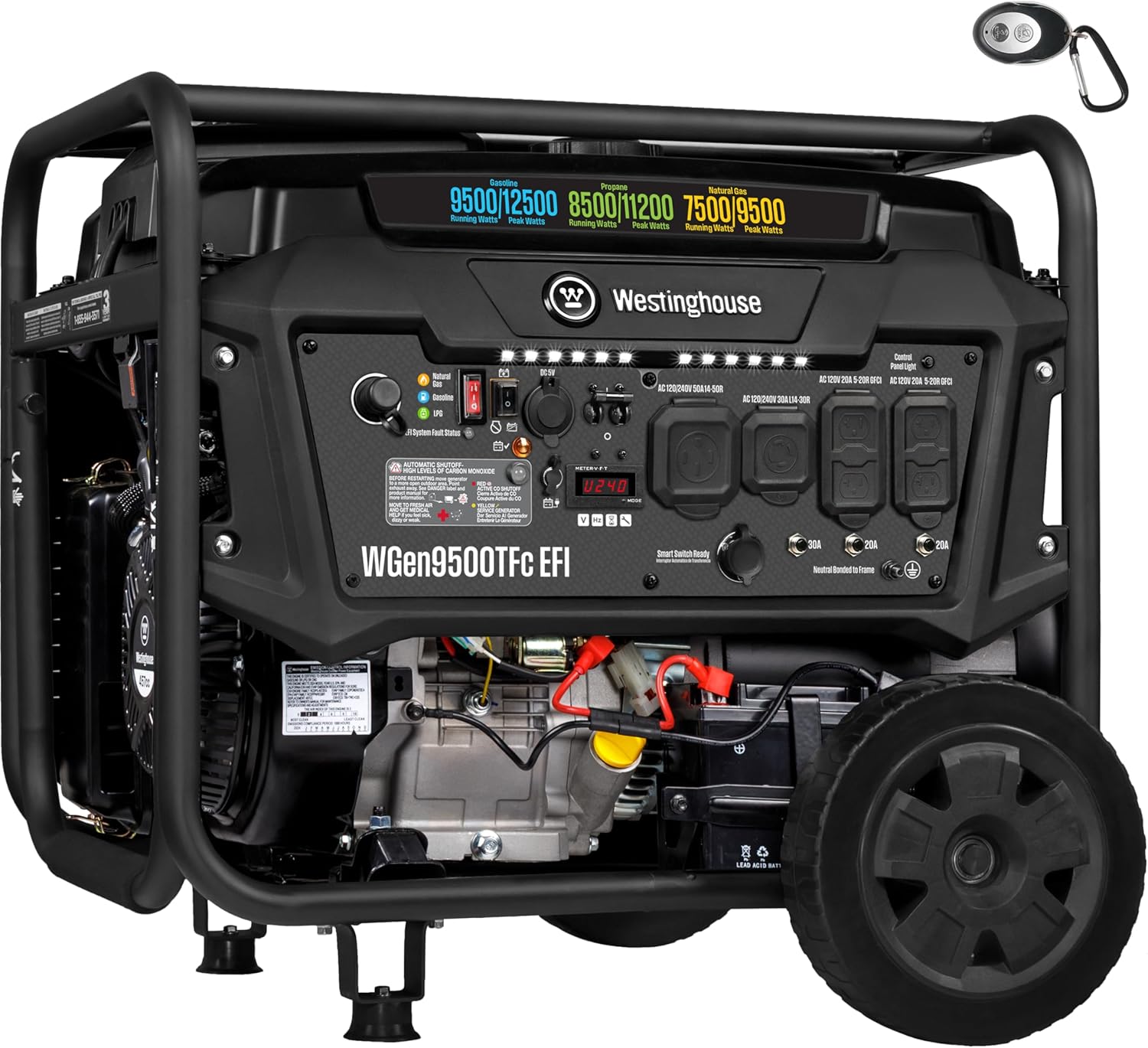
Figure 1: Westinghouse WGen9500TFc EFI Tri-Fuel Portable Generator
2. Safety Information
Operating a generator can be hazardous if proper safety precautions are not followed. Always operate the generator outdoors in a well-ventilated area, far from windows, doors, and vents to prevent carbon monoxide (CO) poisoning. Your generator is equipped with a CO sensor for added safety, which will automatically shut down the unit if high levels of carbon monoxide are detected.
Ensure all electrical connections are secure and appropriate for the load. Never operate the generator in wet conditions without adequate protection. Always turn off the generator and allow it to cool before refueling.

Figure 2: Carbon Monoxide (CO) Sensor for enhanced safety.
3. Product Overview & What's Included
The Westinghouse WGen9500TFc EFI is a powerful tri-fuel portable generator designed for home backup, RV use, and job sites. It features Electronic Fuel Injection (EFI) for easier starts and improved fuel efficiency.
3.1. Key Features:
- Tri-Fuel Capability: Operates on Gasoline, Propane (LPG), or Natural Gas.
- High Power Output: Up to 12,500 Peak Watts and 9,500 Running Watts (Gasoline).
- EFI Engine: 457cc 4-stroke OHV Westinghouse EFI Engine for reliable starts and efficiency.
- Multiple Starting Options: Remote Electric Start, Push-Button Electric Start, and Recoil Start.
- Versatile Outlets: Includes 120/240V 50A (14-50R), 120/240V 30A (L14-30R), and 120V 20A GFCI (5-20R) outlets.
- Safety Features: Automatic Low Oil Shutdown, CO Sensor, Overload Protection.
- Portability: Heavy-duty never-flat wheels and a foldable handle.
- Digital Display: VFT Data Center displays Volt output, Frequency, and Lifetime Hours.
3.2. Included Components:

Figure 3: All components included with your generator.
- Owner's Manual & Quick-Start Guide
- Assembly Wrench
- Spark Plug Wrench
- Wheel Kit Assembly Wrench
- Remote Start Key Fob
- Battery Charger
- Engine Oil & Funnel
- LPG Hose & Regulator (6 ft)
- Natural Gas Hose (25 ft)
- Wheel Kit (wheels and foot pegs)
4. Setup
Follow these steps for initial setup before first use:
- Unboxing and Assembly: Carefully remove the generator and all components from the packaging. Attach the wheels and foot pegs using the provided wrenches.
- Add Engine Oil: Locate the oil fill cap. Using the provided funnel, add the entire bottle of engine oil (SAE 10W-30) to the engine. Do not overfill.
- Connect Battery: Connect the battery terminals. Ensure the connections are secure. The battery may require charging before the first electric start. Use the included battery charger if needed.
- Positioning: Place the generator on a flat, level surface outdoors, away from any structures, windows, or vents. Ensure adequate clearance for ventilation.

Figure 4: The generator features heavy-duty wheels and a foldable handle for easy movement.
5. Operating Instructions
5.1. Fuel Selection
Your WGen9500TFc is a tri-fuel generator, capable of running on gasoline, propane, or natural gas. Select your desired fuel source using the fuel selector switch on the control panel.
- Gasoline: Fill the 6.6-gallon fuel tank with unleaded gasoline.
- Propane (LPG): Connect the provided LPG hose and regulator to a propane tank and the generator's propane inlet.
- Natural Gas: Connect the provided 25 ft natural gas hose to a natural gas supply line (installation by a licensed plumber is recommended) and the generator's natural gas inlet.
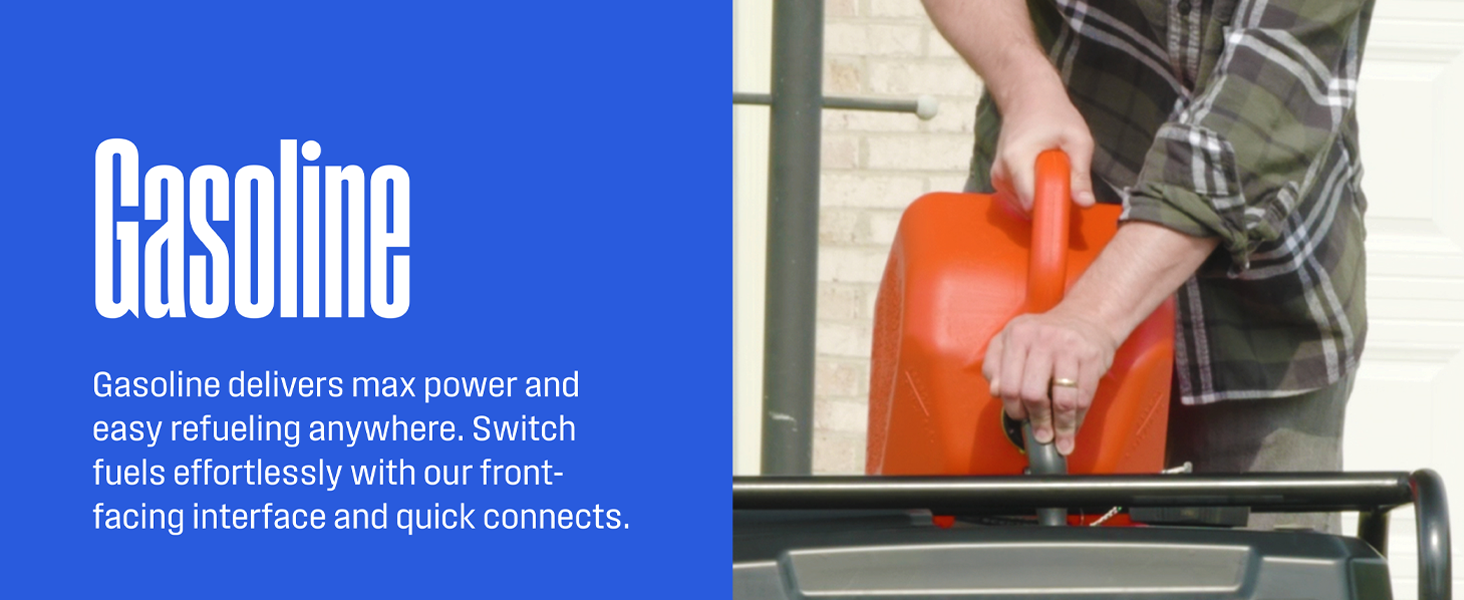
Figure 5: Connecting to a Natural Gas supply line.

Figure 6: Connecting to a Propane tank.

Figure 7: Refueling with Gasoline.
5.2. Starting the Generator
The WGen9500TFc offers multiple starting methods:
- Remote Electric Start: Use the included key fob to start or stop the generator from a distance.
- Push-Button Electric Start: Press the 'Engine Start/Stop' button on the control panel.
- Recoil Start: If the battery is low or dead, use the recoil pull cord.
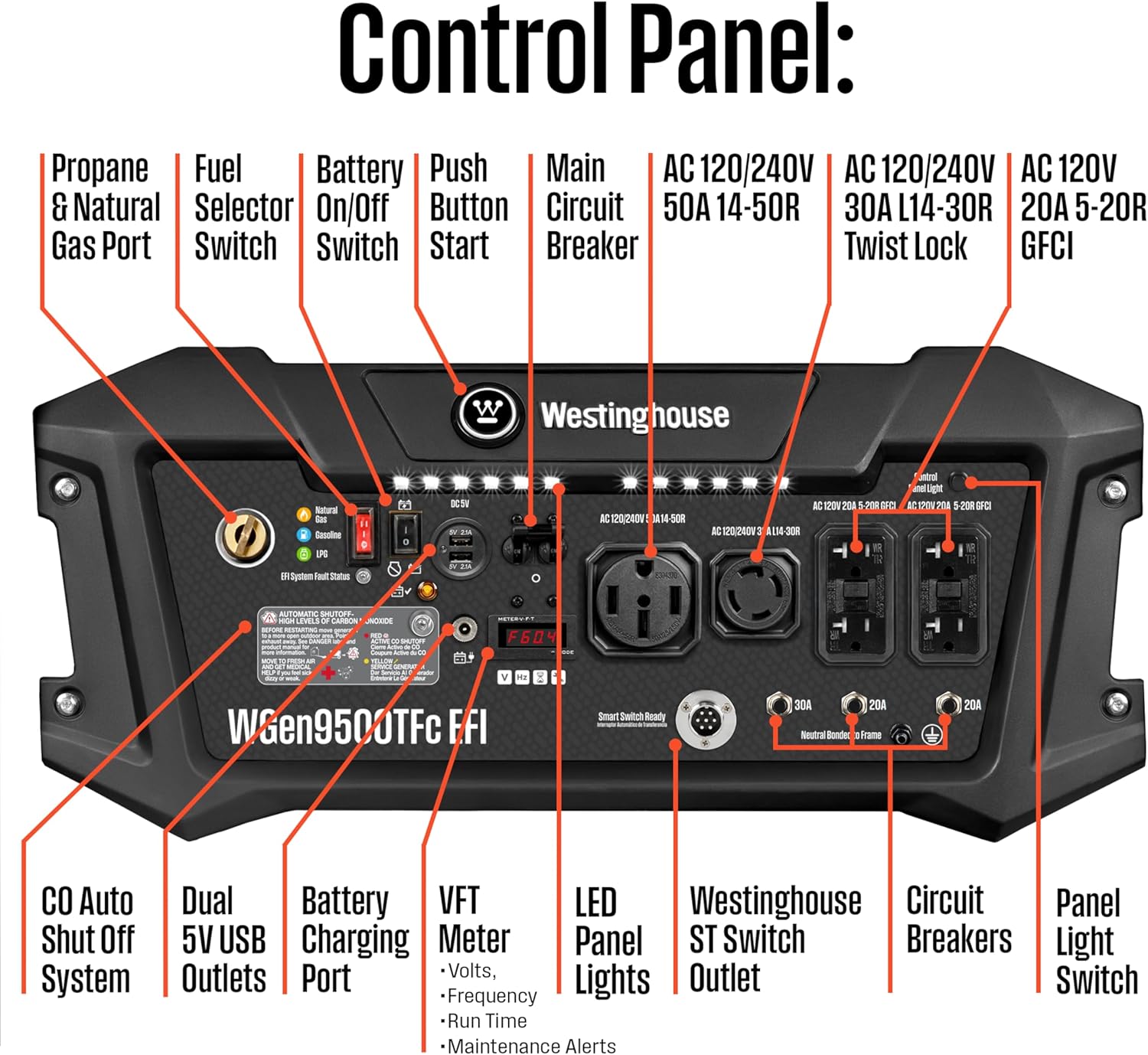
Figure 8: Detailed view of the generator's control panel.
5.3. Connecting Loads
Once the generator is running, you can connect your electrical devices. The generator is equipped with various outlets:
- One 120/240V 50A (14-50R) outlet, transfer switch ready for home or RV backup.
- One 120/240V 30A (L14-30R) twist lock outlet, also transfer switch ready.
- Two GFCI 120V 20A (5-20R) duplex household outlets with rubber covers for protection.
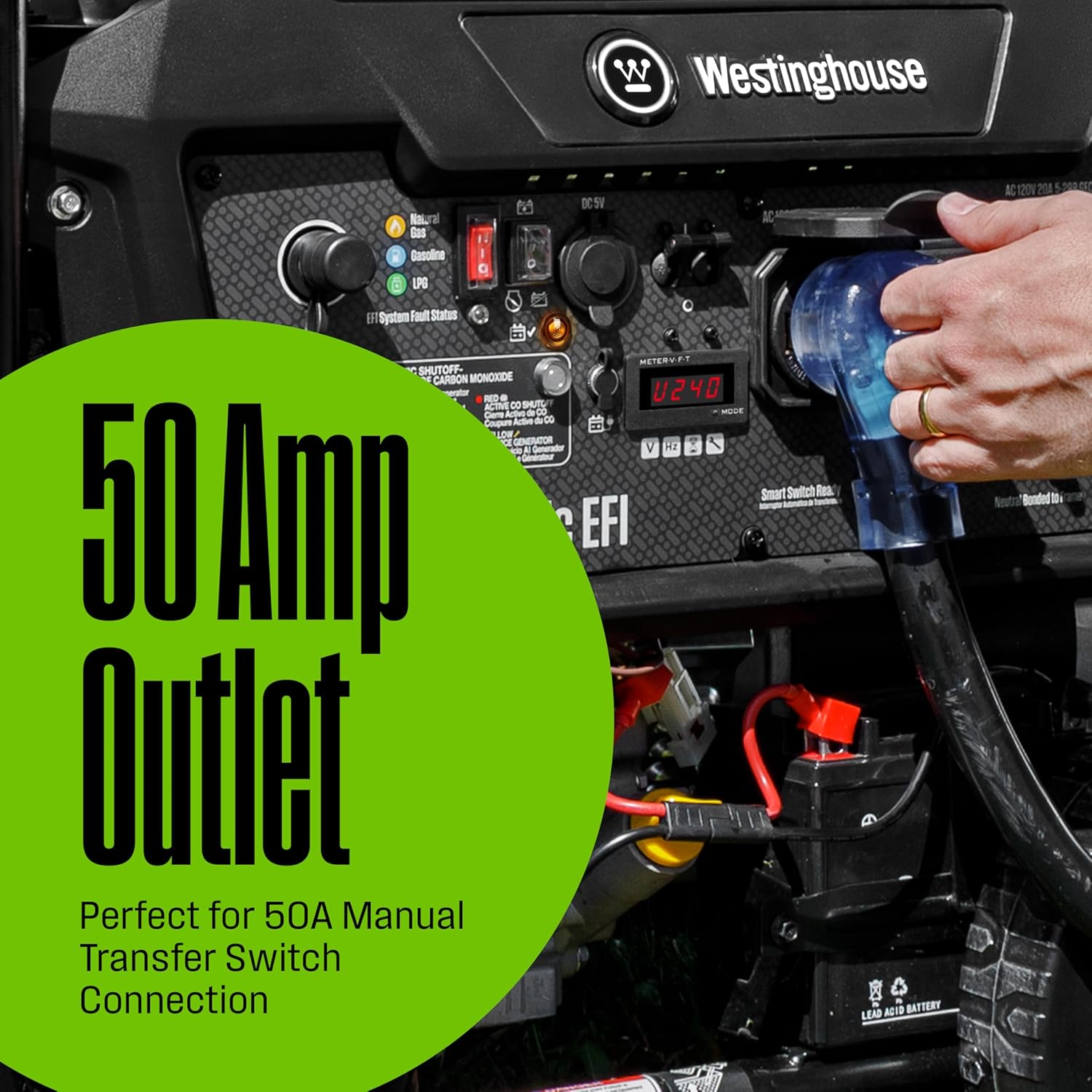
Figure 9: Connecting a 50 Amp plug for high-power applications.
Important: Do not overload the generator. Refer to the specifications section for maximum wattage per outlet. Always ensure appliances are turned off before plugging them into the generator.
Video 1: An overview of Westinghouse Open Frame Generators, highlighting their versatility for various power needs from job sites to home backup.
Video 2: A detailed look at the Westinghouse 12500W Tri-Fuel Portable Home Generator, demonstrating its features and ease of use for home power solutions.
Video 3: A quick overview of the Westinghouse 12500 Watts Generator, showcasing its robust design and various power outlets for diverse applications.
6. Maintenance
Regular maintenance ensures the longevity and optimal performance of your generator. The digital hour meter on the control panel helps track usage for scheduled maintenance.
- Oil Changes: Check engine oil level before each use. Change oil after the first 20 hours of operation, then every 100 hours or annually.
- Air Filter: Inspect and clean the air filter every 50 hours or more frequently in dusty conditions. Replace if damaged.
- Spark Plug: Inspect the spark plug every 100 hours. Clean or replace as needed using the provided spark plug wrench.
- Fuel Filter: Inspect the fuel filter periodically and replace if clogged or damaged.
- Battery Maintenance: Keep the starting battery charged using the included battery charger, especially during periods of non-use.
7. Troubleshooting
If your generator encounters issues, refer to the following common problems and solutions:
- Generator Fails to Start:
- Check fuel level and ensure the correct fuel type is selected.
- Verify the engine oil level. The automatic low oil shutdown will prevent starting if oil is too low.
- Ensure the battery is charged for electric start.
- Check the spark plug for fouling or damage.
- No Power Output:
- Check all circuit breakers on the control panel. Reset if tripped.
- Ensure the generator is not overloaded. Reduce the load if necessary.
- CO Sensor Shutdown: If the generator shuts down due to the CO sensor, move the unit to a more open outdoor area with fresh air. Do not restart until the area is clear.
- VFT Display Alerts: The VFT meter provides real-time information. If a wrench icon or other alert appears, consult the owner's manual for specific diagnostic steps.
8. Specifications
| Feature | Specification |
|---|---|
| Brand | Westinghouse |
| Model Name | WGen9500TFc EFI |
| Peak Wattage (Gasoline) | 12500 Watts |
| Running Wattage (Gasoline) | 9500 Watts |
| Peak Wattage (Propane) | 11200 Watts |
| Running Wattage (Propane) | 8500 Watts |
| Peak Wattage (Natural Gas) | 9500 Watts |
| Running Wattage (Natural Gas) | 7500 Watts |
| Fuel Type | Gasoline, Propane, Natural Gas |
| Engine Type | 457cc 4-Stroke OHV EFI |
| Tank Volume | 6.6 Gallons |
| Run Time (Gasoline, 25% Load) | Up to 15 hours |
| Starting System | Remote Electric Start, Push-Button Electric Start, Recoil Start |
| Outlets | 1x 120/240V 50A (14-50R), 1x 120/240V 30A (L14-30R), 2x 120V 20A GFCI (5-20R), USB Ports |
| Item Weight | 222 Pounds |
| Product Dimensions | 27.3"L x 20.6"W x 22.6"H |
9. Warranty & Support
Your Westinghouse WGen9500TFc EFI Portable Generator is backed by a 3-Year Limited Warranty. Westinghouse also provides lifetime technical support through its nationwide Customer Service and Support Network.
For technical assistance, warranty claims, or to locate a service center, please contact Westinghouse Customer Service at 1-855-944-3571.


