
HRVEOCEI Electric Pressure Washer
HRVEOCEI Electric Pressure Washer User Manual
Model: Electric Pressure Washer
Product Overview
This manual provides essential information for the safe and efficient operation, maintenance, and troubleshooting of your HRVEOCEI Electric Pressure Washer. Please read this manual thoroughly before operating the unit.
The HRVEOCEI Electric Pressure Washer is designed for various cleaning tasks, offering a powerful 2000 PSI maximum pressure and a flow rate of up to 1.76 GPM. It features a 1500W motor, a 30 ft hose, and multiple quick-connect nozzles for versatile cleaning applications.

Figure 1: HRVEOCEI Electric Pressure Washer and included accessories, including the main unit, spray gun, hose, power cord, foam cannon, and various nozzles.
Safety Information
Always follow basic safety precautions when using this product to reduce the risk of injury or damage. This pressure washer is equipped with a Total Stop System (TSS) which automatically shuts off the pump when the trigger is not engaged, saving energy and prolonging the unit's life. A press-type security lock on the spray gun prevents accidental engagement.
- Always wear appropriate personal protective equipment, including eye protection, when operating the pressure washer.
- Ensure all connections are secure before starting the unit to prevent leaks.
- Do not direct the spray at people, pets, or electrical devices.
- Keep the operating area clear of obstructions and ensure good footing.
- Do not operate the unit for more than 3 hours continuously to maintain optimal performance and prevent overheating. The unit automatically stops if temperatures exceed 105°C.
- Disconnect the power supply before performing any maintenance or cleaning.
Setup and Assembly
The HRVEOCEI Electric Pressure Washer is designed for easy assembly, typically requiring only one person and a few minutes to set up.
Components Identification

Figure 2: Key components of the pressure washer, including the ergonomic handle, high-pressure hose with reel, ON/OFF switch, gun holder, and flexible wheels.
Assembly Steps
- Attach the Handle: Secure the ergonomic handle to the main unit.
- Connect the High-Pressure Hose: Connect one end of the 30 ft high-pressure hose to the pressure washer's outlet and the other end to the spray gun. Ensure connections are tight to prevent leaks. The unit features sturdy metal water inlet and outlet for enhanced durability.
- Connect Water Supply: Attach a garden hose (not included) to the water inlet of the pressure washer. Ensure the water supply is clean and free of debris.
- Connect Power: Plug the power cord into a grounded electrical outlet.
- Select Nozzle: Choose the appropriate quick-connect nozzle for your cleaning task and attach it to the spray gun.
Operating Instructions
Starting the Unit
- Ensure all connections (water, hose, power) are secure.
- Turn on the water supply completely.
- Squeeze the trigger on the spray gun to purge air from the system until a steady stream of water emerges.
- Turn the ON/OFF switch on the pressure washer to the "ON" position.
- The motor will start when the trigger is squeezed and stop when released (TSS function).
Nozzle Selection and Usage
The pressure washer comes with 5 quick-connect nozzles, each designed for specific cleaning applications:
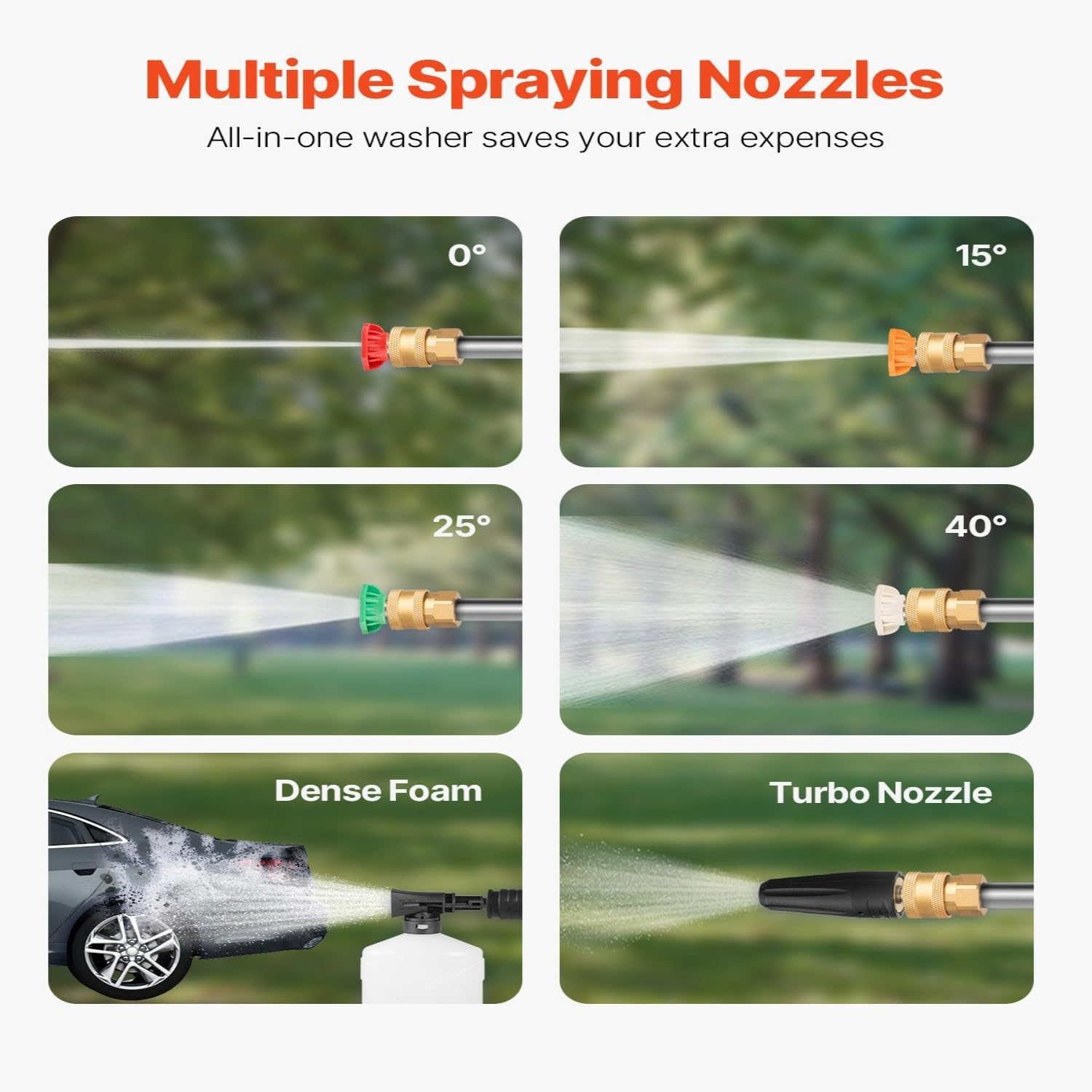
Figure 3: Different spray patterns from the quick-connect nozzles, including 0°, 15°, 25°, 40°, Dense Foam, and Turbo Nozzle.
- 0° (Red): Pin-point jet for extremely stubborn stains and hard-to-reach areas. Use with extreme caution as it can damage surfaces.
- 15° (Yellow): Narrow, high-pressure spray for intensive cleaning of small areas, such as removing paint or rust.
- 25° (Green): Medium-angle spray for general cleaning of dirt and grime on various surfaces.
- 40° (White): Wide-angle spray for gentle cleaning of large areas, such as vehicles or delicate surfaces.
- Black (Soap/Foam Cannon): Low-pressure spray for applying detergents or foam. Use with the included foam cannon for car washing or other applications requiring soap.
General Operation Tips
- Always test the spray on an inconspicuous area first to avoid damaging the surface.
- Maintain a safe distance from the surface being cleaned.
- Move the spray gun in a sweeping motion to ensure even cleaning.
- For car washing, patios, fences, decks, and driveways, select the appropriate nozzle and maintain a suitable distance.

Figure 4: The pressure washer effectively removing stubborn stains from outdoor stairs, demonstrating its high-pressure cleaning capability.
Maintenance
Regular maintenance ensures the longevity and optimal performance of your pressure washer.
- Hose Storage: After each use, wind the 30 ft high-pressure hose onto the built-in reel. This protects the hose from kinks or snags and simplifies storage.
- Nozzle Cleaning: Periodically clean the nozzles to prevent blockages. Use the included nozzle cleaning tool if necessary.
- Water Inlet Filter: Check and clean the water inlet filter regularly to prevent debris from entering the pump.
- Winterization (for cold climates): If storing the unit in an area where temperatures may drop below freezing, drain all water from the pump and hoses to prevent damage. Run a non-toxic antifreeze solution through the pump if recommended by the manufacturer (not explicitly stated for this model, but good general advice).
- General Cleaning: Wipe down the exterior of the unit with a damp cloth. Do not use harsh chemicals.

Figure 5: The integrated hose reel on the pressure washer, designed for easy and protective storage of the high-pressure hose.
Troubleshooting
This section addresses common issues you might encounter with your pressure washer. For problems not listed here, please contact customer support.
| Problem | Possible Cause | Solution |
|---|---|---|
| Unit does not start | No power supply; ON/OFF switch is off; Thermal overload activated. | Check power connection and outlet; Turn ON/OFF switch to "ON"; Allow unit to cool down if it has been running for an extended period or if ambient temperature is high. |
| Low or no pressure | Insufficient water supply; Air in the pump; Clogged nozzle; Kinked hose. | Ensure water supply is fully open; Purge air from the system by squeezing trigger without power; Clean or replace nozzle; Straighten hose. |
| Motor runs continuously when trigger is released | TSS (Total Stop System) malfunction; Leak in the system. | Check all connections for leaks; Contact customer support if issue persists. |
| Water leaks from connections | Loose connections; Damaged O-rings. | Tighten all connections; Inspect and replace O-rings if damaged. |
Specifications
Detailed technical specifications for the HRVEOCEI Electric Pressure Washer.
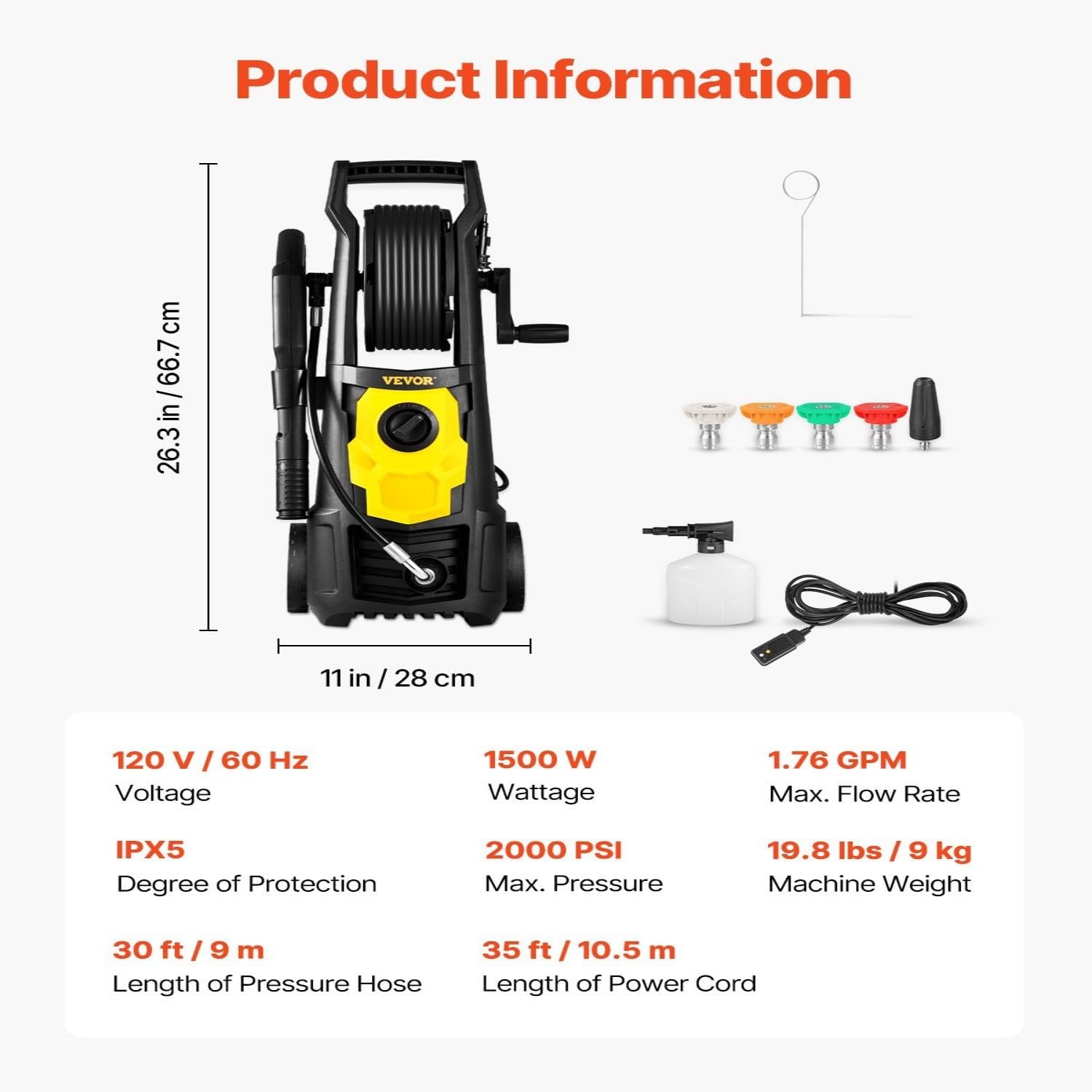
Figure 6: Visual representation of key product specifications and dimensions.
| Specification | Value |
|---|---|
| Brand | HRVEOCEI |
| Model Number | Electric Pressure Washer |
| Maximum Pressure | 2000 PSI |
| Maximum Flow Rate | 1.76 GPM |
| Motor Power | 1500 W |
| Power Source | Electric |
| Hose Length | 30 ft |
| Product Dimensions (L x W x H) | 11 x 11 x 26.3 inches |
| Color | Black |
| UPC | 762821992055 |
Warranty and Support
For warranty information, product support, or to purchase replacement parts, please contact HRVEOCEI customer service. Keep your purchase receipt as proof of purchase for any warranty claims.
You can typically find contact information on the product packaging, the manufacturer's official website, or through your point of purchase.
Ask a question about this manual
Ask about setup, troubleshooting, compatibility, parts, safety, or missing instructions. Manuals+ will review the question and use this page’s manual context to help answer it.