
DHS/DH14
Hydraulic Oil Cylinder Dust Seal Instruction Manual
Model: DHS/DH14
Introduction
This manual provides essential information for the proper use, installation, and maintenance of the Generic 10 Piece Hydraulic Oil Cylinder Dust Seals, model DHS/DH14. These seals are designed to prevent dust, dirt, and other contaminants from entering hydraulic cylinders, thereby extending the lifespan and ensuring the efficient operation of industrial, automotive, and engineering machinery.
Our oil seals are manufactured with high-quality polyurethane material and advanced production processes, ensuring durability and reliability. They are engineered to maintain stable performance in various harsh working environments, effectively preventing oil leakage and protecting equipment.
Product Overview and Features
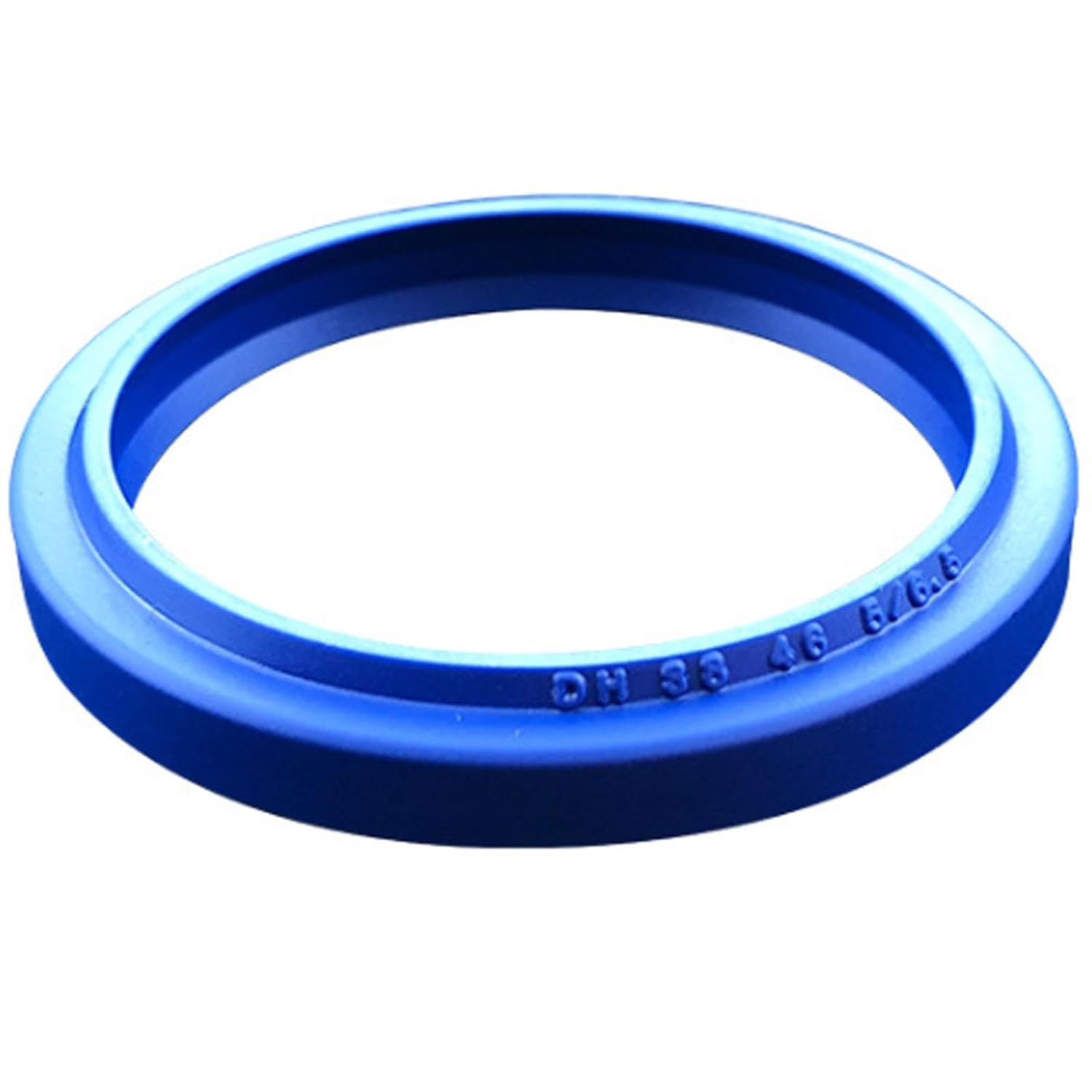
This image displays a single blue polyurethane dust seal, designed to prevent contaminants from entering hydraulic cylinders.
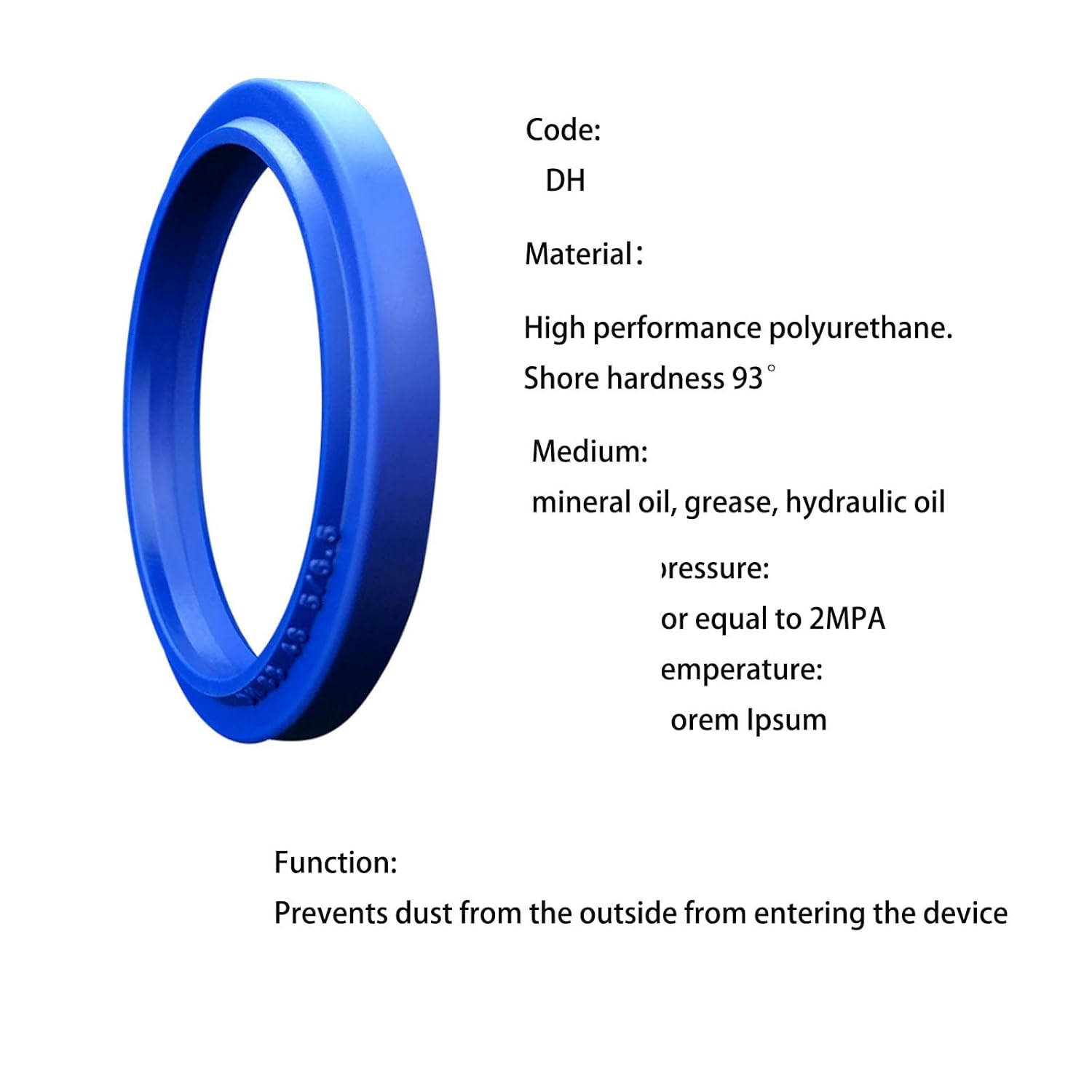
A blue dust seal is shown alongside its key technical specifications, including material (high performance polyurethane), Shore hardness (93°), suitable media (mineral oil, grease, hydraulic oil), and primary function (prevents dust ingress).
- Code: DH
- Material: High-quality Polyurethane material, ensuring durability and flexibility.
- Temperature Range: Operates effectively from -20°C to +100°C.
- Medium Compatibility: Suitable for use with hydraulic oil and petroleum-based fluids.
- Performance: Features excellent wear resistance, superior sealing capabilities, and high pressure resistance. Designed to resist aging and deformation.
- Construction: Carefully selected polyurethane raw materials result in a smooth surface free of burrs, providing a full and elastic seal.
- Application: Ideal for industrial engineering machinery and automotive hydraulic cylinder systems.
Specifications
| Specification | Detail |
|---|---|
| Product Code | DHS/DH14 |
| Material | Polyurethane |
| Color | Blue |
| Nominal Inside Diameter | 14 Millimeters (0.551 inches) |
| Nominal Outside Diameter | 22 Millimeters (0.866 inches) |
| Thickness (approx.) | 4.5 mm (0.177 inches) / 6 mm (0.236 inches) - Note: Dimensions from product title, may vary slightly based on specific design. |
| Temperature Range | -20°C to +100°C |
| Medium | Hydraulic oil, Petroleum |
| Manufacturer | NOKENFU |
| Package Dimensions | 8.66 x 7.09 x 0.59 inches |
| Item Weight | 1.06 ounces (for 10 pieces) |
Installation and Setup
Proper installation of dust seals is crucial for preventing contamination and ensuring the longevity of hydraulic systems. Follow these general guidelines:

This diagram illustrates the cross-section of a hydraulic cylinder rod with the dust seal installed, showing critical dimensions and clearances for proper fit and function.
- Preparation: Ensure the cylinder rod and seal housing are thoroughly cleaned and free of any debris, burrs, or sharp edges that could damage the seal.
- Lubrication: Lightly lubricate the dust seal with the system's hydraulic fluid or a compatible lubricant before installation. This aids in smooth insertion and prevents initial wear.
- Orientation: Observe the seal's profile. Dust seals typically have a specific orientation to effectively scrape contaminants away from the cylinder rod. Install with the scraping lip facing outwards, towards the environment. Refer to technical diagrams (like the one above) for correct orientation.
- Insertion: Carefully insert the seal into its groove. Avoid using sharp tools that could nick or cut the seal. Gentle, even pressure should be applied. For larger seals, specialized installation tools may be beneficial.
- Inspection: After installation, visually inspect the seal to ensure it is seated correctly in its groove and is not twisted or damaged.
- System Check: Before full operation, perform a low-pressure test of the hydraulic system to confirm proper sealing and absence of leaks.
Operation
The DHS/DH14 dust seals operate passively within the hydraulic system. Their primary function is to prevent external contaminants such as dust, dirt, moisture, and other abrasive particles from entering the hydraulic cylinder as the rod extends and retracts. By maintaining a clean internal environment, these seals protect the main rod seals and other internal components from premature wear and damage, thereby ensuring the hydraulic system's efficiency and longevity.
No direct user operation is required for the dust seals themselves; their performance is integral to the overall hydraulic system's function.
Maintenance
Regular maintenance helps ensure the continued effectiveness of your dust seals and the overall health of your hydraulic system.
- Visual Inspection: Periodically inspect the visible portion of the dust seal for signs of wear, cracking, hardening, or damage. Look for any accumulation of dirt or debris around the seal.
- Cleanliness: Keep the area around the cylinder rod and dust seal as clean as possible to minimize the ingress of contaminants.
- Fluid Compatibility: Ensure that the hydraulic fluid used in the system is compatible with polyurethane materials to prevent degradation of the seal.
- Replacement: Replace dust seals at the first sign of wear or damage, or as part of a scheduled preventative maintenance program for your hydraulic equipment. Worn dust seals can lead to internal contamination and damage to more critical internal seals.
- Storage: Store spare seals in a cool, dry place away from direct sunlight, ozone, and extreme temperatures to preserve their material integrity.
Troubleshooting
While dust seals are relatively simple components, issues can arise if they are damaged or improperly installed. Here are some common problems and their potential solutions:
| Problem | Possible Cause | Solution |
|---|---|---|
| Visible Dirt/Debris on Rod | Worn or damaged dust seal; excessive environmental contamination. | Inspect and replace the dust seal if damaged. Improve environmental cleanliness around the cylinder. |
| Premature Wear of Main Rod Seal | Dust seal failing to prevent ingress of abrasive particles. | Replace the dust seal immediately. Consider upgrading to a more robust dust seal if environmental conditions are severe. |
| Seal Appears Twisted/Deformed | Improper installation; incorrect seal size for groove. | Remove and re-install the seal carefully, ensuring correct orientation and seating. Verify seal dimensions match groove specifications. Replace if permanently deformed. |
| Minor Fluid Leakage Past Dust Seal | While dust seals are not primary pressure seals, excessive leakage indicates a problem with the main rod seal or internal pressure. | This is usually a symptom of a failing main rod seal. Inspect and replace the main rod seal. The dust seal may also need replacement if it has been exposed to excessive fluid. |
Warranty and Support
As a generic product, specific warranty information may vary depending on the retailer or distributor from whom the product was purchased. Please refer to your purchase documentation or contact your point of sale for details regarding warranty coverage.
For technical support or further inquiries regarding the DHS/DH14 dust seals, please contact the manufacturer, NOKENFU, or the seller directly. Contact information can typically be found on the product packaging or your order details.
Related Documents - DHS/DH14
 |
WINNERCOM NX4 PE NFC Touch Door Handle User Manual V1.0 Comprehensive user manual for the WINNERCOM NX4 PE NFC Touch Door Handle, covering its introduction, design specifications, BOM, safety precautions, technical details, and compliance information. Includes details on NFC and capacitive touch functionality for automotive applications. |
 |
Mazda Diagnostic Function List - iCarsoft CR Genius Comprehensive diagnostic function list for various Mazda models compatible with the iCarsoft CR Genius diagnostic tool. Includes support status for different vehicle modules and functions. |
 |
Goodman & Amana Gas Furnace Service Instructions Comprehensive service instructions for Goodman and Amana 80%, 90%, and 95% gas furnaces and accessories. Includes product identification, operating instructions, maintenance, and troubleshooting. |
 |
Scania Vehicle Diagnostic Capabilities Overview Explore the comprehensive diagnostic functions available for various Scania vehicle models and systems, including engine management, brake systems, climate control, and more. This document details system compatibility and features. |
 |
XDrum DD 520 Digital Drum User Manual | Comprehensive Guide Detailed user manual for the XDrum DD 520 Digital Drum Set, covering assembly, operation, features, settings, and troubleshooting. Includes information on drum kits, voices, MIDI, and more. |
 |
Classic Cantabile AP-30 Active Monitor Operating Instructions Comprehensive operating instructions for the Classic Cantabile AP-30 Active Monitor, covering safety, usage, controls, connections, and specifications. Includes WEEE declaration and links to assembly guides for related XDrum products. |
Ask a question about this manual
Ask about setup, troubleshooting, compatibility, parts, safety, or missing instructions. Manuals+ will review the question and use this page’s manual context to help answer it.