
YOWSOM YXSM789
YOWSOM VOGE CU-250 Motorcycle Clutch Cable Instruction Manual
Model: YXSM789
1. Product Overview
The YOWSOM VOGE CU-250 Motorcycle Clutch Cable is designed as a direct replacement for the original clutch cable on VOGE CU-250 motorcycles. It is constructed from durable PVC and stainless steel materials, ensuring reliability and flexibility for consistent performance.
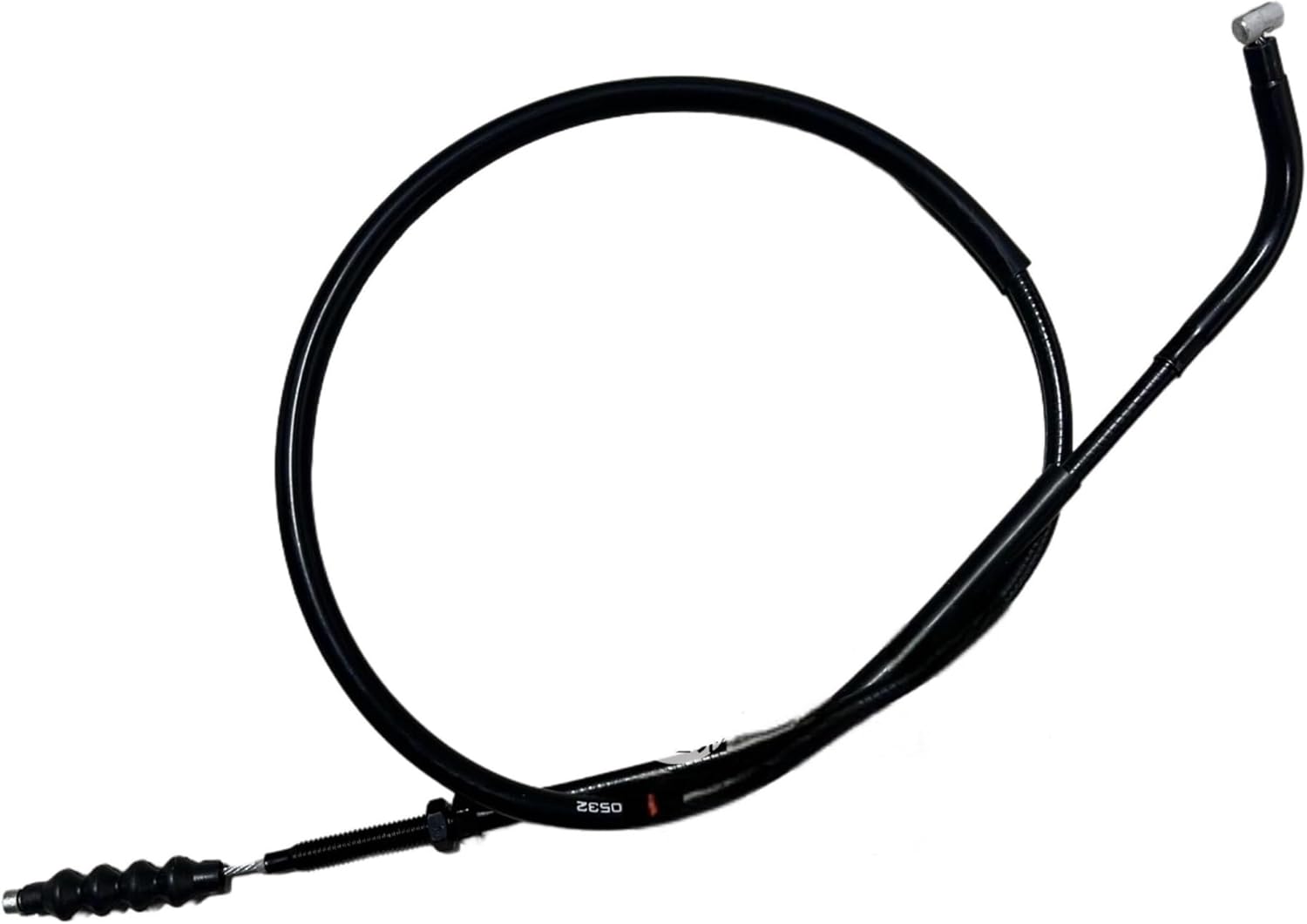
This image displays the complete YOWSOM VOGE CU-250 Motorcycle Clutch Cable, showing its black PVC outer sheathing, the coiled spring near one end, and the metal terminal at the other end. The cable is coiled into a loop for display.
Key Features:
- Direct replacement for VOGE CU-250 motorcycles.
- Constructed from high-quality PVC and stainless steel for durability.
- PVC outer sheathing provides maximum flexibility and protection.
- Pre-stretched inner wire for pull-out resistance and protection against water and dirt.
- Designed for easy installation.
2. Setup and Installation
This clutch cable is designed as a direct replacement. While specific installation instructions are not included, the process generally involves removing the old cable and installing the new one in its place. It is recommended to consult your motorcycle's service manual or a qualified mechanic for detailed installation procedures specific to the VOGE CU-250.
General Installation Guidelines:
- Safety First: Ensure the motorcycle is stable and cool before beginning any work. Disconnect the battery if necessary.
- Access: Locate the clutch cable attachment points at both the clutch lever (handlebar) and the clutch arm (engine side).
- Removal: Carefully detach the old clutch cable from both ends. Note the routing of the cable to ensure the new cable is installed correctly.
- Installation: Route the new YOWSOM clutch cable exactly as the old one was routed, avoiding sharp bends or interference with other components. Attach the new cable to the clutch arm and clutch lever.
- Adjustment: Adjust the clutch cable free play according to your motorcycle's specifications. Typically, there should be a small amount of free play at the clutch lever before the clutch begins to engage.
- Test: After installation and adjustment, test the clutch operation thoroughly before riding. Ensure smooth engagement and disengagement.
If you are unsure about any step of the installation process, it is highly recommended to seek professional assistance to ensure proper and safe installation.
3. Operating the Clutch Cable
The clutch cable is a critical component of your motorcycle's clutch system, transmitting the force from the clutch lever to the clutch mechanism. Proper operation of the clutch is essential for smooth gear changes and control of the motorcycle.
Clutch Operation Basics:
- Engagement: When the clutch lever is released, the clutch plates are engaged, transferring power from the engine to the transmission and rear wheel.
- Disengagement: When the clutch lever is pulled towards the handlebar, the clutch plates disengage, interrupting power flow and allowing for gear changes or stopping without stalling the engine.
- Smoothness: A properly installed and adjusted clutch cable will provide smooth and consistent clutch lever action, allowing for precise control during riding.
4. Maintenance
Regular maintenance of your clutch cable can extend its lifespan and ensure reliable performance.
Maintenance Tips:
- Inspection: Periodically inspect the entire length of the cable for any signs of fraying, kinks, cracks in the outer sheathing, or corrosion, especially at the ends.
- Lubrication: Lubricate the inner wire of the clutch cable at regular intervals (e.g., every 3,000-5,000 miles or as per your motorcycle's service manual) using a dedicated cable lubricant. This helps reduce friction and prevents wear.
- Adjustment: Check and adjust the clutch cable free play regularly. Incorrect free play can lead to premature wear of the clutch plates or difficulty in shifting gears.
- Cleaning: Keep the cable and its attachment points clean from dirt and debris.
5. Troubleshooting
If you experience issues with your clutch operation, the clutch cable might be a contributing factor. Here are some common problems and potential solutions:
| Problem | Possible Cause | Solution |
|---|---|---|
| Stiff or heavy clutch lever | Lack of lubrication, kinked cable, internal corrosion, worn cable. | Lubricate the cable. Check for kinks in routing. If problem persists, replace the cable. |
| Clutch not fully disengaging (difficulty shifting) | Insufficient cable free play, stretched cable, improper installation. | Adjust cable free play. Inspect cable for stretch or damage. Re-check installation. |
| Clutch slipping (engine revs but no power to wheel) | Too much cable tension (no free play), worn clutch plates (less likely cable issue). | Adjust cable free play to ensure proper slack. If slipping continues, inspect clutch plates. |
| Cable fraying or breaking | Wear and tear, corrosion, improper routing, sharp edges. | Replace the cable immediately. Ensure proper routing and inspect for sharp edges at contact points. |
If troubleshooting steps do not resolve the issue, it is advisable to consult a professional motorcycle mechanic.
6. Product Specifications
| Attribute | Value |
|---|---|
| Brand | YOWSOM |
| Model Number | YXSM789 |
| Compatible Motorcycle | VOGE CU-250 |
| Material | PVC and Stainless Steel (metal) |
| Length | Original vehicle length (cable inner core length, end to end) |
| Package Dimensions | 1.18 x 0.79 x 0.39 inches |
| Item Weight | 6.5 ounces |
| Number of Pieces | 1 |
| Assembly Required | No |
7. Warranty and Support
For information regarding product warranty, returns, or technical support, please contact the seller or manufacturer directly. Details can typically be found on your purchase receipt or the product listing page.
If you have any questions or concerns regarding the YOWSOM VOGE CU-250 Motorcycle Clutch Cable, please reach out to the point of purchase or the manufacturer's customer service.
Ask a question about this manual
Ask about setup, troubleshooting, compatibility, parts, safety, or missing instructions. Manuals+ will review the question and use this page’s manual context to help answer it.