
1. Introduction
This manual provides essential information for the proper installation, operation, and maintenance of your Generic Robin 411 Brush Cutter Coupling. This component is designed to ensure smooth power transmission and reliable performance for compatible Robin 411 brush cutters. Please read this manual thoroughly before attempting any installation or use.
2. Product Overview
The Robin 411 Brush Cutter Coupling is a critical component responsible for transferring power from the engine to the cutting head. Manufactured from high-strength iron, it is engineered for durability and efficient operation in demanding conditions. Its design focuses on smooth engagement, reduced motor strain, and effective vibration damping for extended, comfortable use.
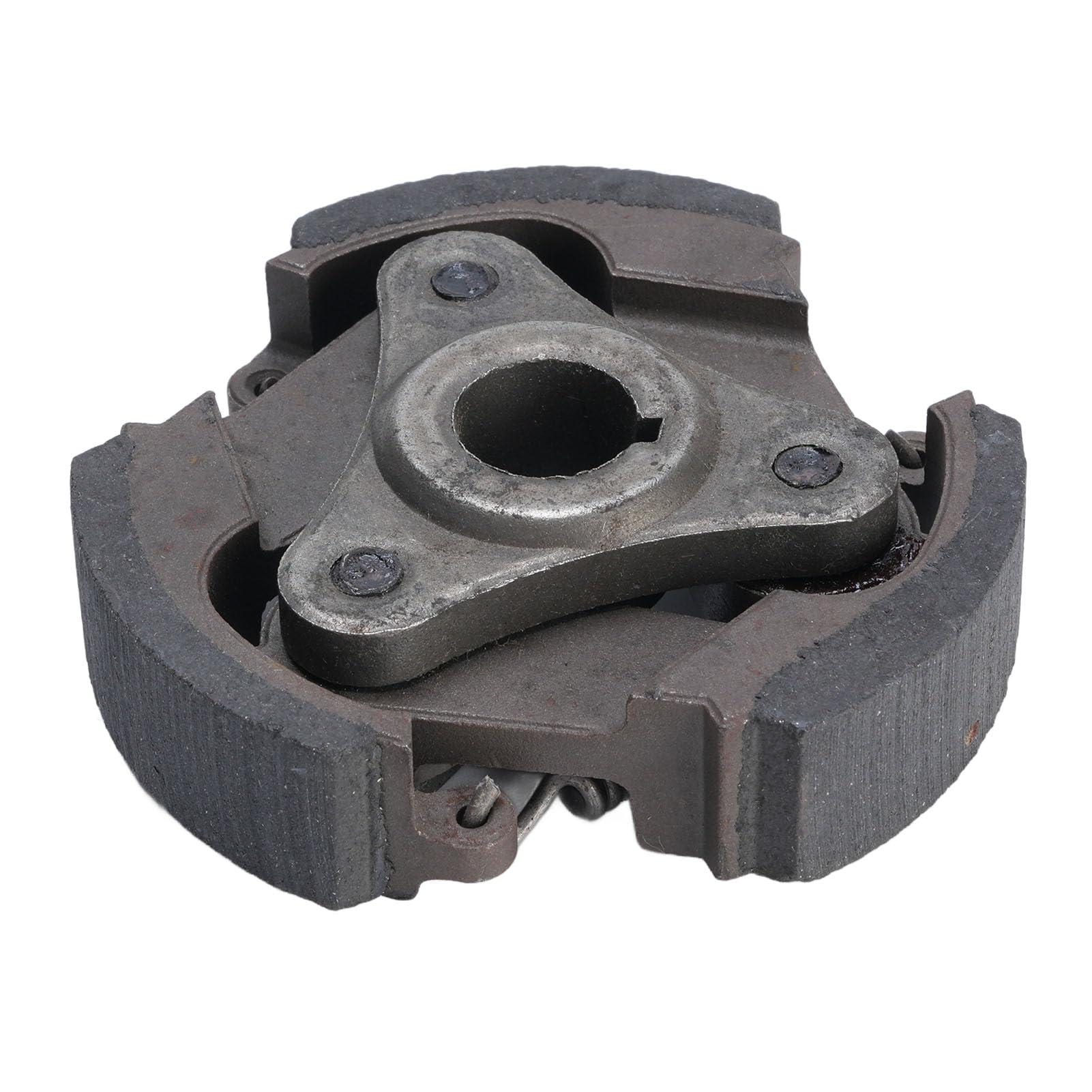
Image 2.1: Top-down view of the Robin 411 Brush Cutter Coupling, showing the central hub, three clutch shoes, and springs.
- Exceptional Durability: Constructed from high-strength iron material for long-lasting performance.
- Smooth Engagement: Designed for efficient power transfer, reducing motor stress.
- Precise Fit: Engineered specifically for Robin 411 brush cutters, ensuring easy installation.
- Optimized Performance: Maximizes power transmission from the engine to the cutting section.
- Advanced Vibration Damping: Minimizes vibration for more comfortable and extended operating times.
3. Specifications
| Attribute | Value |
|---|---|
| Brand | Generic |
| Model Number | Generic1kw5csmabe |
| Item Type Name | String Trimmers (Component) |
| Material | Iron |
| Item Weight | 273 Grams (approx. 9.63 oz) |
| Item Dimensions L x W | 7.87"L x 6.29"W (approximate) |
| Required Assembly | No (for the coupling itself, but requires installation into brush cutter) |
4. Setup and Installation
This coupling is a replacement part. Proper installation is crucial for safety and optimal performance. If you are unsure about any step, consult a qualified technician.
4.1 Safety Precautions
- Always ensure the brush cutter engine is turned OFF and cooled down before beginning any work.
- Disconnect the spark plug wire to prevent accidental starting.
- Wear appropriate personal protective equipment (PPE), including gloves and eye protection.
- Refer to your brush cutter's original manual for specific disassembly and assembly instructions.
4.2 Tools Required (Typical)
- Socket wrench set
- Screwdriver set
- Pliers
- Clean rags
4.3 Installation Steps
- Access the Clutch Assembly: Depending on your specific Robin 411 model, you may need to remove the engine cover or other components to gain access to the existing clutch assembly.
- Remove the Old Coupling: Carefully unbolt or unscrew the old coupling from the engine crankshaft. Note the orientation and any washers or spacers.
- Inspect the Crankshaft: Clean any debris or rust from the crankshaft and surrounding area. Ensure the keyway (if present) is clear.
- Install the New Coupling: Align the new Generic Robin 411 Brush Cutter Coupling with the crankshaft. Ensure it slides on smoothly and is correctly seated. The precise fit is designed for easy installation.
- Secure the Coupling: Fasten the coupling using the appropriate bolts or screws. Tighten them to the manufacturer's recommended torque specifications (refer to your brush cutter manual).
- Reassemble: Reattach any covers or components that were removed during disassembly.
- Test: Reconnect the spark plug wire. Start the brush cutter and allow it to idle. Observe for any unusual noises or vibrations before operating under load.
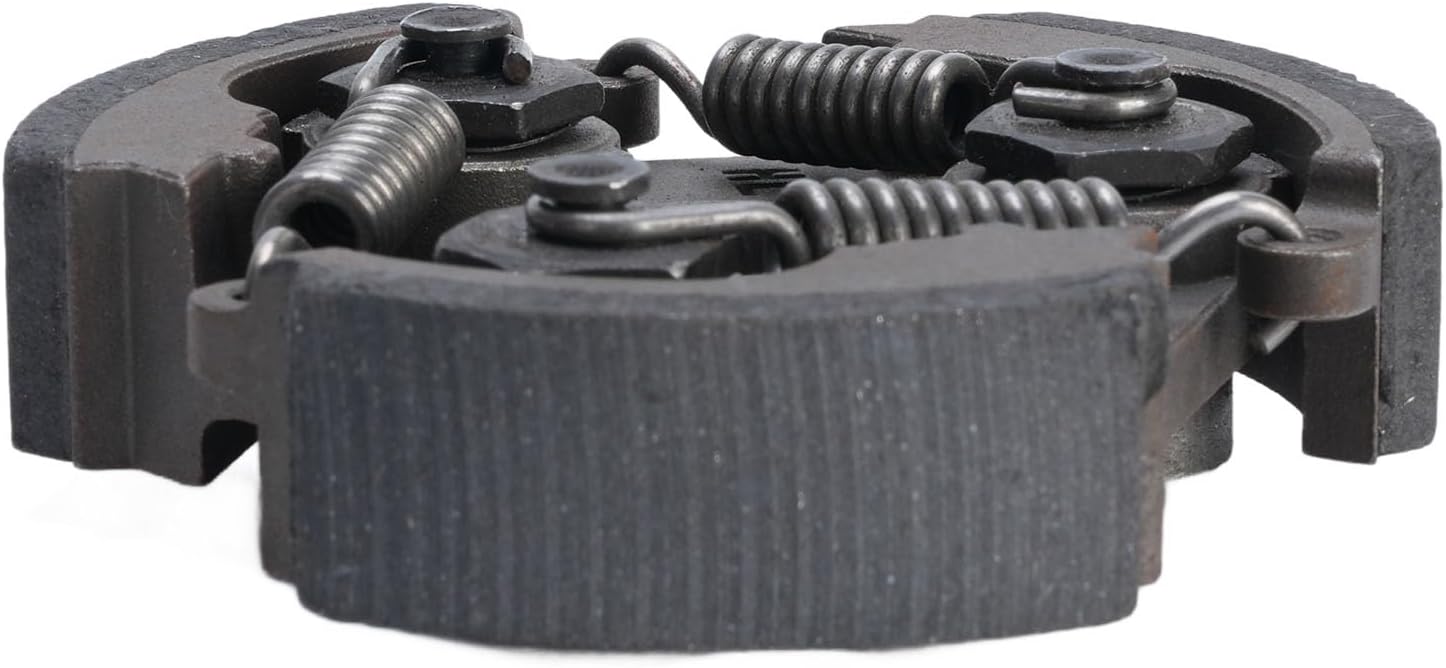
Image 4.1: Side view of the coupling, highlighting the springs and clutch pads that engage during operation.

Image 4.2: Top-down view of the coupling, illustrating the three springs and their attachment points, crucial for proper clutch engagement.
5. Operating Principles
Once installed, the Robin 411 Brush Cutter Coupling operates automatically. It is a centrifugal clutch system:
- At low engine RPM (idle), the clutch shoes remain retracted, disengaging the cutting head. This allows the engine to run without the cutting head spinning.
- As engine RPM increases, centrifugal force causes the clutch shoes to expand outwards.
- The expanding clutch shoes make contact with the clutch drum (not included with this coupling), creating friction and transferring power to the cutting head.
- The design ensures smooth engagement and efficient power transfer, minimizing shock to the engine and drivetrain.
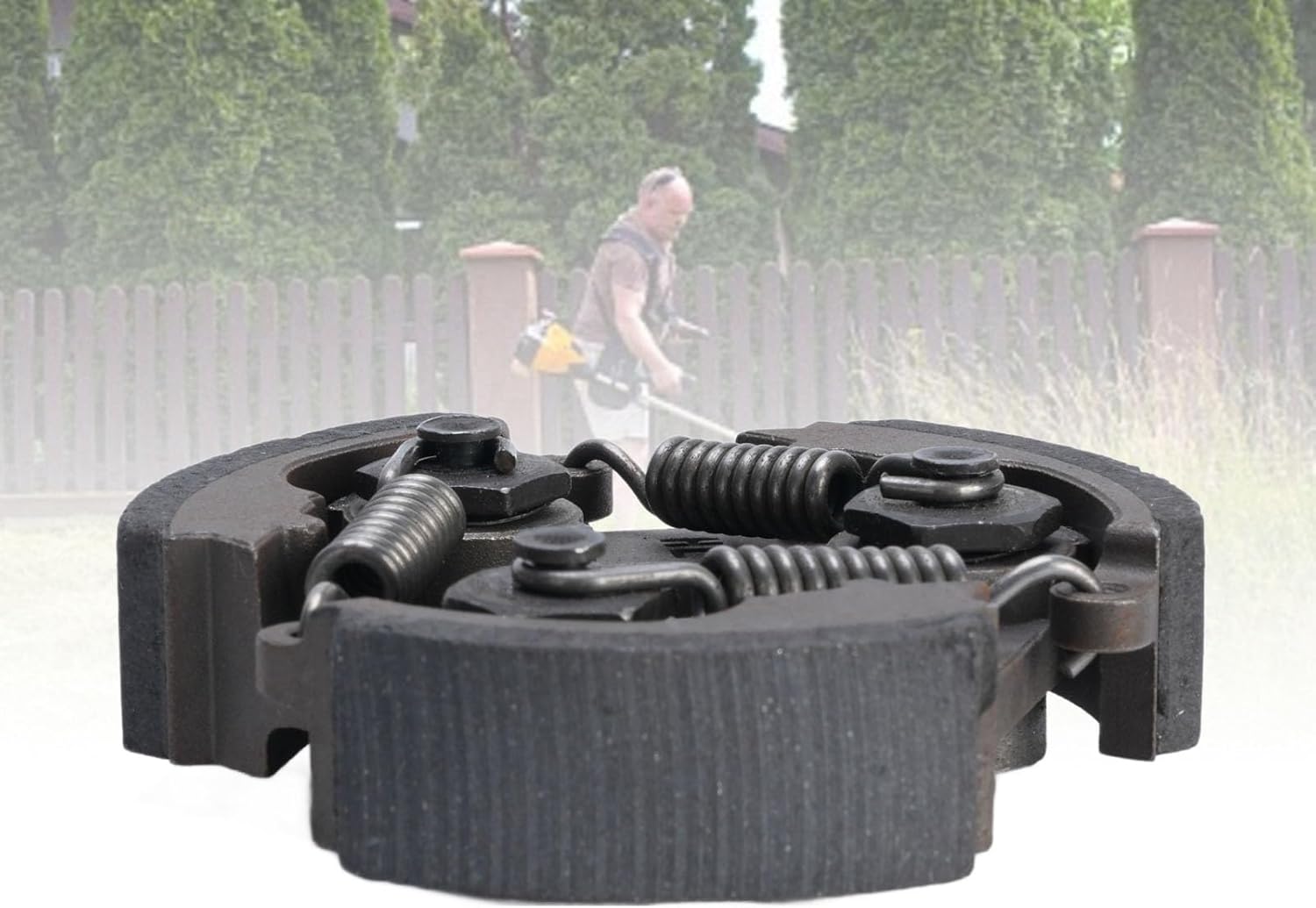
Image 5.1: The coupling in the foreground, illustrating its role in a brush cutter's operation, with a user in the background.
6. Maintenance
Regular inspection and maintenance will prolong the life of your coupling and ensure safe operation.
- Visual Inspection: Periodically inspect the coupling for signs of wear, cracks, or damage to the clutch shoes and springs. Look for excessive scoring or glazing on the clutch shoes.
- Cleaning: Keep the clutch area free from dirt, grass clippings, and debris. A build-up of foreign material can interfere with proper clutch engagement.
- Spring Tension: Ensure the springs are intact and provide adequate tension. Worn or stretched springs can lead to premature engagement or slippage.
- Replacement: If significant wear or damage is observed, replace the coupling immediately to prevent further damage to your brush cutter.

Image 6.1: Angled view of the coupling, showing the textured surface of the clutch pads, which are critical for friction and power transfer.
7. Troubleshooting
If you experience issues with your brush cutter's power transmission, the coupling may be a factor. Here are some common problems and potential solutions:
| Problem | Possible Cause | Solution |
|---|---|---|
| Cutting head spins at idle | Worn or stretched clutch springs; debris in clutch housing; worn clutch shoes. | Inspect and replace springs if necessary. Clean clutch housing. Replace coupling if shoes are worn. |
| Cutting head does not engage or slips | Worn clutch shoes; weak clutch springs; oil/grease contamination on clutch shoes/drum. | Replace coupling. Inspect and replace springs. Clean clutch area thoroughly. |
| Excessive vibration during operation | Damaged or unbalanced coupling; worn engine mounts; bent shaft. | Inspect coupling for damage and replace if necessary. Check other components of the brush cutter. |
| Unusual noises (e.g., squealing, grinding) | Worn clutch shoes; foreign object in clutch housing; dry bearings (not part of coupling). | Inspect and replace coupling. Clean clutch housing. Consult brush cutter manual for bearing maintenance. |
If troubleshooting steps do not resolve the issue, it is recommended to consult a qualified service technician.
8. Warranty and Support
Specific warranty information for this Generic product is not provided in this manual. For details regarding warranty coverage, returns, or technical support, please contact the seller or retailer from whom you purchased the product. Ensure you have your purchase receipt and product details available when contacting support.