
1. Product Overview
This Spkagy carburetor is a replacement component designed to ensure optimal fuel delivery and engine performance for specific Briggs & Stratton engine models. It is engineered for precise fitment and efficient fuel atomization, contributing to better engine operation and fuel economy.
Key Features:
- Precise Fit: Specifically designed for Briggs & Stratton engines (models 92502, 92508, 92902, 92982, 93902) to ensure perfect compatibility.
- Efficient Fuel Atomization: Optimized design improves fuel-air mixture for better engine performance and fuel economy.
- Durable Construction: Made with high-quality metal and corrosion-resistant materials for extended lifespan.
- Easy Installation: Designed to meet OEM specifications for hassle-free replacement without modification.
- Stable Fuel Supply: Ensures smooth engine operation under various conditions, reducing stalling and starting issues.
2. Package Contents
Verify that all items listed below are present in your package:
- 1 x Spkagy Carburetor Assembly
- Gaskets (as pictured)
- Mounting Screws (as pictured)
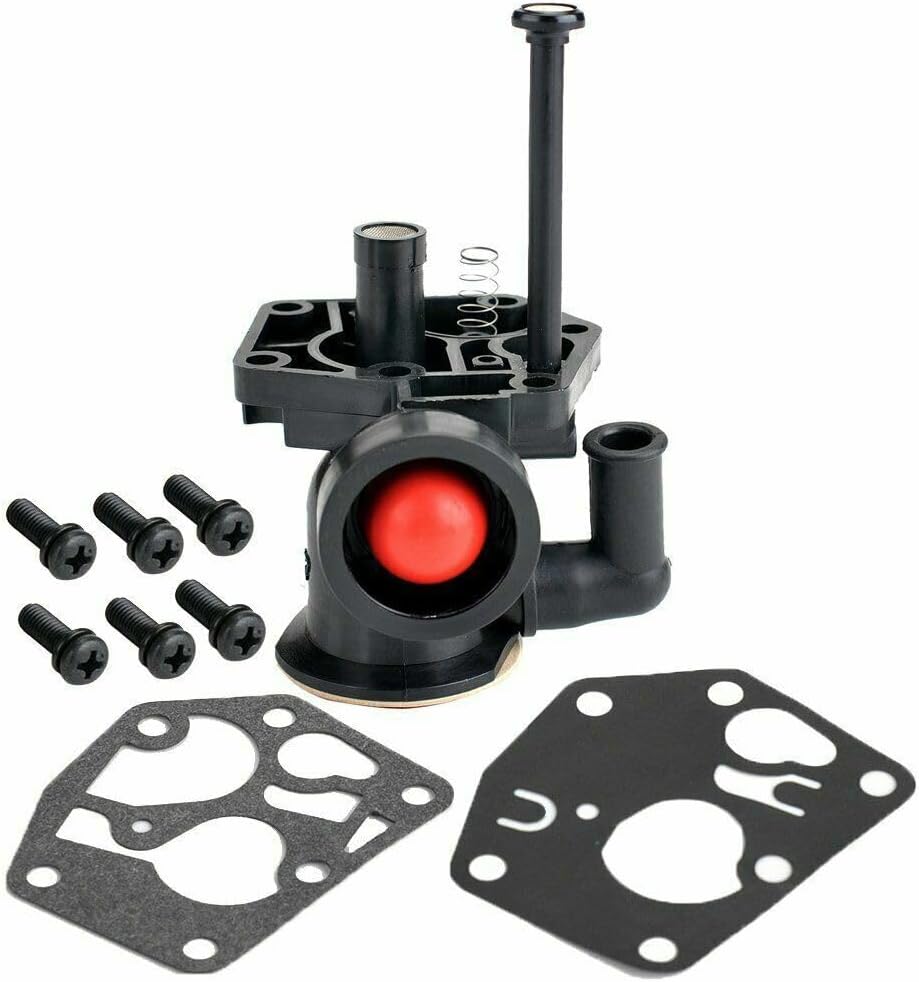
Image 2.1: The complete Spkagy Carburetor assembly, including necessary gaskets and mounting screws for installation.
3. Safety Information
Always prioritize safety when working with engine components. Failure to follow these safety guidelines may result in injury or damage to equipment.
- Disconnect Power: Before beginning any work, ensure the engine is turned off and the spark plug wire is disconnected to prevent accidental starting.
- Fuel Handling: Work in a well-ventilated area. Fuel is highly flammable; avoid open flames, sparks, and smoking. Use an approved container for draining fuel.
- Eye Protection: Always wear safety glasses or goggles to protect your eyes from debris and fuel splashes.
- Gloves: Wear appropriate gloves to protect your hands from fuel, oil, and sharp edges.
- Hot Surfaces: Allow the engine to cool completely before working on it to avoid burns.
- Proper Tools: Use the correct tools for each task to prevent damage to components and ensure a secure fit.
4. Installation Guide
4.1. Before You Begin
- Gather all necessary tools (e.g., wrenches, screwdrivers, pliers).
- Ensure the engine is cool and the fuel tank is drained or clamped off.
- Have a clean workspace and a container for old parts and drained fuel.
4.2. Installation Steps
- Locate and Remove Air Filter: Carefully remove the air filter housing and air filter to gain access to the carburetor.
- Disconnect Fuel Line: Pinch off the fuel line or drain the fuel tank. Disconnect the fuel line from the old carburetor. Be prepared for residual fuel.
- Disconnect Linkages: Detach any throttle linkages, choke linkages, and springs connected to the old carburetor. Note their positions for reassembly.
- Remove Mounting Bolts: Unscrew the mounting bolts that secure the carburetor to the engine manifold.
- Remove Old Carburetor: Carefully pull the old carburetor away from the engine, ensuring all gaskets are removed. Clean the mounting surface thoroughly.
- Install New Gaskets: Place the new gaskets provided with your Spkagy carburetor onto the engine manifold and the carburetor mounting points. Ensure they are correctly oriented.
- Mount New Carburetor: Position the new Spkagy carburetor onto the mounting studs, aligning it with the gaskets. Secure it with the mounting bolts, tightening them evenly.
- Reconnect Linkages: Reattach all throttle and choke linkages, and springs, ensuring they move freely and are correctly seated. Refer to your notes or a diagram if needed.
- Reconnect Fuel Line: Connect the fuel line to the new carburetor. Remove any clamps or open the fuel valve. Check for leaks.
- Reinstall Air Filter: Reattach the air filter and air filter housing.

Image 4.1: Side view of the Spkagy Carburetor, showing the fuel inlet and primer bulb.

Image 4.2: Top view of the Spkagy Carburetor, illustrating the internal components such as the float needle and spring mechanism.
5. Operation
5.1. Initial Startup
After installation, perform the following steps for the first startup:
- Ensure the fuel tank has fresh, clean fuel.
- Prime the carburetor by pressing the primer bulb several times until fuel is visible in the bulb or the bulb feels firm.
- Set the choke to the appropriate starting position (usually full choke for a cold engine).
- Start the engine according to your engine manufacturer's instructions.
- Once the engine starts, gradually move the choke to the run position as the engine warms up.
5.2. Normal Operation
The carburetor automatically mixes fuel and air for optimal combustion. Ensure your engine's air filter is clean for proper air intake. If the engine runs rough or stalls, refer to the troubleshooting section.
6. Maintenance
Regular maintenance of your carburetor and engine components ensures longevity and reliable performance.
6.1. Regular Inspection
- Periodically check fuel lines for cracks or leaks.
- Inspect the air filter and clean or replace it as recommended by your engine manufacturer. A dirty air filter can affect carburetor performance.
- Check all connections and mounting bolts for tightness.
6.2. Cleaning
If the carburetor becomes clogged or dirty due to stale fuel or debris, it may require cleaning. This typically involves disassembling the carburetor, cleaning jets and passages with carburetor cleaner, and replacing gaskets if necessary. It is recommended to consult a professional or refer to a detailed engine service manual for complex cleaning procedures.
7. Troubleshooting
This section addresses common issues you might encounter with your carburetor or engine.
| Problem | Possible Cause | Solution |
|---|---|---|
| Engine will not start | No fuel, clogged fuel filter, faulty spark plug, incorrect choke setting, carburetor issues. | Check fuel level, replace fuel filter, inspect/replace spark plug, adjust choke, inspect carburetor for clogs. |
| Engine runs rough or stalls | Dirty air filter, stale fuel, clogged carburetor jet, improper fuel-air mixture. | Clean/replace air filter, use fresh fuel, clean carburetor, adjust idle mixture screw if applicable (consult engine manual). |
| Engine lacks power | Clogged air filter, restricted fuel flow, carburetor not delivering enough fuel. | Clean/replace air filter, check fuel lines and filter, clean carburetor. |
| Fuel leaks from carburetor | Loose connections, damaged gaskets, faulty float needle. | Tighten connections, replace gaskets, inspect/replace float needle. |
8. Technical Specifications
| Specification | Detail |
|---|---|
| Brand | Spkagy |
| Compatible Engine Models | Briggs & Stratton 92502, 92508, 92902, 92982, 93902 |
| Material | Aluminum (Exterior) |
| Item Weight | Approximately 1 pound |
| Package Dimensions | Approximately 1 x 1 x 1 inches |
9. Warranty and Support
For warranty information or technical support regarding your Spkagy carburetor, please refer to the retailer or contact the manufacturer directly. Keep your purchase receipt as proof of purchase.