
Introduction
This manual provides essential information for the installation, maintenance, and general understanding of the Dorman 540-707 Rear Suspension Stabilizer Bar Bushing Kit. This kit is engineered to serve as a direct replacement for the original equipment on specific Ford Mustang vehicles, ensuring reliable performance and fitment.
Safety Information
Always prioritize safety when working on a vehicle. Failure to follow proper safety procedures can result in serious injury or damage to the vehicle. It is recommended that installation be performed by a qualified technician.
- Wear appropriate personal protective equipment (PPE), including safety glasses and gloves.
- Ensure the vehicle is securely supported on jack stands on a level surface before beginning any work. Never rely solely on a jack.
- Disconnect the vehicle's battery if working near electrical components.
- Use the correct tools for each task.
- Refer to the vehicle's service manual for specific torque specifications and procedures.
Package Contents
The Dorman 540-707 Rear Suspension Stabilizer Bar Bushing Kit typically includes the following components:
- Two (2) Stabilizer Bar Bushings (as indicated by the product title "2 Pack").
Note: Inspect all components upon receipt to ensure no items are missing or damaged.
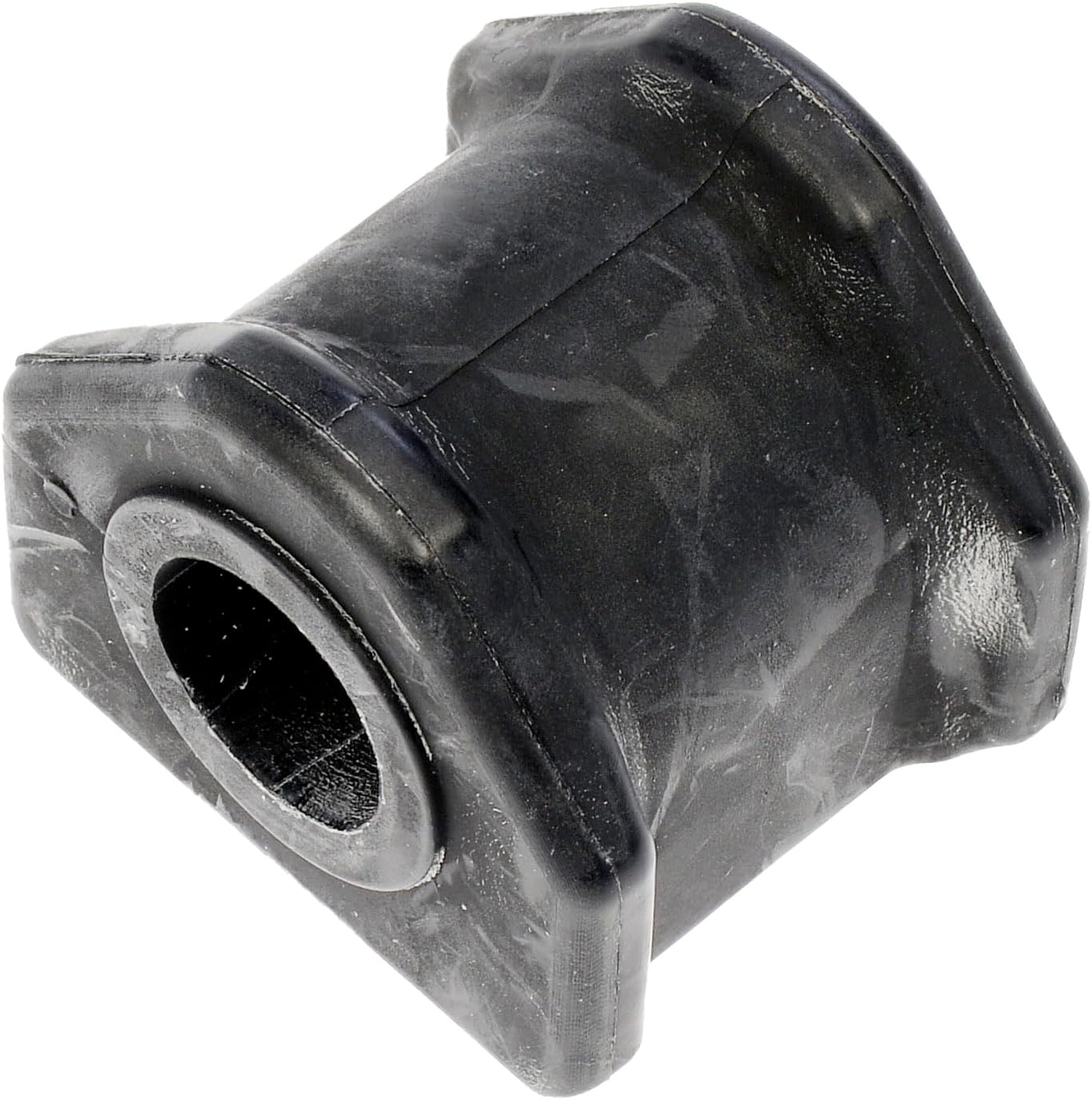
Figure 1: A single black rubber bushing, viewed from an angle, showing its general shape. This kit contains two such bushings.
Compatibility
This Dorman 540-707 Rear Suspension Stabilizer Bar Bushing Kit is compatible with the following vehicles:
- Ford Mustang: 2012, 2013, 2014
It is crucial to confirm fitment for your specific vehicle trim before installation. Refer to your vehicle's service manual or a reputable automotive parts database for precise compatibility details.
Installation
The following steps provide a general overview for replacing rear suspension stabilizer bar bushings. Specific procedures may vary by vehicle model and year. Always consult your vehicle's service manual for detailed instructions.
- Prepare the Vehicle: Park the vehicle on a level surface, engage the parking brake, and block the wheels. Raise the rear of the vehicle using a floor jack and support it securely with jack stands. Remove the rear wheels for better access if necessary.
- Locate Stabilizer Bar: Identify the rear stabilizer bar and the existing bushings that secure it to the vehicle frame or subframe.
- Remove Old Bushings: Loosen and remove the bolts securing the stabilizer bar bushing brackets. Carefully remove the brackets and the old, worn bushings. Note the orientation of the old bushings for correct installation of the new ones.
- Clean Mounting Area: Clean any dirt, rust, or debris from the stabilizer bar and the mounting surfaces where the new bushings will sit.
- Install New Bushings: Position the new Dorman 540-707 bushings onto the stabilizer bar. Ensure they are correctly oriented. Apply a small amount of silicone-based grease (if recommended by the vehicle manufacturer or bushing instructions) to the inner surface of the bushing to aid in installation and prevent squeaking.
- Reinstall Brackets: Place the stabilizer bar bushing brackets over the new bushings and align them with the mounting holes. Insert and hand-tighten the retaining bolts.
- Torque Bolts: Using a torque wrench, tighten the retaining bolts to the vehicle manufacturer's specified torque values. Refer to your vehicle's service manual for these specifications.
- Final Steps: Reinstall the wheels (if removed) and lower the vehicle safely. Test drive the vehicle to ensure proper function and check for any unusual noises or handling characteristics.

Figure 2: Front view of the Dorman 540-707 bushing, showing the central bore and molded markings.

Figure 3: Side view of the Dorman 540-707 bushing, illustrating its profile and length.
Operating Principle
Stabilizer bar bushings are critical components of a vehicle's suspension system. They provide a cushioned mounting point for the stabilizer bar (also known as an anti-roll bar or sway bar) to the vehicle chassis. The stabilizer bar helps to reduce body roll during cornering, improving handling and stability. The bushings allow the stabilizer bar to rotate smoothly while isolating vibrations and noise. Over time, these rubber components can wear, crack, or harden, leading to reduced effectiveness and potential noise.
Maintenance
Regular inspection of suspension components, including stabilizer bar bushings, is recommended as part of routine vehicle maintenance. Look for the following signs of wear:
- Cracks or tears in the rubber material.
- Excessive looseness or play in the bushing.
- Squeaking or clunking noises coming from the suspension, especially over bumps or during turns.
- Noticeable increase in body roll during cornering.
If any of these signs are present, replacement of the bushings is advised to restore proper suspension function and vehicle handling.

Figure 4: Top view of the Dorman 540-707 bushing, highlighting its curved upper surface.
Troubleshooting
If you experience issues after installing new bushings or suspect bushing-related problems, consider the following:
- Squeaking Noises: Ensure proper lubrication (if applicable) and correct torque on mounting bolts. Verify the bushing is not binding or rubbing against other components.
- Clunking or Rattling: Check that all mounting bolts are tightened to specification. Inspect other suspension components (e.g., end links, ball joints) for wear, as these can also cause similar noises.
- Poor Handling: Confirm that the correct bushings were installed and that they are properly seated. Check for other suspension or steering component issues.
If problems persist, consult a professional automotive technician.
Specifications
| Brand | Dorman |
| Model Number | 540-707 |
| Item Weight | 6.9 ounces (approximate, for one kit) |
| Product Dimensions | 6 x 3.37 x 2.32 inches (approximate, for one kit) |
| Manufacturer Part Number | 540-707 |
| OEM Part Number | CR3Z5493B |
| Material | Rubber (Durable construction) |
Warranty and Support
For information regarding product warranty, returns, or technical support, please refer to the official Dorman Products website or contact Dorman customer service directly. Warranty terms and conditions may vary.
Dorman Products Official Website: www.dormanproducts.com


