
Introduction
This manual provides essential instructions for the proper installation, operation, maintenance, and troubleshooting of the Generic 16231 Starter Drive. This component is designed as a replacement part for various Briggs & Stratton engines, specifically replacing part numbers 693699 and 593934. It is also compatible with Rotary starters 10709, 13096, 12954, and 12494. Please read this manual thoroughly before attempting any installation or service to ensure safe and effective use.
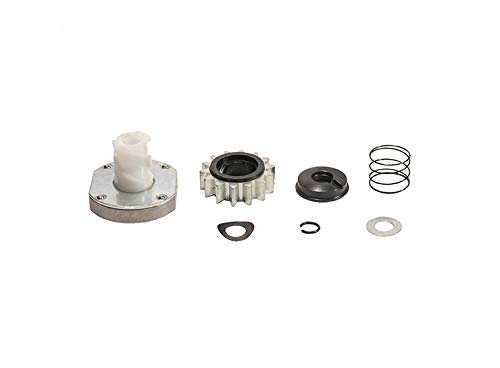
Image 1: The Generic 16231 Starter Drive. This image displays the complete starter drive assembly, showing its gear, spring, and housing components.
Safety Information
WARNING:
- Always disconnect the spark plug wire and battery cable before performing any service or maintenance on the engine to prevent accidental starting.
- Wear appropriate personal protective equipment (PPE), including safety glasses and gloves, when handling engine components.
- Ensure the engine is cool before working on it to avoid burns.
- If you are unsure about any step, consult a qualified service technician.
- Keep children and pets away from the work area.
Setup and Installation
The Generic 16231 Starter Drive is a critical component of the engine's starting system. Proper installation is essential for reliable operation. This guide assumes the starter motor has been removed from the engine.
Tools Required:
- Socket wrench set
- Screwdriver set
- Snap ring pliers (if applicable to your starter motor design)
- Clean rags
- Degreaser (optional)
Installation Steps:
- Remove Old Starter Drive:
Carefully disassemble the starter motor to access the old starter drive. This typically involves removing retaining clips or snap rings that hold the drive in place on the armature shaft. Note the orientation of all components as you remove them.
- Clean Armature Shaft:
Thoroughly clean the armature shaft of any grease, dirt, or debris. A degreaser can be used if necessary. Ensure the shaft is smooth and free of obstructions.
- Install New Starter Drive:
Slide the new Generic 16231 Starter Drive onto the armature shaft. Ensure it slides freely and engages correctly. Reinstall any retaining clips or snap rings that secure the drive to the shaft. Verify that the drive moves smoothly along the shaft when manually operated.
- Reassemble Starter Motor:
Reassemble the starter motor, ensuring all components are correctly seated and fasteners are tightened to the manufacturer's specifications. Do not overtighten.
- Reinstall Starter Motor:
Mount the reassembled starter motor back onto the engine. Connect the battery cable and spark plug wire. Ensure all connections are secure.
- Test Operation:
Before fully operating the equipment, perform a test start to ensure the starter drive engages and disengages properly. Listen for any unusual noises.
Operating Principles
The starter drive, also known as a Bendix drive, is responsible for engaging the starter motor's pinion gear with the engine's flywheel ring gear during startup. When the ignition key is turned, the starter motor spins, and the starter drive mechanism pushes the pinion gear forward to mesh with the flywheel. Once the engine starts, the flywheel spins faster than the starter pinion, causing the starter drive to disengage automatically, preventing damage to the starter motor.
Maintenance
While the starter drive itself requires minimal direct maintenance, its longevity is greatly influenced by the overall condition of the starter motor and engine.
- Keep Clean: Periodically inspect the starter motor area for excessive dirt, grease, or debris. A clean environment helps prevent premature wear.
- Inspect Wiring: Ensure all electrical connections to the starter motor are clean, tight, and free from corrosion.
- Battery Health: A weak battery can cause the starter motor to struggle, putting undue stress on the starter drive. Maintain your battery according to the engine manufacturer's recommendations.
- Flywheel Condition: Inspect the flywheel ring gear for worn or damaged teeth. A damaged flywheel can prematurely wear out the starter drive pinion.
Troubleshooting
If you experience issues with your engine's starting system after installing the new starter drive, consider the following common problems and solutions:
| Symptom | Possible Cause | Solution |
|---|---|---|
| Starter motor spins but engine does not crank. | Starter drive not engaging flywheel. | Inspect starter drive for proper installation and movement. Check flywheel ring gear for damage. |
| Grinding noise during startup. | Pinion gear not fully engaging or disengaging, or worn flywheel teeth. | Re-check starter drive installation. Inspect flywheel ring gear for wear or damage. |
| Starter motor makes a clicking sound but does not turn. | Weak battery, faulty solenoid, or seized engine. | Test battery voltage. Check solenoid connections. Ensure engine is not seized. |
| Starter motor continues to spin after engine starts. | Starter drive not disengaging. | Inspect starter drive for binding or damage. Replace if necessary. |
Specifications
| Feature | Detail |
|---|---|
| Model Number | 16231 |
| Brand | Generic |
| Replaces Briggs & Stratton Part Numbers | 693699, 593934 |
| Compatible with Rotary Starters | 10709, 13096, 12954, 12494 |
| Product Dimensions | 2.7 x 2.6 x 4.7 inches |
| Item Weight | 7.2 ounces |
Warranty Information
Warranty coverage for the Generic 16231 Starter Drive is provided by the seller or manufacturer. Please refer to your purchase documentation or contact the retailer directly for specific warranty terms and conditions. Keep your proof of purchase for any warranty claims.
Support
For technical assistance, installation questions, or troubleshooting beyond the scope of this manual, please contact the retailer or the manufacturer of the Generic 16231 Starter Drive. When contacting support, please have your product model number (16231) and purchase details readily available.