
FCBFJSW 50° 1/4 (hole diameter 0.91mm) Flat Fan Spray Nozzle
FCBFJSW Stainless Steel Flat Fan Spray Nozzle Instruction Manual
Model: 50° 1/4 (hole diameter 0.91mm) Flat Fan Spray Nozzle
Brand: FCBFJSW
1. Introduction
This manual provides detailed instructions for the FCBFJSW Stainless Steel Flat Fan Spray Nozzle. These nozzles are designed for high-pressure applications, delivering a powerful flat fan spray pattern for effective cleaning and various industrial uses. Constructed from durable 304 stainless steel, they offer excellent resistance to corrosion and wear.
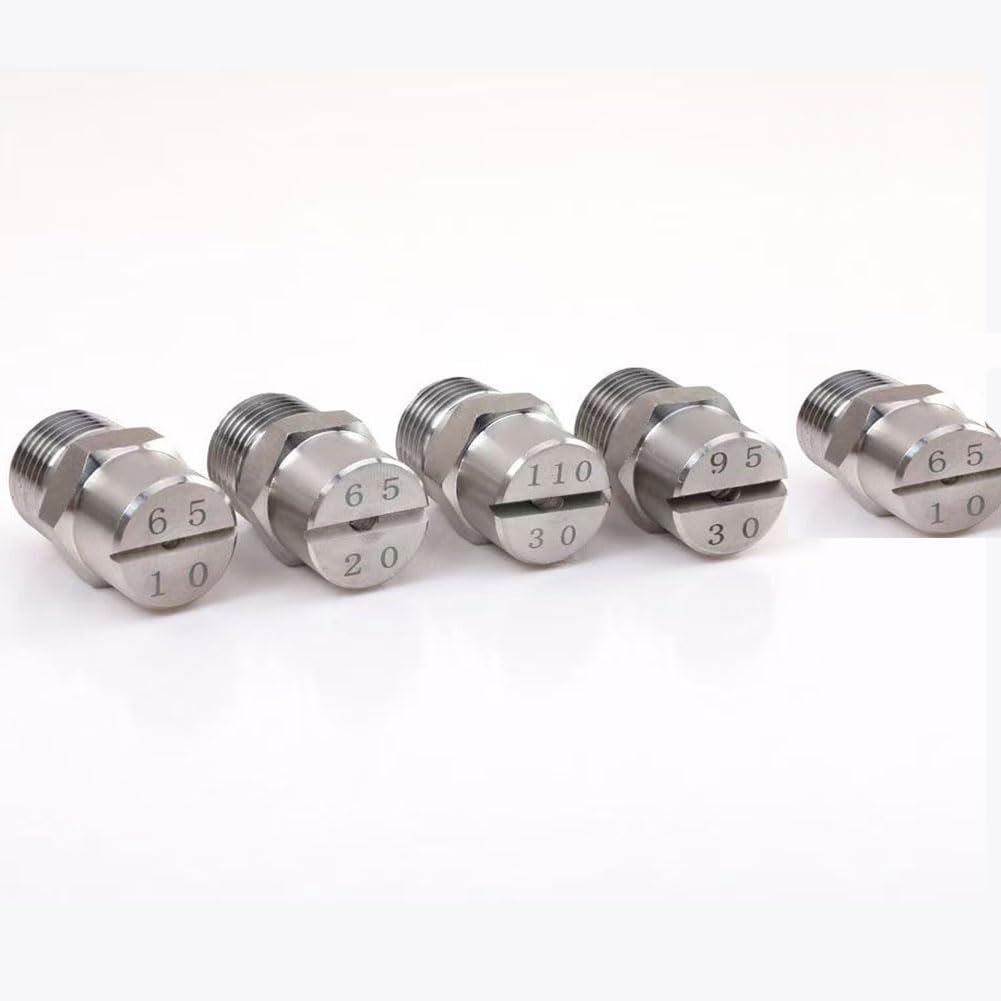
Figure 1: FCBFJSW Stainless Steel Flat Fan Spray Nozzles.
2. Specifications
The FCBFJSW Flat Fan Spray Nozzles are engineered for precision and durability. Key specifications are detailed below:
- Material: 304 Stainless Steel (corrosion resistant)
- Spray Pattern: Flat Fan with even spray distribution and medium droplet size
- Thread Sizes: 1/8 BSPT (9.5mm thread diameter) and 1/4 BSPT (12.5mm thread diameter)
- Spray Angles Available: 45°, 50°, 65°, 80°, 95°, 110°
- Orifice Diameters Available: 0.66mm, 0.91mm, 1.1mm, 1.3mm, 1.4mm, 1.8mm, 2.0mm, 2.4mm, 2.8mm, 3.6mm
- Package Quantity: 5 nozzles per package
- Manufacturer: FCBFJSW
- Part Number: 43HXmAIMD-gRlP-H7ah
2.1. Product Dimensions
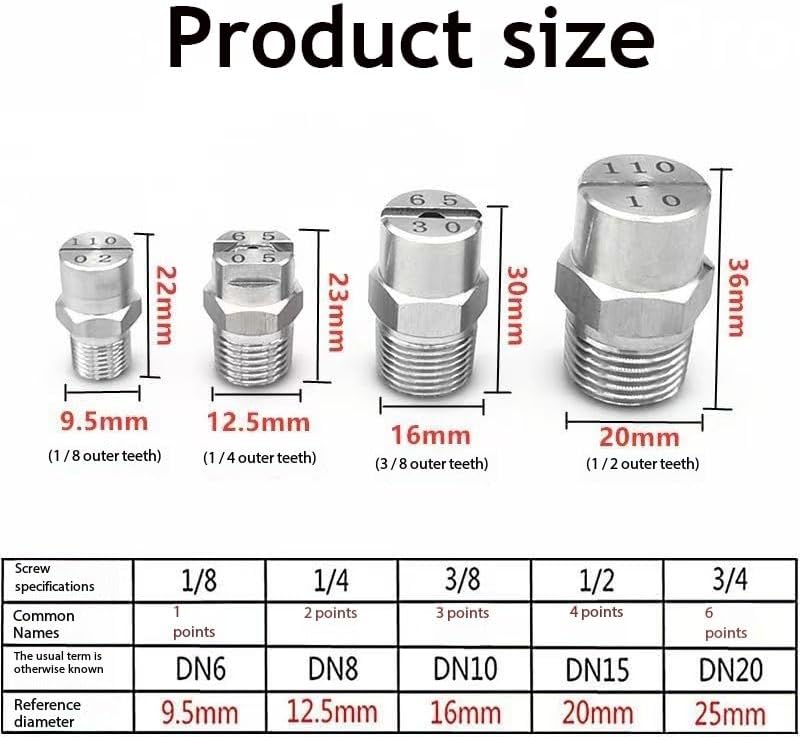
Figure 2: Product dimensions for different thread sizes.
The nozzles come in various thread sizes, each with specific dimensions. Refer to the diagram above for detailed measurements of 1/8, 1/4, 3/8, and 1/2 outer teeth variants.
2.2. Flow Rate Parameters
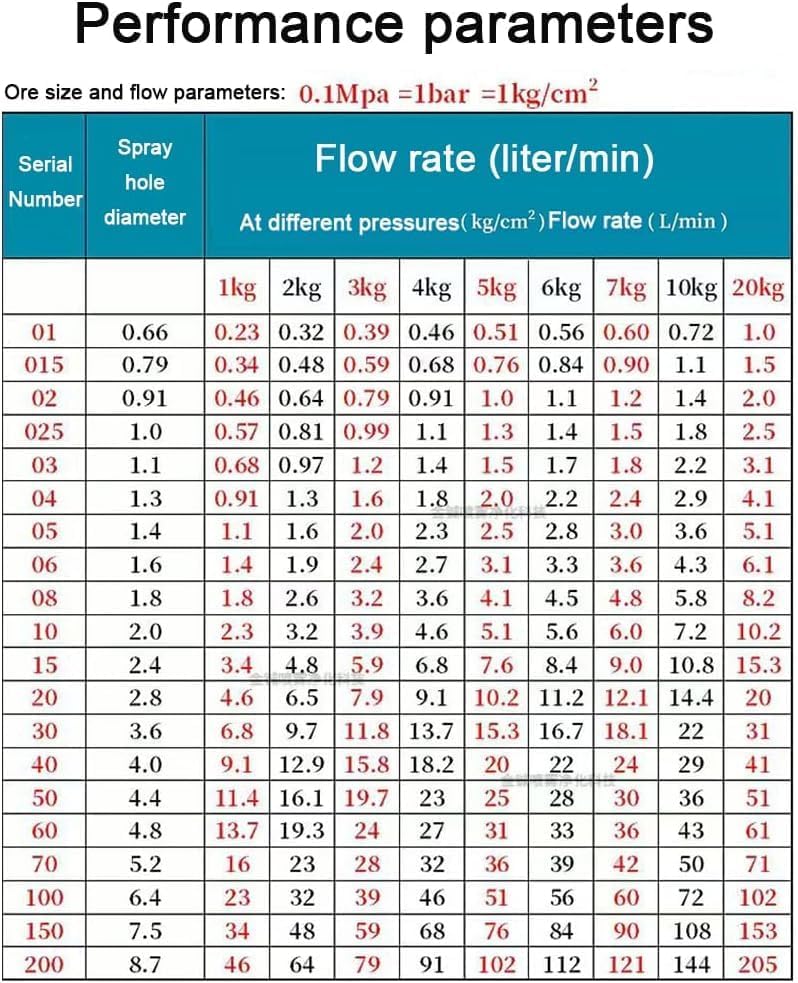
Figure 3: Flow rate (liters/min) at different pressures for various orifice diameters.
The flow rate of the nozzle varies depending on the spray hole diameter and the operating pressure. Consult the provided table for detailed performance parameters to select the appropriate nozzle for your application.
3. Setup and Installation
These flat fan spray nozzles are designed for easy installation into compatible high-pressure systems. Follow these general steps for proper setup:
- Ensure System Compatibility: Verify that your high-pressure system's connection port matches the nozzle's thread size (1/8 BSPT or 1/4 BSPT).
- Prepare Connection: Ensure the connection area on your system is clean and free of debris.
- Thread Nozzle: Carefully thread the nozzle into the connection port. Turn clockwise until hand-tight.
- Secure Connection: Use an appropriate wrench to gently tighten the nozzle, ensuring a secure, leak-free seal. Avoid over-tightening, which can damage the threads.
- Inspect: Before operating, visually inspect the connection for proper alignment and tightness.

Figure 4: Nozzle showing external screw connections and spray orifice.
4. Operating Instructions
Once installed, the FCBFJSW Flat Fan Spray Nozzle operates by converting high-pressure liquid into a precise, impactful flat fan spray. The spray angle and orifice diameter determine the spray's characteristics.
- Pressure Application: Apply the desired high pressure to the system. The nozzle will immediately begin to spray.
- Spray Pattern: The flat fan pattern ensures even distribution and strong impact, ideal for cleaning and other applications requiring a concentrated spray.
- Directional Control: Orient the nozzle to direct the flat spray pattern precisely where needed.

Figure 5: Flat fan spray pattern in operation.
5. Maintenance
Due to their 304 stainless steel construction, these nozzles are highly resistant to corrosion and require minimal maintenance. However, regular inspection and cleaning can prolong their lifespan and ensure optimal performance:
- Regular Inspection: Periodically check the nozzle for any signs of wear, damage, or blockage in the orifice.
- Cleaning: If the spray pattern becomes irregular or flow is reduced, the nozzle may be partially clogged. Disconnect the nozzle from the system and carefully clean the orifice using a fine wire or a specialized nozzle cleaning tool. Avoid using abrasive materials that could damage the stainless steel.
- Storage: When not in use for extended periods, store nozzles in a clean, dry environment to prevent accumulation of dirt or debris.
6. Troubleshooting
Most issues with spray nozzles are related to blockages or improper installation. Here are some common troubleshooting tips:
| Problem | Possible Cause | Solution |
|---|---|---|
| Reduced or erratic spray flow | Nozzle orifice is clogged or partially blocked. | Disconnect nozzle, inspect and clean the orifice. Ensure water supply is clean. |
| Leaking at connection point | Nozzle not tightened sufficiently or damaged threads/seal. | Ensure nozzle is securely tightened. Check threads for damage. Replace if necessary. |
| No spray | Nozzle completely clogged or no water pressure. | Check water supply and pressure. Clean nozzle orifice thoroughly. |
7. Application Scenarios
The FCBFJSW Flat Fan Spray Nozzles are versatile and suitable for a wide range of high-pressure applications due to their robust construction and effective spray pattern. Common uses include:
- Factory cooling systems
- Industrial dust removal
- Road humidification and sweeping
- Construction site dust suppression
- Agricultural spraying
- Workshop disinfection
- High-pressure cleaning (e.g., car washing, equipment cleaning)
- Metal cooling processes
- Sewage treatment
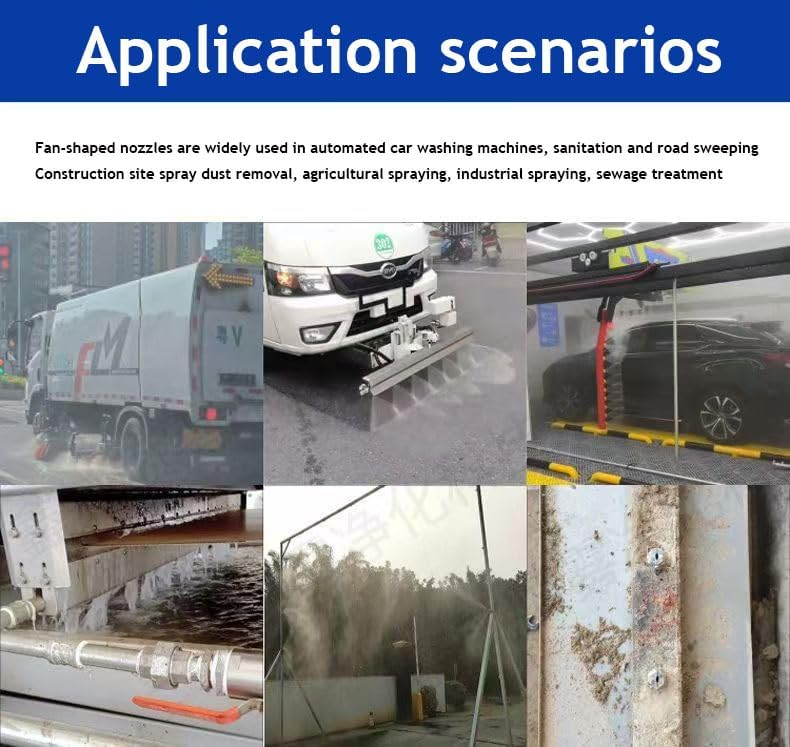
Figure 6: Examples of flat fan spray nozzle applications.
Ask a question about this manual
Ask about setup, troubleshooting, compatibility, parts, safety, or missing instructions. Manuals+ will review the question and use this page’s manual context to help answer it.