
IMIFAFTAbT 12201-5CA0A 122015CA0A
Crankshaft Instruction Manual
Model: 12201-5CA0A 122015CA0A
Brand: IMIFAFTAbT
Introduction
This manual provides essential information regarding the IMIFAFTAbT 12201-5CA0A 122015CA0A Crankshaft. It covers product overview, compatibility, installation guidelines, maintenance, and specifications. This crankshaft is designed for specific Nissan and INFINITI VR30 3.0L engines. Please read this manual thoroughly before installation and use to ensure proper function and longevity of the component.
Product Overview
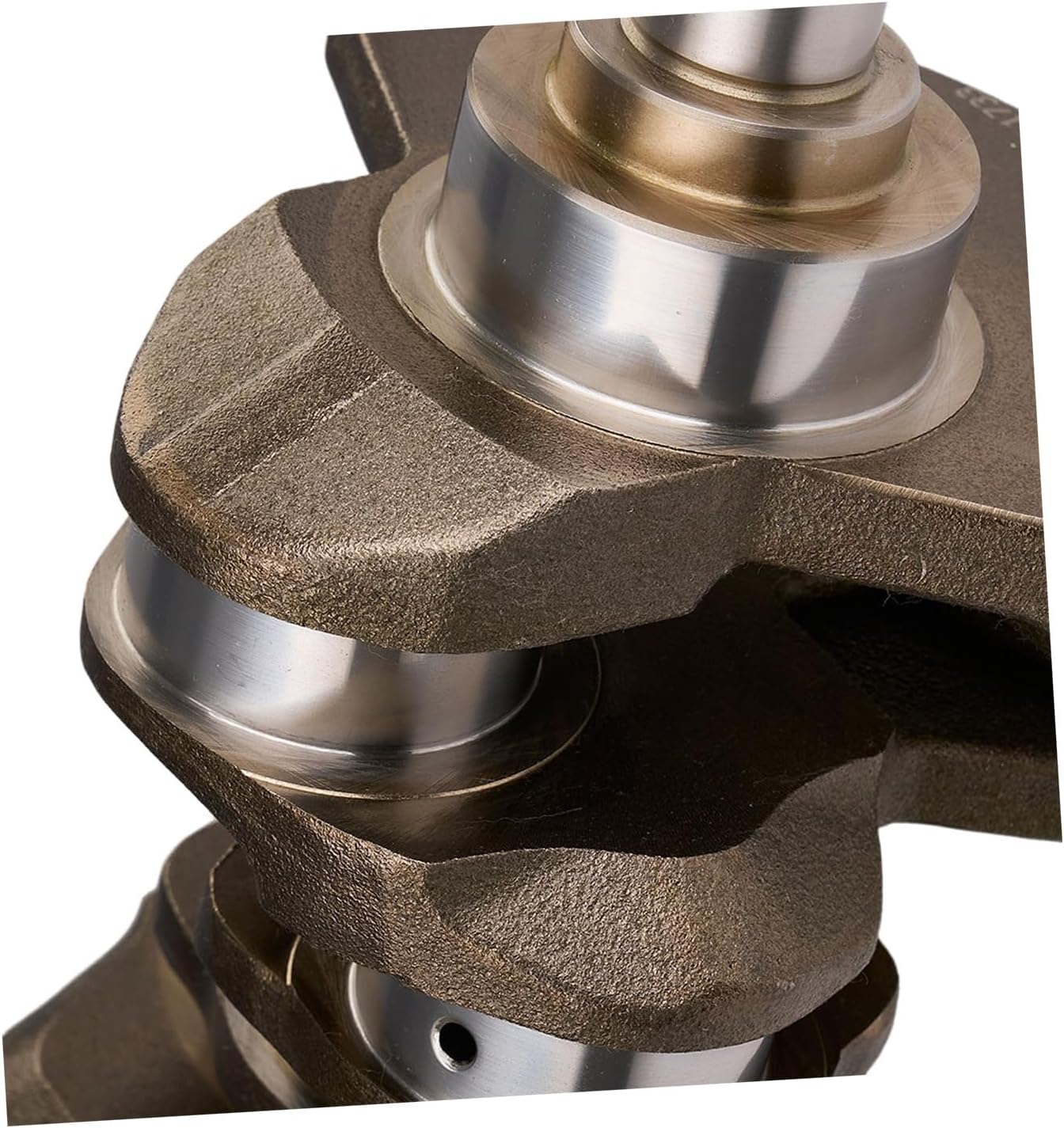
The crankshaft is a critical component in an internal combustion engine, responsible for converting the reciprocating motion of the pistons into rotational motion, which then drives the vehicle's transmission. The IMIFAFTAbT 12201-5CA0A 122015CA0A crankshaft is a precision-engineered part designed to meet the demanding specifications of its intended applications.




Compatibility
This crankshaft (Part Number: 12201-5CA0A 122015CA0A) is compatible with the following vehicle and engine applications:
- Nissan VR30 3.0L Engine Z: Model years 2023-2025
- INFINITI Q50: Model years 2017-2024
- INFINITI Q60: Model years 2017-2022
Important Note:
Always verify compatibility with your specific vehicle's make, model, year, and engine code before purchasing and installing. If you are unsure, please consult a qualified mechanic or contact the seller with your original product picture and part number for confirmation.
Installation Guidelines
Installation of a crankshaft is a complex procedure that requires specialized tools, technical knowledge, and experience. It is highly recommended that this component be installed by a certified automotive technician or a professional engine builder.
General Steps (Professional Installation Recommended):
- Engine Disassembly: The engine must be removed from the vehicle and completely disassembled to access the crankshaft.
- Inspection of Components: Thoroughly inspect all related components, including main bearings, connecting rod bearings, thrust bearings, and engine block journals, for wear or damage. Replace any worn parts.
- Cleaning: Ensure all engine components, especially oil passages and bearing surfaces, are meticulously clean and free of debris.
- Bearing Installation: Install new main and connecting rod bearings according to manufacturer specifications. Ensure proper lubrication.
- Crankshaft Placement: Carefully place the new crankshaft into the engine block, ensuring proper alignment with the main bearings.
- Torquing: Install main bearing caps and connecting rod caps, torquing all fasteners to the precise specifications outlined in the vehicle's service manual. Incorrect torque can lead to premature failure.
- Clearance Checks: Verify all bearing clearances (main and rod) and crankshaft end play using appropriate measuring tools (e.g., plastigauge, dial indicator).
- Reassembly: Reassemble the engine, ensuring all components are installed correctly and all fasteners are torqued to specification.
- Initial Lubrication: Prime the engine's oil system before starting to ensure immediate lubrication upon initial startup.
Warning: Improper installation can lead to severe engine damage and void product warranty. Always refer to the specific vehicle's factory service manual for detailed procedures and torque specifications.
Function and Operation
The crankshaft's primary function is to convert the linear motion of the pistons, driven by combustion, into rotational motion. This rotational energy is then transmitted through the flywheel to the transmission, ultimately powering the vehicle's wheels. The crankshaft is balanced to minimize vibrations and ensure smooth engine operation. Its journals are precisely machined to allow for the smooth rotation of connecting rods and main bearings, facilitated by a continuous supply of engine oil.
Maintenance
While the crankshaft itself is a durable component designed for long service life, its longevity is directly dependent on proper engine maintenance. Adhering to the following practices will help ensure the health of your engine and its internal components, including the crankshaft:
- Regular Oil Changes: Follow the vehicle manufacturer's recommended oil change intervals using the specified type and grade of engine oil. Clean oil is crucial for lubricating crankshaft bearings and preventing wear.
- Use Quality Oil Filters: A high-quality oil filter ensures that contaminants are removed from the oil, protecting the crankshaft and bearings from abrasive wear.
- Monitor Oil Pressure: Ensure your engine maintains adequate oil pressure. Low oil pressure can lead to insufficient lubrication and rapid wear of crankshaft bearings.
- Address Engine Noises Promptly: Any unusual knocking, rattling, or ticking sounds from the engine should be investigated immediately by a qualified mechanic. These could indicate bearing wear or other internal engine issues.
- Avoid Engine Overheating: Excessive engine temperatures can degrade engine oil and cause thermal stress on internal components, potentially leading to crankshaft damage.
Troubleshooting
Issues related to the crankshaft typically manifest as severe engine problems. If you experience any of the following symptoms, it is imperative to seek professional automotive diagnosis immediately:
- Loud Engine Knocking: A deep, rhythmic knocking sound, especially noticeable under load, can indicate worn main or connecting rod bearings, which are directly supported by the crankshaft.
- Low Oil Pressure: While many factors can cause low oil pressure, excessive bearing clearances due to crankshaft or bearing wear can contribute to this issue.
- Metal Shavings in Oil: The presence of metallic particles in the engine oil, particularly after an oil change, is a strong indicator of internal engine wear, potentially involving the crankshaft or its bearings.
- Engine Seizure: In severe cases of lubrication failure or catastrophic bearing wear, the crankshaft can seize within the engine block, leading to complete engine failure.
Caution: Attempting to operate an engine with suspected crankshaft or bearing issues can lead to irreversible damage. Professional diagnosis and repair are essential.
Specifications
| Attribute | Detail |
|---|---|
| Part Name | Crankshaft |
| Part Number | 12201-5CA0A, 122015CA0A |
| Brand | IMIFAFTAbT |
| Compatible Engine | Nissan VR30 3.0L Engine |
| Compatible Vehicles | Nissan Z (2023-2025), INFINITI Q50 (2017-2024), INFINITI Q60 (2017-2022) |
Warranty and Support
For specific warranty terms and conditions related to the IMIFAFTAbT 12201-5CA0A 122015CA0A Crankshaft, please refer to the documentation provided at the time of purchase or contact the seller directly. Warranty coverage typically addresses manufacturing defects. Damage resulting from improper installation, misuse, or lack of maintenance is generally not covered.
If you have questions regarding product compatibility or require technical assistance, it is recommended to contact the seller or a certified automotive professional.
Ask a question about this manual
Ask about setup, troubleshooting, compatibility, parts, safety, or missing instructions. Manuals+ will review the question and use this page’s manual context to help answer it.