
1. Introduction and Overview
The Rvpozwer 12V 100Ah LiFePO4 Battery is a high-performance, deep-cycle lithium iron phosphate battery designed for a wide range of applications. Featuring a built-in 120A Battery Management System (BMS), it offers superior stability, safety, and a long lifespan compared to traditional lead-acid batteries. This manual provides essential information for the safe and effective use of your Rvpozwer battery.

Figure 1: Rvpozwer 12V 100Ah LiFePO4 Battery
2. Key Features
- Extended Lifespan: Offers 4000 cycles at 100% Depth of Discharge (DOD), 6000 cycles at 80% DOD, and up to 15000 cycles at 60% DOD, providing a 15-year lifespan.
- Advanced BMS Protection: Integrated 120A Smart BMS safeguards against overcharge, over-discharge, over-current, over-voltage, and short circuits, ensuring stable and safe operation.
- Grade-A LiFePO4 Cells: Utilizes high-quality LiFePO4 cells for exceptional energy density and reliable performance.
- Lightweight Design: Significantly lighter than comparable lead-acid batteries, enhancing portability and ease of installation.
- Expandable Power: Can be connected in series (up to 4 batteries for 51.2V) or in parallel (up to 400Ah) to meet various power requirements.
- Versatile Applications: Ideal for RV appliances, trolling motors, solar systems, marine use, campers, home energy storage, and off-grid setups.
- Wide Operating Temperature: Delivers reliable energy from -20°C to 65°C.
- Ergonomic Handle: Equipped with a nylon handle for easy transport.

Figure 2: Illustrates the deep cycle capabilities and Grade-A LiFePO4 cells.
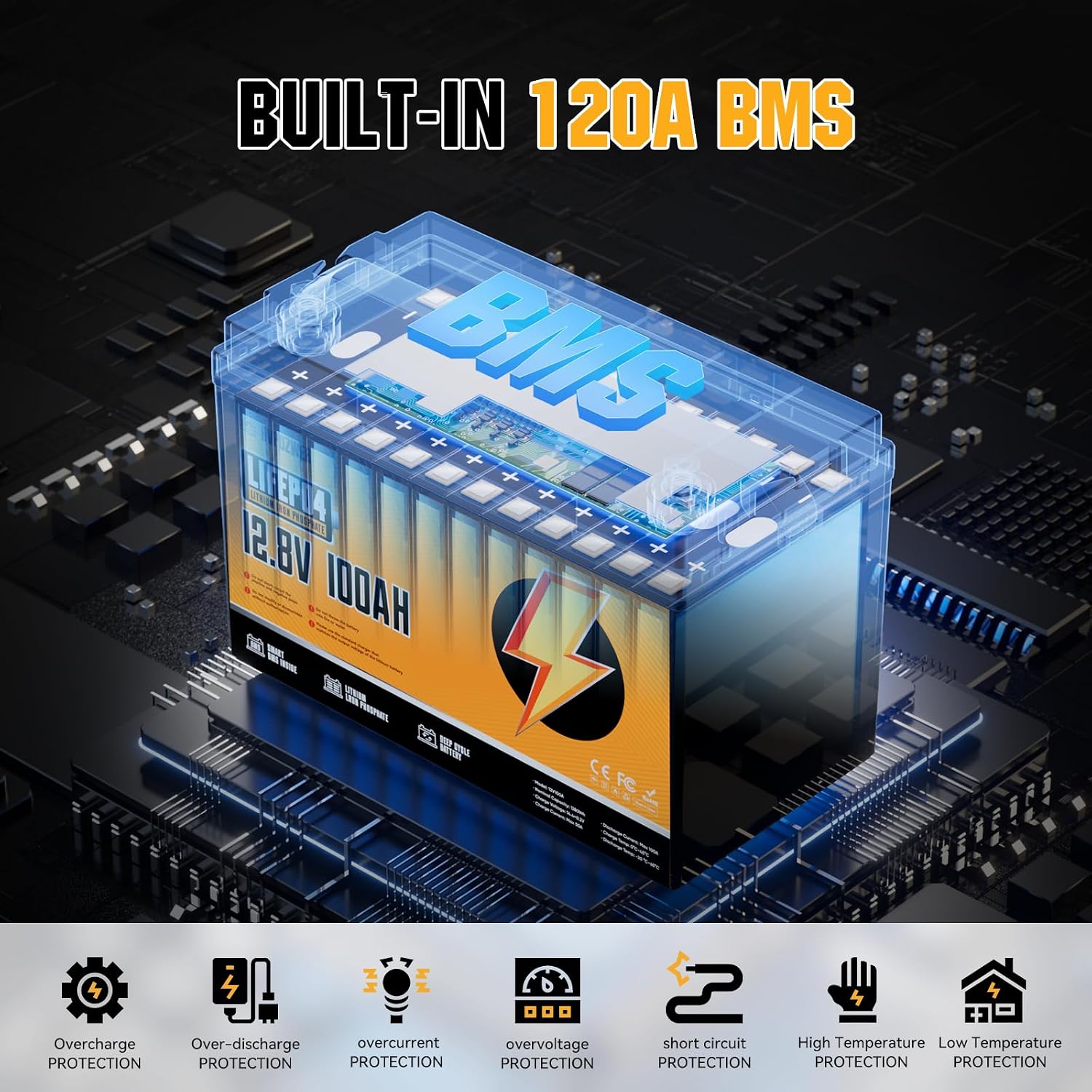
Figure 3: Depicts the integrated 120A BMS and its various protection features.
3. Setup Instructions
Before initial use, ensure the battery is fully charged. The battery is designed for ease of use and installation. It is notably lighter than traditional lead-acid batteries of similar capacity, making handling more convenient.
3.1 Initial Inspection
Upon receiving your battery, inspect the packaging for any signs of damage. The battery is well-packaged with protective foam to prevent damage during transit. Verify that all components are present as listed in the packing slip.
Figure 4: Battery securely packaged for shipping.
3.2 Connecting to a Solar System (Example)
For solar applications, the connection sequence is crucial for proper operation and safety. The general flow is: Solar Panel → Charge Controller → Battery → Inverter → Appliance.
- Prepare Connections: Ensure you have appropriate wiring (e.g., 12-gauge PV wire for solar charge controller to battery connections) and necessary connection crimps for secure terminals.
- Connect Inverter to Battery: Begin by connecting your inverter to the battery terminals. It is recommended to connect the positive terminal first, then the negative terminal. The battery terminals are designed to prevent loss of locking washers.
- Power On Inverter: Once the inverter is securely connected to the battery, you can power it on.
- Connect Charge Controller to Battery: Connect the solar charge controller to the battery. Again, connect the positive terminal first, then the negative. The charge controller should power on and display battery voltage once connected.
- Connect Solar Panel to Charge Controller: Finally, connect your solar panel to the charge controller.
- Connect Appliance to Inverter: Plug your desired appliance (e.g., ice maker) into the inverter.

Figure 5: Example of a solar power setup with the Rvpozwer battery, inverter, and solar panel.
4. Operating Instructions
The Rvpozwer LiFePO4 battery is designed for reliable performance across various demanding applications. Its robust construction allows for consistent power delivery in diverse environments.
4.1 General Use
This battery is suitable for powering RV appliances, trolling motors, solar systems, boats, campers, and off-grid setups. Its wide operating temperature range (-20°C to 65°C) ensures functionality in extreme conditions.

Figure 6: The Rvpozwer battery is versatile for many applications including RVs, marine, and off-grid living.
4.2 Series and Parallel Connections
For increased voltage or capacity, multiple Rvpozwer batteries can be connected. Up to 4 batteries can be connected in series for a maximum of 51.2V, or in parallel for a maximum capacity of 400Ah. Always ensure proper wiring and consult a professional if unsure about complex configurations.

Figure 7: Illustrates how multiple batteries can be connected in series and parallel for expanded power systems.
5. Maintenance
The Rvpozwer LiFePO4 battery requires minimal maintenance due to its robust design and integrated Battery Management System (BMS). The BMS actively monitors and protects the battery from common issues like overcharge, over-discharge, and short circuits, contributing to its long 15-year lifespan.
- Regular Visual Inspection: Periodically check the battery for any physical damage, loose connections, or corrosion on the terminals. Keep the terminals clean and free of debris.
- Charging: Use a standard LiFePO4 compatible charger that matches the output voltage of the battery. Avoid using chargers designed for lead-acid batteries unless explicitly stated as compatible.
- Storage: If storing the battery for an extended period, ensure it is charged to approximately 50% State of Charge (SOC) and stored in a cool, dry place away from direct sunlight and extreme temperatures.
- Temperature: While the battery operates from -20°C to 65°C, prolonged exposure to extreme temperatures (especially high heat) can affect its overall lifespan.
6. Troubleshooting
If you encounter issues with your Rvpozwer LiFePO4 battery, consider the following basic troubleshooting steps:
- Battery Not Charging:
- Verify that the charger is properly connected and functioning.
- Ensure the charger is compatible with LiFePO4 batteries and its voltage output matches the battery's requirements.
- Check all cable connections for tightness and proper polarity (positive to positive, negative to negative).
- No Power Output:
- Confirm that the battery is adequately charged.
- Inspect all connections from the battery to the inverter/load for looseness or damage.
- Check if the inverter or connected appliance has an internal fuse or circuit breaker that may have tripped.
- BMS Protection Activation: The built-in BMS will shut down the battery to protect it from unsafe conditions (e.g., overcharge, over-discharge, over-current, short circuit, extreme temperatures). If the battery suddenly stops working, disconnect the load and charger, wait a few minutes, and then attempt to reconnect. If the issue persists, contact customer support.
For more complex issues or if troubleshooting steps do not resolve the problem, please refer to the Warranty and Support section for assistance.
7. Specifications
| Attribute | Detail |
|---|---|
| Brand | Rvpozwer |
| Model | RV100 |
| Size | 12V100Ah |
| Item Weight | 10.45 Kilograms (23 pounds) |
| Product Dimensions | 6.77"D x 13"W x 8.52"H |
| Number Of Cells | 1 |
| Terminal | 12V100Ah |
| Special Features | Deep cycle battery, LiFePO4 battery, marine battery, solar battery, trolling motor battery |
8. Warranty and Support
The Rvpozwer 12V LiFePO4 battery is backed by an extensive warranty and lifetime technical support. Our dedicated team is committed to providing assistance from purchase through installation and beyond, ensuring a smooth and worry-free power experience.
For warranty claims, technical assistance, or any inquiries, please contact Rvpozwer customer support through the official channels provided at the time of purchase or on the product packaging.