
1. Important Safety Instructions
Read all safety warnings, instructions, illustrations, and specifications provided with this power tool. Failure to follow all instructions listed below may result in electric shock, fire, and/or serious injury.
- Work Area Safety: Keep the work area clean and well-lit. Do not operate power tools in explosive atmospheres, such as in the presence of flammable liquids, gases, or dust.
- Electrical Safety: Power tool plugs must match the outlet. Never modify the plug in any way. Avoid body contact with earthed or grounded surfaces.
- Personal Safety: Always wear eye protection, respiratory protection, and appropriate clothing. Do not overreach. Maintain proper footing and balance at all times.
- Tool Use and Care: Do not force the power tool. Use the correct power tool for your application. Disconnect the plug from the power source before making any adjustments, changing accessories, or storing power tools.
- Specific Sprayer Safety: Ensure proper ventilation when spraying. Do not spray flammable materials near open flames or ignition sources. Always clean the sprayer thoroughly after each use.
2. Product Overview and Package Contents
The VISLONE 300W Electric Paint Sprayer is designed for efficient application of various coatings. Familiarize yourself with its components and ensure all items are present.

Figure 2.1: Overview of the VISLONE 300W Electric Paint Sprayer.
2.1 Package List:
- 1 x Paint Sprayer
- 2 x Battery (1300mAh)
- 1 x Cleaning Brush
- 1 x Cleaning Needle
- 4 x Nozzles (Φ1.0mm, 1.8mm, 2.0mm, 2.5mm)
- 3 x Gasket
- 1 x Viscosity Cup
- 1 x User Manual (this document)
- 1 x Charger
3. Setup and Assembly
3.1 Preparing the Paint
- Ensure the paint or coating material is suitable for spray application.
- Use the provided viscosity cup to check the paint's viscosity. Thin the paint with the appropriate solvent (water for latex, mineral spirits for oil-based) until it passes through the viscosity cup within the recommended time (refer to paint manufacturer's instructions).
- Strain the thinned paint to remove any lumps or debris that could clog the nozzle.
3.2 Assembling the Sprayer
- Attach the paint container (800ml tank) to the sprayer body by screwing it securely.
- Insert a charged battery into the battery slot at the base of the handle until it clicks into place.

Figure 3.1: The 800ml capacity paint tank attached to the sprayer.
3.3 Selecting and Installing Nozzles
The sprayer includes four copper nozzles of different sizes (Φ1.0mm, 1.8mm, 2.0mm, 2.5mm) for various paint types and project requirements.
- Choose the appropriate nozzle size for your paint and desired finish. Generally, smaller nozzles are for thinner materials and finer finishes, while larger nozzles are for thicker materials and faster coverage.
- Unscrew the nozzle cap from the front of the sprayer.
- Insert the selected nozzle and ensure a gasket is properly seated.
- Screw the nozzle cap back on securely.

Figure 3.2: The four interchangeable copper nozzles (1.0mm, 1.8mm, 2.0mm, 2.5mm).
3.4 Adjusting Spray Patterns
The sprayer offers three spray patterns: horizontal, vertical, and circular. Rotate the air cap to select the desired pattern.
- Horizontal: For spraying up and down motions.
- Vertical: For spraying side to side motions.
- Circular: For small areas or detailed work.
4. Operation
4.1 Powering On and Testing
- Ensure the sprayer is fully assembled and the paint tank is filled.
- Point the sprayer at a test surface (e.g., cardboard) and press the trigger to start spraying.
- Adjust the flow control knob on the sprayer to achieve the desired paint output. The flow rate can be adjusted between 500-800ml/min.

Figure 4.1: Adjusting the flow control and selecting spray patterns (circular, horizontal, vertical).
4.2 Spraying Technique
- Maintain a consistent distance (typically 6-12 inches) from the surface being painted.
- Move the sprayer in smooth, even strokes, overlapping each pass by about 50% to ensure uniform coverage.
- Release the trigger at the end of each stroke to avoid paint buildup.
- For best results, apply multiple thin coats rather than one thick coat.
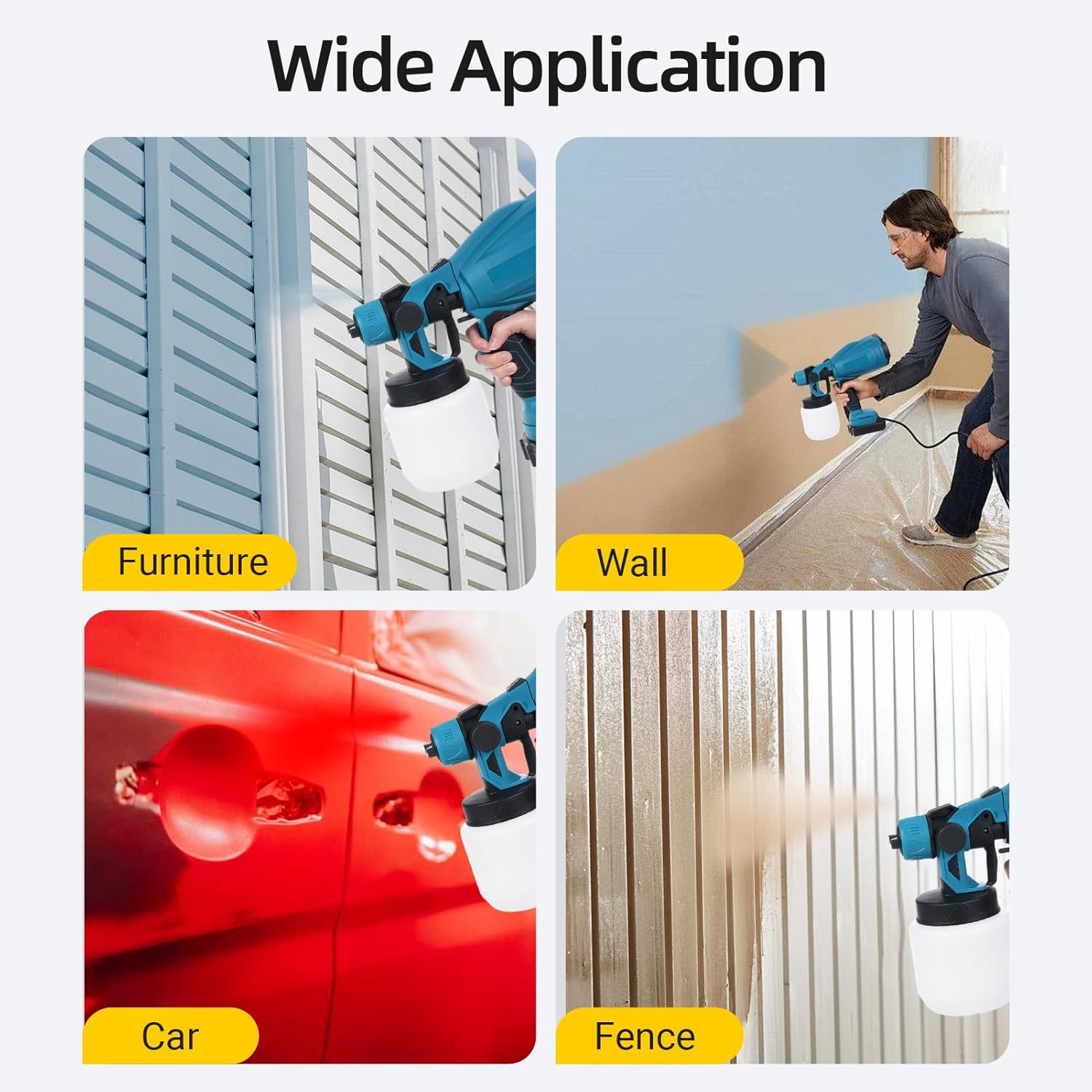
Figure 4.2: Examples of the paint sprayer's application on furniture, walls, cars, and fences.
5. Maintenance and Cleaning
Proper cleaning after each use is essential to ensure the longevity and optimal performance of your paint sprayer.
5.1 Disassembly for Cleaning
- Disconnect the battery from the sprayer.
- Unscrew the paint container and empty any remaining paint.
- Unscrew the nozzle cap and remove the nozzle and gasket.
- The front section of the sprayer can be easily detached from the motor housing for thorough cleaning.

Figure 5.1: The sprayer's design allows for easy disassembly for cleaning.
5.2 Cleaning Procedure
- Fill the paint container with the appropriate cleaning solution (water for water-based paints, solvent for oil-based paints).
- Reattach the container and spray the cleaning solution through the sprayer until it runs clear.
- Thoroughly clean all disassembled parts (nozzle, gasket, container, suction tube) using the provided cleaning brush and needle.
- Wipe down the exterior of the sprayer with a damp cloth.
- Allow all parts to dry completely before reassembly or storage.
5.3 Storage
Store the clean, dry sprayer in a cool, dry place, away from direct sunlight and extreme temperatures. Ensure the battery is removed if storing for extended periods.
6. Troubleshooting
| Problem | Possible Cause | Solution |
|---|---|---|
| No spray or weak spray | Clogged nozzle; paint too thick; low paint level; air leak. | Clean nozzle; thin paint; refill tank; check all connections for tightness. |
| Uneven spray pattern | Incorrect nozzle selection; clogged air cap; inconsistent spraying distance. | Select appropriate nozzle; clean air cap; maintain consistent distance. |
| Paint drips or runs | Too much paint flow; spraying too close; paint too thin. | Reduce flow rate; increase spraying distance; thicken paint slightly. |
| Sprayer not turning on | Battery not charged; battery not properly inserted. | Charge battery; ensure battery is securely inserted. |
7. Specifications
| Feature | Specification |
|---|---|
| Rated Input Power | 300W |
| Container Capacity | 800ml |
| Nozzle Sizes | Φ1.0mm, 1.8mm, 2.0mm, 2.5mm (4 copper nozzles) |
| Motor Speed | 30000rpm/min |
| Spraying Distance | 200-500cm |
| Paint Flow | 500-800ml/min |
| Battery | 2 x 1300mAh (included) |
| Material | PP (Polypropylene) |
| Item Weight | 3.91 pounds |
| Package Dimensions | 10.43 x 7.68 x 6.89 inches |

Figure 7.1: Dimensions of the VISLONE 300W Electric Paint Sprayer.
8. Warranty and Support
For warranty information or technical support, please refer to the contact details provided by your retailer or visit the official VISLONE website. Keep your purchase receipt as proof of purchase.
You can visit the VISLONE Store on Amazon for more information.