
1. Introduction
This manual provides essential instructions for the proper installation, operation, and maintenance of the Generic 402940 Replacement Belt. This belt is designed for various applications, including automotive, industrial, and generator systems. Adhering to these guidelines will help ensure optimal performance and extend the service life of the belt.
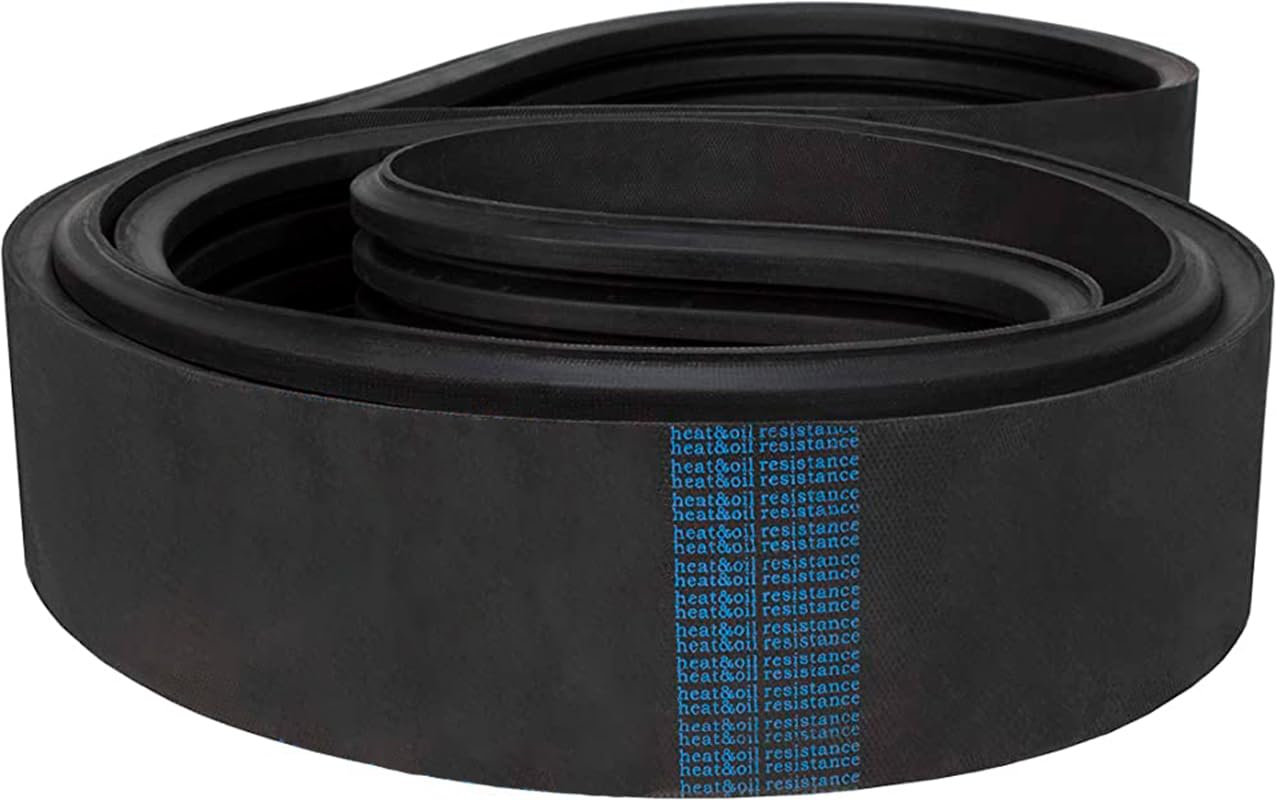
Image 1.1: The Generic 402940 Replacement Belt. This image displays the black, multi-ribbed V-belt coiled, highlighting its construction and the printed text indicating "heat&oil resistance" on its surface. This feature signifies its durability in demanding environments.
2. Setup and Installation
Proper installation is crucial for the performance and longevity of the belt. Always refer to the equipment manufacturer's service manual for specific installation procedures and safety precautions.
- Safety First: Ensure the equipment is powered off and locked out to prevent accidental startup. Allow any hot components to cool down.
- Inspect Pulleys: Examine pulleys for wear, damage, or misalignment. Worn or damaged pulleys can significantly reduce belt life. Ensure they are clean and free of debris.
- Remove Old Belt: Loosen tensioning devices and carefully remove the old belt. Note its routing path for correct installation of the new belt.
- Install New Belt: Place the new 402940 belt onto the pulleys. Do not force the belt onto the pulleys with tools, as this can damage the belt cords. If necessary, adjust the tensioning mechanism to allow the belt to slide on easily.
- Tensioning: Adjust the belt tension according to the equipment manufacturer's specifications. Incorrect tension (too loose or too tight) can lead to premature belt failure, excessive wear on bearings, or reduced power transmission efficiency.
- Alignment: Verify that all pulleys are correctly aligned after installation. Misalignment causes uneven wear and reduces belt life.
- Initial Run-in: After installation, run the equipment for a short period (e.g., 15-30 minutes) and then re-check the belt tension. Belts can stretch slightly during initial operation.
3. Operating Guidelines
Once installed, the 402940 replacement belt operates as part of your equipment's power transmission system. Observe the following general guidelines:
- Regular Inspection: Periodically inspect the belt for signs of wear, cracking, fraying, or glazing. Replace the belt if any significant damage is observed.
- Avoid Overloading: Do not exceed the operational load limits specified by the equipment manufacturer. Overloading can cause excessive heat buildup and premature belt failure.
- Temperature Considerations: This belt is designed with heat and oil resistance. However, prolonged exposure to extreme temperatures outside the equipment's normal operating range can still affect its lifespan.
- Noise Monitoring: Unusual noises (squealing, chirping) during operation may indicate improper tension, misalignment, or a worn belt. Address these issues promptly.
4. Maintenance
Consistent maintenance practices will ensure the longevity and reliability of your 402940 replacement belt.
- Cleanliness: Keep the belt and pulleys free from dirt, grease, oil, and other contaminants. The belt is designed with oil resistance, but excessive contamination can still degrade its material over time.
- Tension Checks: Re-check belt tension at recommended intervals (e.g., monthly or as specified by equipment manual). Adjust as necessary to maintain optimal tension.
- Visual Inspection: Regularly inspect the belt for any signs of wear, such as:
- Cracks or fraying on the belt surface.
- Glazing or hardening of the belt material.
- Uneven wear patterns.
- Separation of plies or bands.
- Storage: If storing a spare belt, keep it in a cool, dry place away from direct sunlight, chemicals, and ozone-generating equipment. Store belts uncoiled or in large loops to prevent kinking.
5. Troubleshooting Common Issues
| Symptom | Possible Cause | Solution |
|---|---|---|
| Squealing or Chirping Noise | Loose tension, worn belt, glazed pulleys, contamination. | Check and adjust tension. Inspect and clean pulleys. Replace belt if worn. |
| Premature Belt Wear | Incorrect tension (too tight/loose), misalignment, worn pulleys, overloading, contamination. | Verify tension and alignment. Inspect and replace worn pulleys. Reduce load if possible. Clean belt and pulleys. |
| Belt Slippage | Loose tension, oil/grease on belt, worn belt/pulleys. | Adjust tension. Clean belt and pulleys. Replace if severely worn. |
| Belt Fraying or Cracking | Age, excessive heat, chemical exposure, incorrect pulley size, improper installation. | Replace belt. Ensure proper operating conditions and installation. |
6. Specifications
- Model: 402940
- Type: Replacement Belt (V-Belt, 5 Band)
- Dimensions: B 21/32 inch x 143 inch OC (Outside Circumference)
- Material Properties: Heat and Oil Resistant
- Applications: Automotive, Industrial, Generator Use
- Manufacturer: Tymoshchuk (Generic Brand)
- ASIN: B0F1G53F4B
7. Warranty Information
For specific warranty details regarding the Generic 402940 Replacement Belt, please refer to the purchase documentation or contact the seller directly. Warranty terms typically cover manufacturing defects for a specified period from the date of purchase.
8. Customer Support
If you encounter issues not covered in this manual or require further assistance, please contact your point of purchase or the manufacturer's customer service department. When contacting support, please have your product model number (402940) and purchase details readily available.